Why Do My Teeth Look Longer?
10 August 2026
One of the things patients say surprisingly often is: “I feel like my teeth are getting longer.” They usually say it with a slightly puzzled expression, because they know teeth do not actually grow. What they are noticing is often gum recession. Sometimes the first sign is increased sensitivity around the gum line. Others become aware that food traps more easily between certain teeth, or that the gum levels no longer look symmetrical when they smile or see themselves in photographs.
Very often, the changes have been developing gradually for many years. Patients simply do not notice them until they reach a point where they become more visible.
One of the biggest misconceptions about receding gums is that they automatically mean severe gum disease. Whilst periodontal disease can certainly contribute, gum recession is often much more complex than patients realise. Some people naturally have thinner gum tissue and more delicate bone anatomy around their teeth. In these patients, relatively small amounts of inflammation, brushing trauma, grinding, orthodontic tooth movement or bite pressure can gradually contribute to recession over time.
In reality, there is often no single cause. More commonly, several smaller factors slowly combine together over many years. This is one reason why two patients with seemingly similar oral hygiene habits can present very differently.
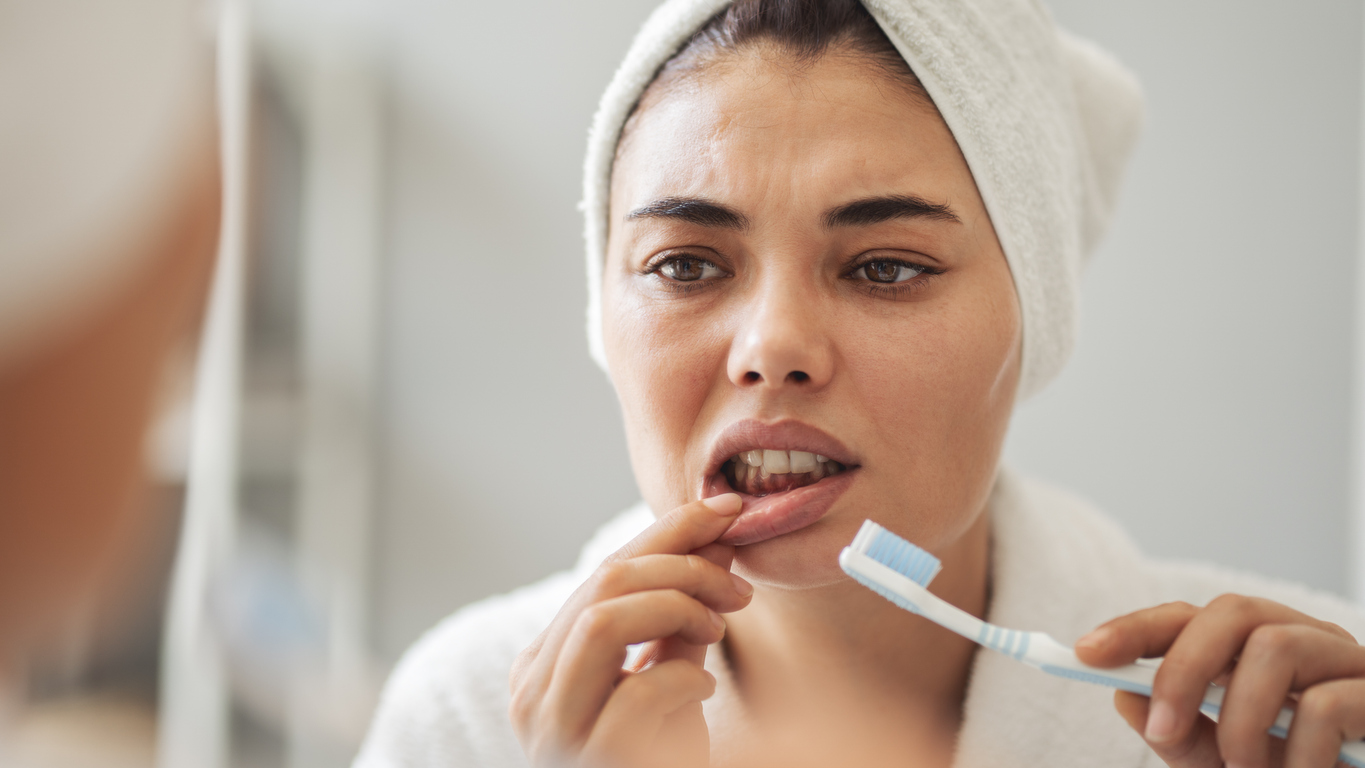
Many patients are surprised to learn that gum recession is often seen in people who take excellent care of their teeth. In practice, some of the patients with the healthiest intentions have simply been brushing with too much force for many years. Brushing harder does not necessarily mean brushing better.
Healthy gums are surprisingly resilient, but repeated trauma to thin tissues over time can contribute to recession and root exposure. This is particularly common around canine teeth and premolars, where the supporting bone is often naturally thinner. The technique, pressure and type of toothbrush used frequently matter more than people expect.
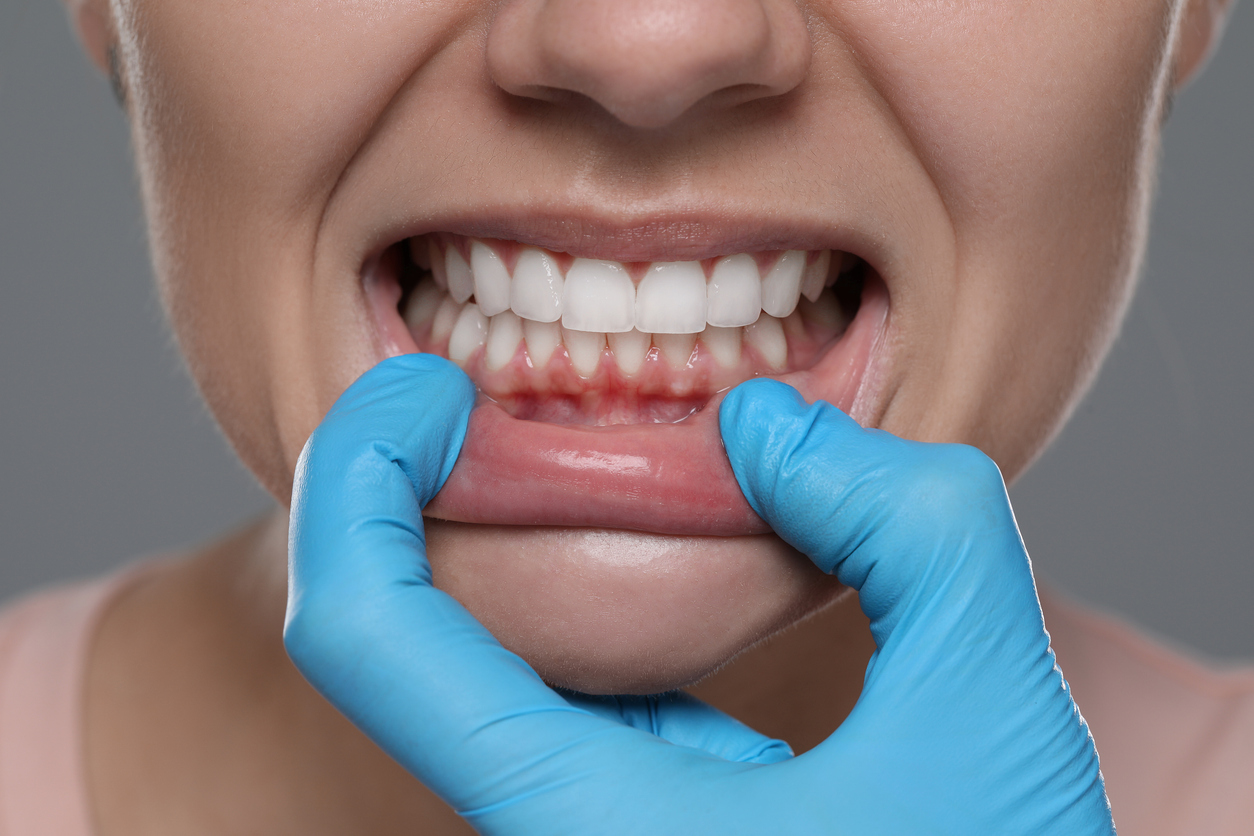
Another factor that often surprises patients is the relationship between gum recession and excessive bite forces. Patients who grind or clench heavily sometimes present with a combination of:
Often, the recession itself is not caused by one isolated problem. Instead, it reflects the cumulative effect of anatomy, pressure, inflammation and time.

Orthodontic treatment can create wonderful improvements in both function and aesthetics. However, teeth that are moved outside their natural bony support may sometimes become more vulnerable to recession, particularly where the gum tissues are already thin. Smoking can also affect the health of the gums in ways that patients do not always appreciate. One of the challenges is that smoking may reduce visible signs of bleeding even when inflammation is present, allowing problems to progress more quietly.
Most importantly, it is essential to determine whether active periodontal disease is present underneath the recession itself. Sometimes recession is largely cosmetic and stable. At other times, it may indicate ongoing inflammation and attachment loss that requires treatment. This is why proper assessment matters.
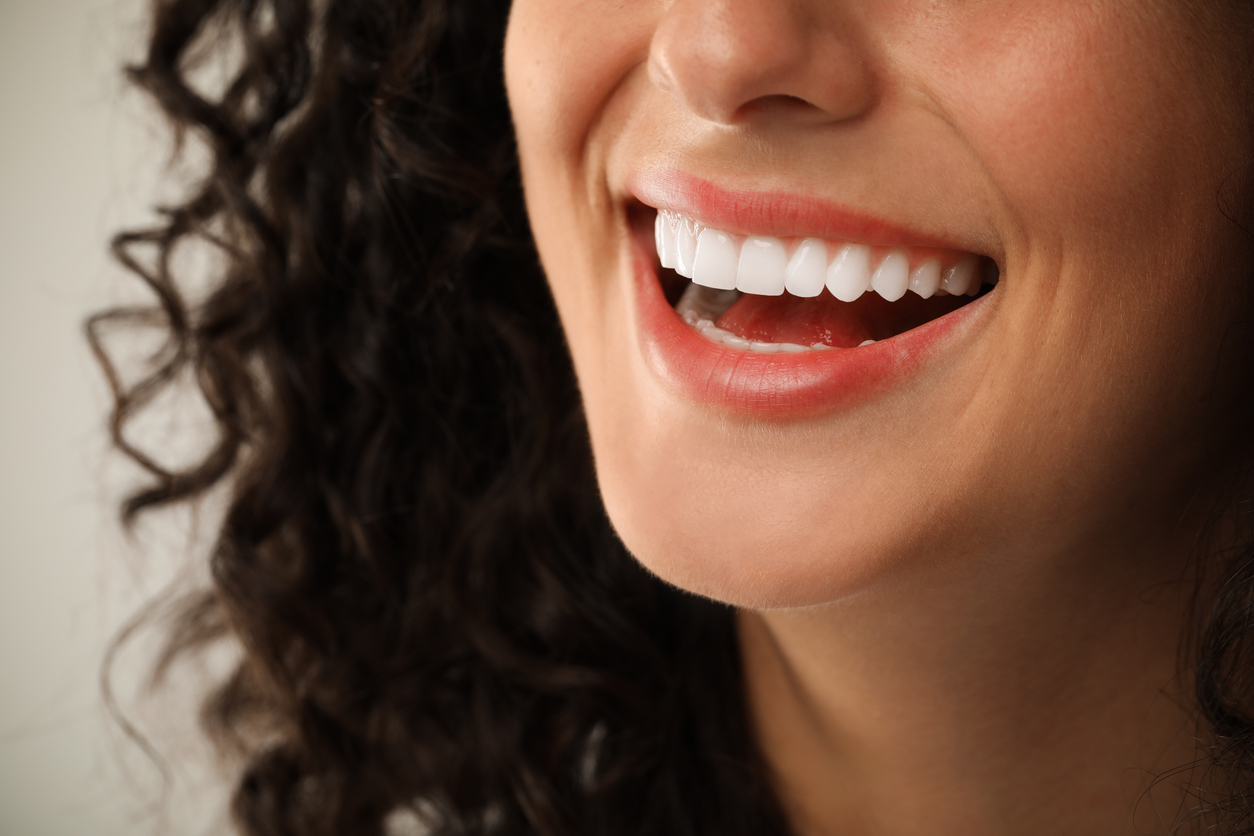
Many patients first seek advice because they are concerned about how their gums look. However, recession can also affect comfort and long-term dental stability. As roots become exposed, sensitivity to cold drinks, brushing and sweet foods often increases. Areas of recession may also become more difficult to clean comfortably.
In more advanced situations, exposed roots may become vulnerable to decay, ongoing inflammation or progressive instability. Patients are often reassured to learn that gum recession does not automatically mean tooth loss. Nevertheless, early diagnosis remains important because treatment is usually more predictable before significant damage occurs.

One of the reasons gum recession requires an individual approach is that the underlying causes vary considerably between patients. For some people, improving oral hygiene technique and reducing brushing trauma may be enough to stabilise the tissues. For others, managing grinding habits and excessive bite forces becomes an important part of treatment.
Where active periodontal disease is present, controlling the inflammation is essential before considering any cosmetic correction. Certain patients may also benefit from soft tissue grafting procedures designed to improve gum thickness, protect exposed roots or improve symmetry in carefully selected areas. The important thing is understanding why the recession developed in the first place rather than simply trying to cover exposed roots.

Patients naturally focus on their teeth. Yet healthy gums play an enormous role in how natural and harmonious a smile appears. Some of the most attractive smiles are not necessarily the whitest or the most perfectly aligned. They are the smiles where the teeth and gums remain balanced, healthy and proportionate together. Patients are often relieved to discover that gum recession does not automatically mean they will lose their teeth. The most important thing is understanding why it has happened.
Because once we understand the cause, we can usually make much better decisions about how to protect the teeth that remain. At Implant & Perio Clinic in Marylebone, near Harley Street, we take a comprehensive approach to assessing gum recession, tooth wear, bite forces and long-term periodontal stability. Where specialist periodontal care is required, patients may be referred internally to our specialist periodontist, Dr Federico Tinti, for further assessment and treatment planning.

Dr Sanaz Tehrani, DDS (Germany), is Principal Dentist and Clinical Director of Implant & Perio Clinic in Marylebone, Central London.
She has a particular interest in prevention, long-term oral health and helping patients understand the small changes that can have a significant impact on their teeth and gums over time.
Implant & Perio Clinic is located on Portland Place, Marylebone, near Harley Street, London W1