Why seek peri-implantitis treatment?
- Early assessment can help control inflammation and reduce the risk of further bone loss.
- Careful implant surface cleaning helps remove bacterial deposits from around the implant while protecting the surrounding tissues.
- Control of inflammation can help reduce bleeding, swelling and tenderness around the implant, as well as unpleasant tastes or odours.
- Bone and tissue preservation aims to protect the remaining supporting tissues and, where possible, maintain the implant.
- Ongoing implant care and maintenance helps monitor the health of the tissues around your implant and reduce the risk of the disease returning.
What are the benefits of peri-implantitis treatment?
Protective
Aims to control inflammation and reduce the risk of further bone loss around the implant.
Tailored
Treatment is tailored to the stage and severity of the condition and may involve non-surgical or surgical care.
Functional
Treatment can reduce inflammation and discomfort and help maintain comfortable function around the implant.
Preventive
Ongoing home care and professional maintenance help protect the health of your implants in the future.
Early-stage care: Peri-implant mucositis treatment
Peri-implant mucositis is inflammation of the gum around a dental implant without the progressive bone loss seen in peri-implantitis. It can cause redness, swelling or bleeding around the implant and can often be successfully treated when identified early.
Treatment focuses on carefully removing plaque and deposits from around the implant and improving cleaning at home. Regular review and professional maintenance are important to help keep the tissues around the implant healthy.
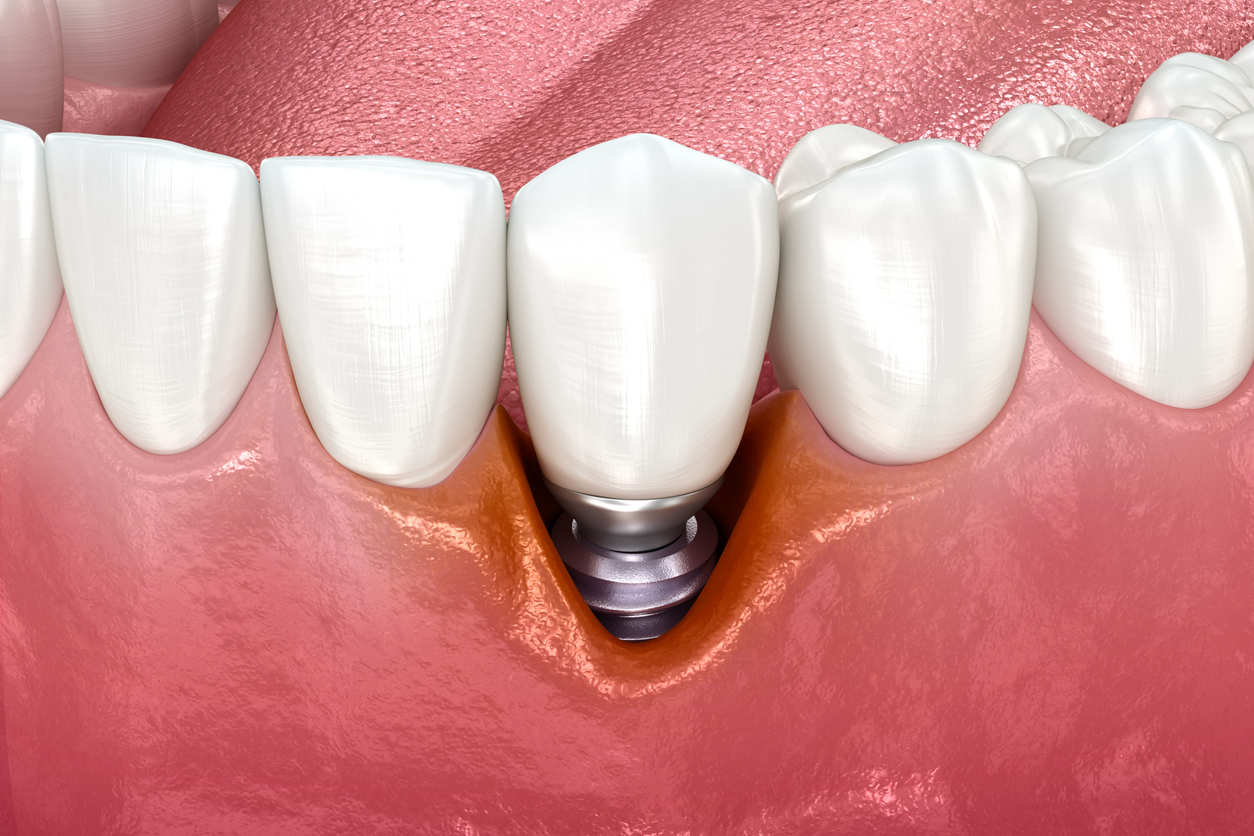
Non-surgical peri-implantitis treatment
Non-surgical treatment aims to reduce inflammation by carefully removing bacterial deposits from around the implant and improving access for effective cleaning.
The area is then reviewed to assess how the tissues have responded. If inflammation and deeper pockets remain, Pedram may recommend surgical treatment to gain better access to the affected implant surface.
Surgical therapy & bone regeneration
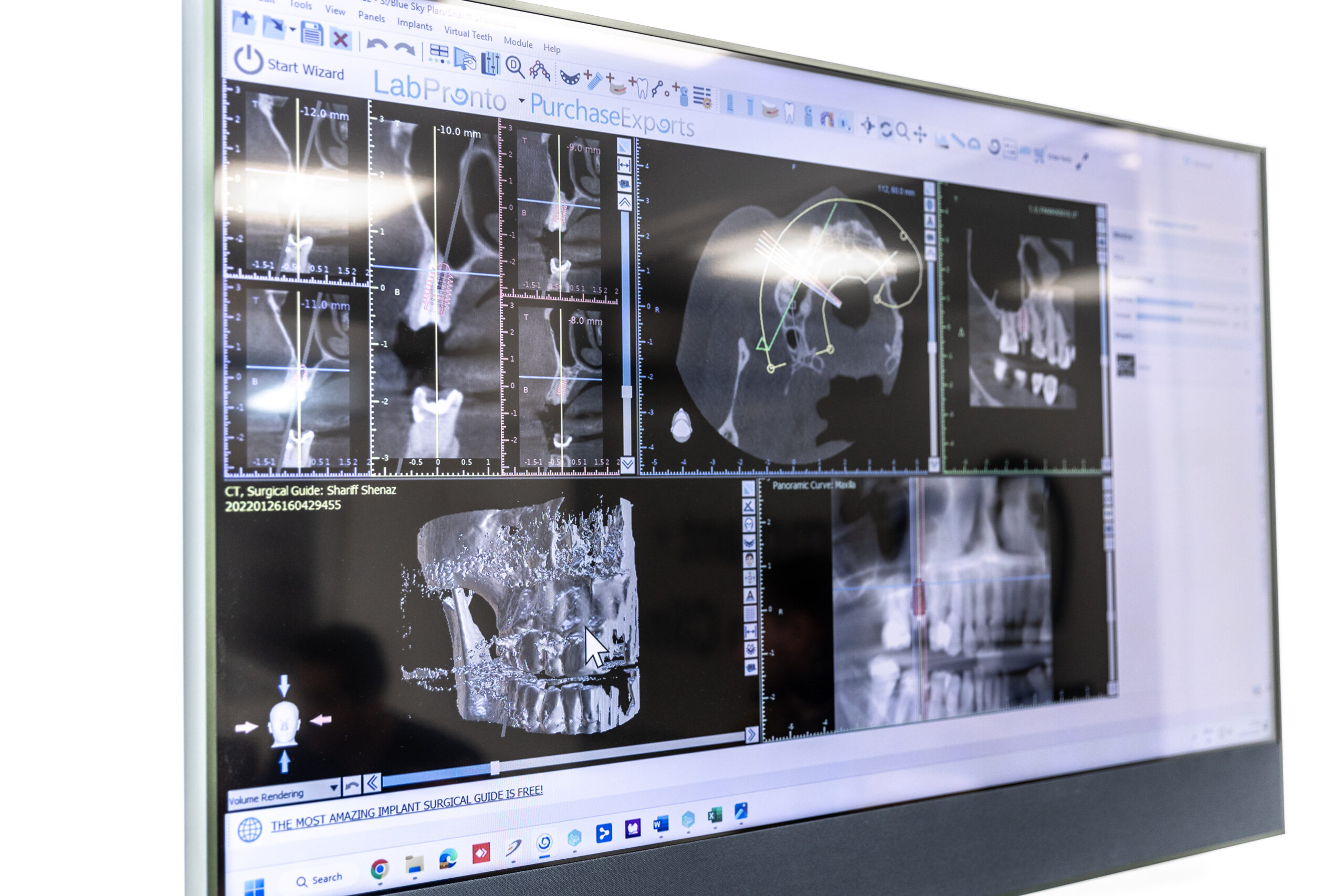
If peri-implantitis is more advanced, or inflammation remains after non-surgical treatment, surgical treatment may be recommended. This allows Pedram direct access to the affected implant surface so that it can be thoroughly cleaned.
Depending on the pattern and extent of bone loss, regenerative treatment using bone grafting materials may be considered in suitable cases. Not every peri-implantitis defect is suitable for regeneration, and Pedram will discuss the most appropriate approach after assessing the implant and surrounding bone.
Frequently Asked Questions
Peri-implantitis is associated with the build-up of bacterial plaque around a dental implant. The risk is higher in some patients, particularly those with a history of periodontitis, poor plaque control or irregular professional maintenance. Smoking and poorly controlled diabetes may also increase risk.
Signs can include bleeding when brushing or cleaning around the implant, redness, swelling, tenderness, an unpleasant taste or discharge from the gum. However, peri-implantitis does not always cause pain, particularly in its earlier stages. In advanced cases an implant may become mobile. If you notice a change around an implant, it is best to have it assessed.
In many cases an implant affected by peri-implantitis can be treated and maintained, particularly when the condition is identified before extensive supporting bone has been lost. Whether an implant can be saved depends on several factors, including the amount and pattern of bone loss, the position and condition of the implant and how it responds to treatment. In some advanced cases, removal of the implant may be the most appropriate option.
Your comfort is considered throughout treatment. Local anaesthetic is used when required, particularly for surgical treatment. If surgery is needed, some tenderness and swelling afterwards are normal and Pedram will give you clear instructions about looking after the area while it heals.
Long-term control depends on good daily cleaning together with regular professional maintenance. We will show you how to clean effectively around your implant and recommend a maintenance schedule based on your individual needs. Regular reviews allow us to monitor the health of the tissues around the implant and identify any changes early.