What We Talk About After the Patient Has Gone Home
24 August 2026
Patients see the consultation. They see the examination, the discussion, the treatment and the follow-up. What they do not always see are the conversations that happen afterwards. Many people understandably imagine that a dental appointment ends when they leave the practice. In reality, some of the most important decisions are often made later. A radiograph may be reviewed again. A CT scan may be examined for a second or third time. Different treatment options may be discussed. A prognosis may be debated. A colleague’s opinion may be sought. Not because we are uncertain. But because we take our responsibility seriously. One of the privileges of working within a multidisciplinary team is that difficult decisions rarely need to be made in isolation.
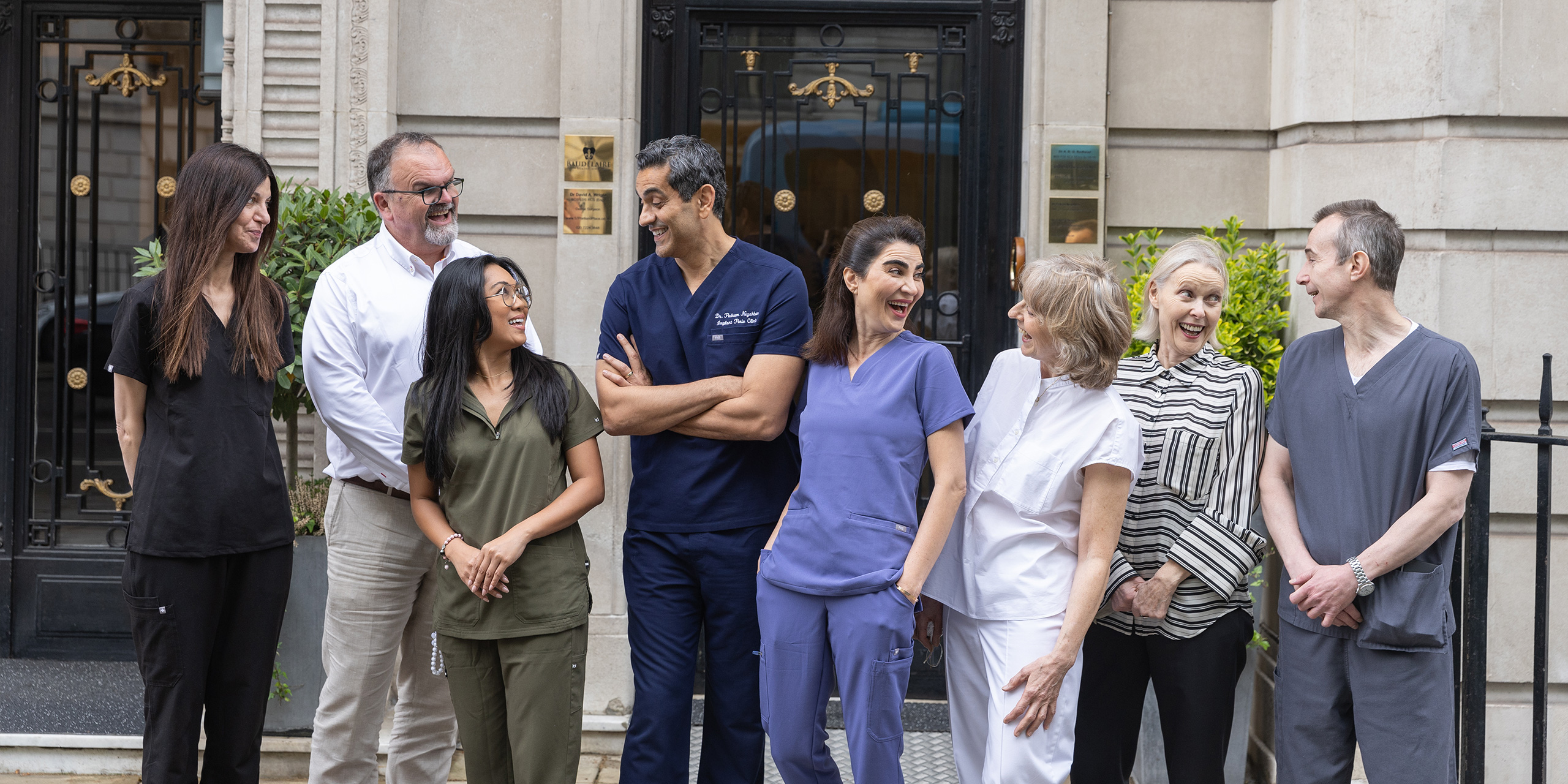
An implant case may lead to a discussion between restorative and surgical colleagues. A periodontal concern may be reviewed from a specialist perspective. A hygienist may identify an early change that deserves closer attention. A nurse may remember a patient’s particular concerns and help us think about how to make future visits more comfortable. Good dentistry is rarely the work of one individual. More often, it is the result of many conversations.
Patients are sometimes surprised by how much time can be spent discussing treatment before treatment begins. Yet those discussions are often where the most important decisions are made. When recommending treatment, we are not only thinking about the next few weeks. We are thinking about the years that follow.
These questions matter. Because dentistry is not simply about solving today’s problem. It is about helping patients make decisions that will serve them well in the future. One of the advantages of experience is learning that there is not always a single correct answer. There may be several reasonable options.

Part of our responsibility is helping patients understand those options and making recommendations based on their individual circumstances, priorities and long-term goals. Sometimes the conversations we have after a patient has left are not about treatment at all. They are about people. A nervous patient who needs reassurance. A patient who has postponed treatment for years.
A patient who needs more time before making a decision. A patient whose concerns may not have been fully expressed during an appointment. These discussions matter. Because dentistry is ultimately about people. The technical side of our profession is important.

So are the relationships. So is trust. Perhaps that is why some of the most important work in dentistry happens when the surgery is quiet. When the last patient has gone home. When the radiographs are reviewed once more. When another opinion is sought. When a treatment plan is reconsidered.
When a team takes a little extra time to ask: “What is genuinely best for this patient?” Patients may never see those conversations. But they are part of almost every decision we make. And we believe they are one of the reasons thoughtful dentistry still matters.
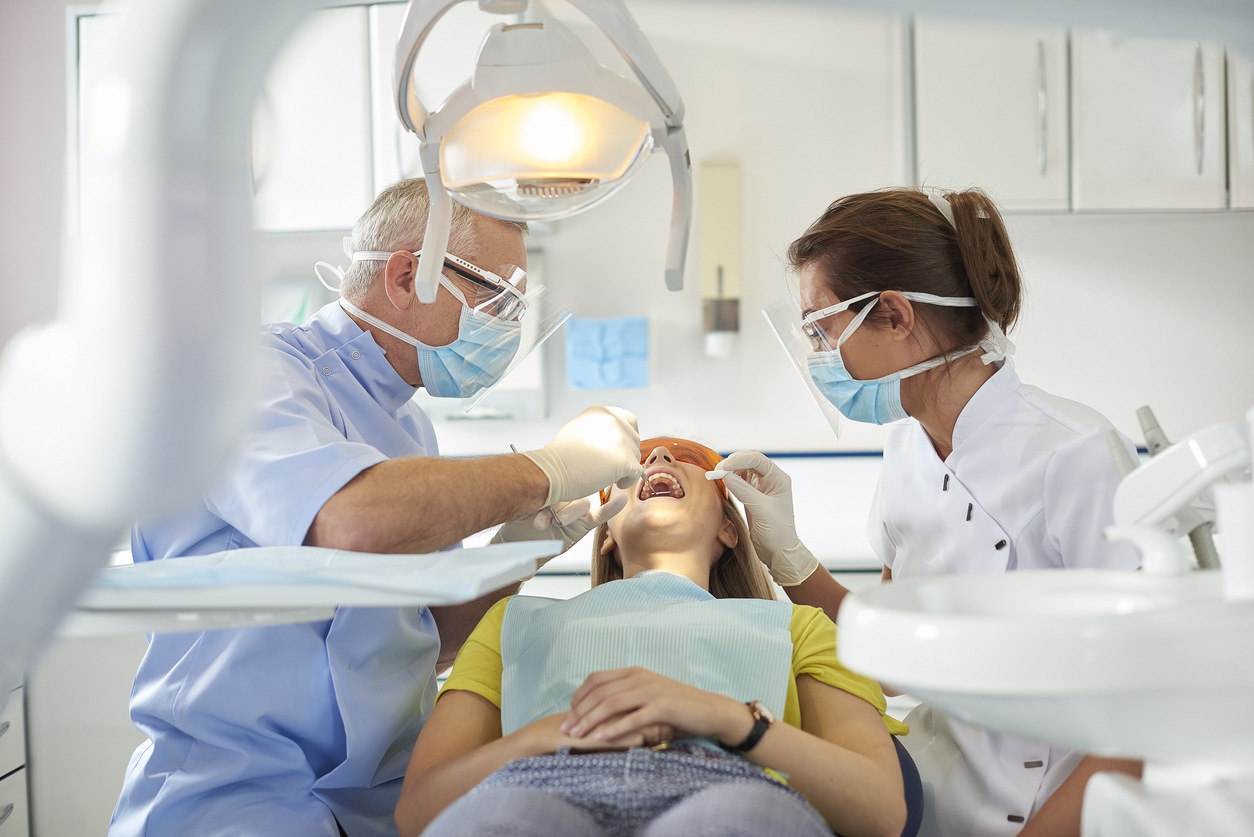
At Implant & Perio Clinic, dentistry is approached as a collaborative effort. Our dentists, specialist periodontist, hygienists, nurses and support team work closely together to provide care that is thoughtful, evidence-based and centred on the long-term wellbeing of our patients.
Implant & Perio Clinic is located on Portland Place, Marylebone, near Harley Street, London W1