I Was Told My Tooth Cannot Be Saved
26 June 2026
Every so often, a patient arrives with a sentence that has been weighing heavily on them.
“I’ve been told this tooth can’t be saved.”
Sometimes they say it with resignation. Sometimes with frustration. And occasionally with a quiet hope that there might still be another option. One of the things I have learned over the years is that those conversations are rarely just about a tooth. They are about uncertainty. About trust. About understanding whether a decision is truly final.
When patients hear that a tooth cannot be saved, it is natural to assume that the situation is straightforward. In reality, dentistry is often more nuanced than that. Two teeth may appear similar on an X-ray yet have very different long-term prognoses. The amount of remaining tooth structure. The condition of the surrounding bone and gums. The position of the tooth. The patient’s bite. Their oral hygiene. Their overall goals.
All of these factors influence whether saving a tooth is realistic and predictable. This is why treatment planning is rarely based on a single finding alone.
Occasionally, patients arrive expecting to discuss extraction and replacement, only to discover that preserving the tooth remains a reasonable option. This does not mean the original diagnosis was wrong. It simply reflects the fact that dentistry often involves judgement as well as science. There are situations where root canal treatment, periodontal treatment, restoration or careful monitoring may allow a tooth to remain healthy and functional for many years.
Sometimes preserving a tooth is entirely realistic. Sometimes it is not. The challenge is knowing the difference.
It is equally important to acknowledge that not every tooth can be saved. Severe fractures. Advanced bone loss. Extensive decay below the gum line. Certain situations where the long-term prognosis is simply too poor. There are occasions when continuing to invest time, treatment and hope into a tooth may not be in the patient’s best interests. Those conversations are never easy. But honesty is an important part of good dentistry.
The goal is not to save every tooth at all costs. The goal is to make decisions that remain sensible years from now.
Many patients feel uncertain when they are told a tooth cannot be saved. That is completely understandable. For most people, losing a tooth is a significant decision. Seeking a second opinion is not about challenging another clinician. It is about gaining clarity. Sometimes the second opinion confirms the original recommendation. Sometimes additional options emerge. Either outcome can be valuable because it allows patients to move forward with greater confidence. Good dentistry should never be afraid of questions.
When I assess a tooth that has been described as hopeless, I find myself returning to a simple question:
“If this were my tooth, what would I do?”
Not what is possible. Not what is technically achievable. But what is genuinely sensible. Sometimes that means fighting hard to preserve a natural tooth. Sometimes it means accepting that replacement is the healthier and more predictable long-term solution. Both decisions can be the right decision. The important thing is understanding why.
One of the reasons these conversations can feel so emotional is that patients often focus on the tooth itself. As dentists, we have to think about the bigger picture. Comfort. Function. Long-term stability. Gum health. Maintenance. Quality of life. The goal is not simply to save a tooth. The goal is to help patients make the best long-term decision for their overall oral health. At Implant & Perio Clinic in Marylebone, near Harley Street, treatment planning begins with careful assessment, discussion and understanding what is realistically achievable. Sometimes a tooth can be saved. Sometimes it cannot. But whatever the outcome, patients deserve to understand the reasoning behind the recommendation and feel confident that the decision has been made with their long-term interests at heart.
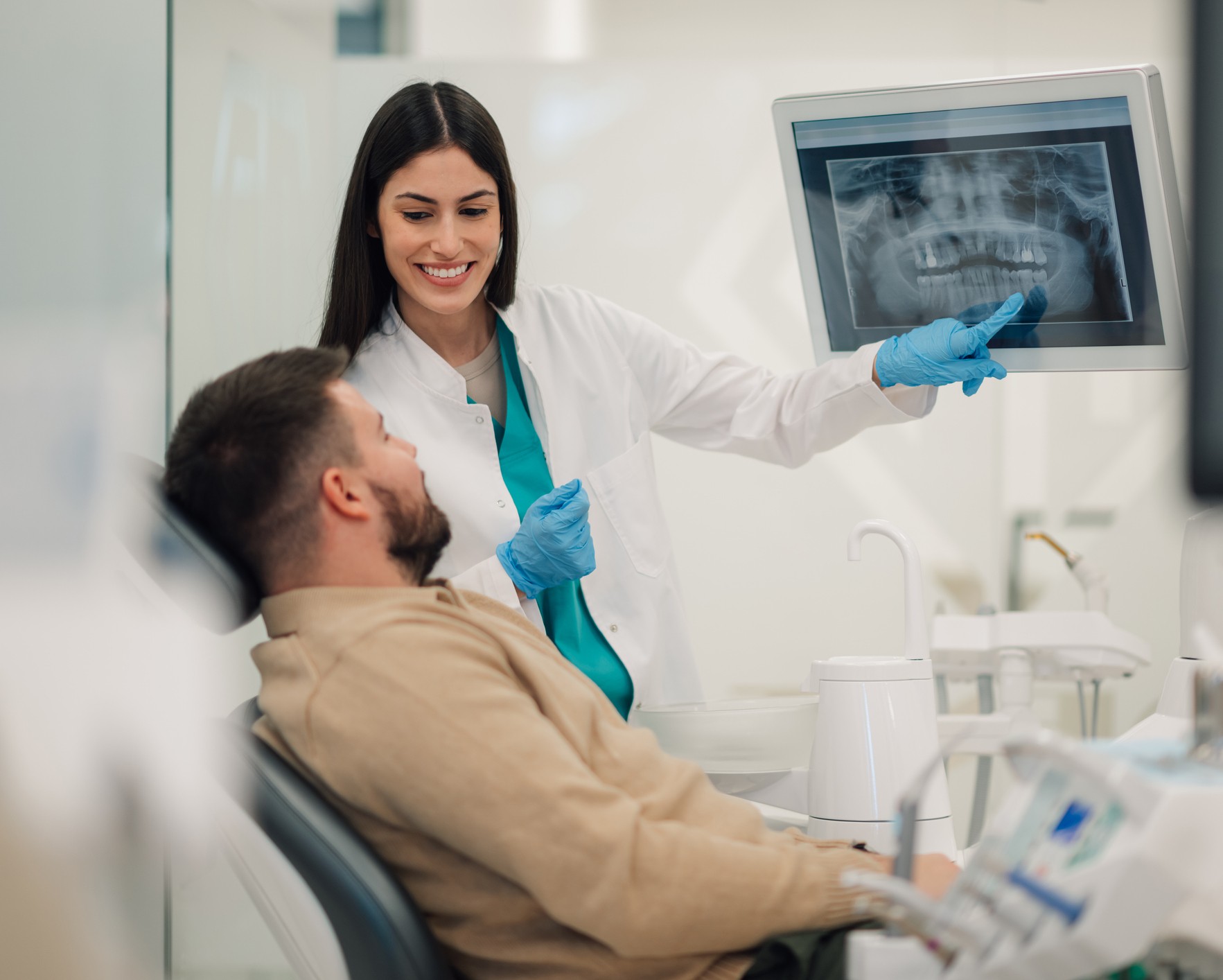
Dr Pedram Negahban, DDS (Germany), is Clinical Director of Implant & Perio Clinic in Marylebone, Central London.
Much of his work involves helping patients make difficult decisions about teeth that may have an uncertain future. He believes that the best treatment plans are rarely driven by what is possible, but by what is most likely to benefit the patient in the long term.
Implant & Perio Clinic is located on Portland Place, Marylebone, near Harley Street, London W1.