Why Is My Dental Implant Bleeding?
17 November 2026
Understanding Bleeding Around Implants and Why It Should Not Be Ignored
One of the most common things patients tell me is: “My implant doesn’t hurt, but it bleeds when I brush.” They are often reassured by the fact that there is no pain. In many cases, they assume everything must be fine. Unfortunately, that is not always the case. Bleeding around a dental implant is often one of the earliest signs that the surrounding tissues are inflamed. Whilst the cause is not always serious, persistent or recurrent bleeding should never simply be ignored.
In much the same way that healthy gums around natural teeth should not bleed regularly, the tissues surrounding implants should remain stable and healthy. Occasional irritation can happen. Food may become trapped. Cleaning may have been more difficult than usual for a short period of time. However, ongoing bleeding is usually a sign that the tissues are inflamed.
Patients are often surprised by this because implants themselves cannot decay. What many people do not realise is that the gums and bone supporting an implant can still become diseased. This is where conditions such as peri-implant mucositis and peri-implantitis become important.
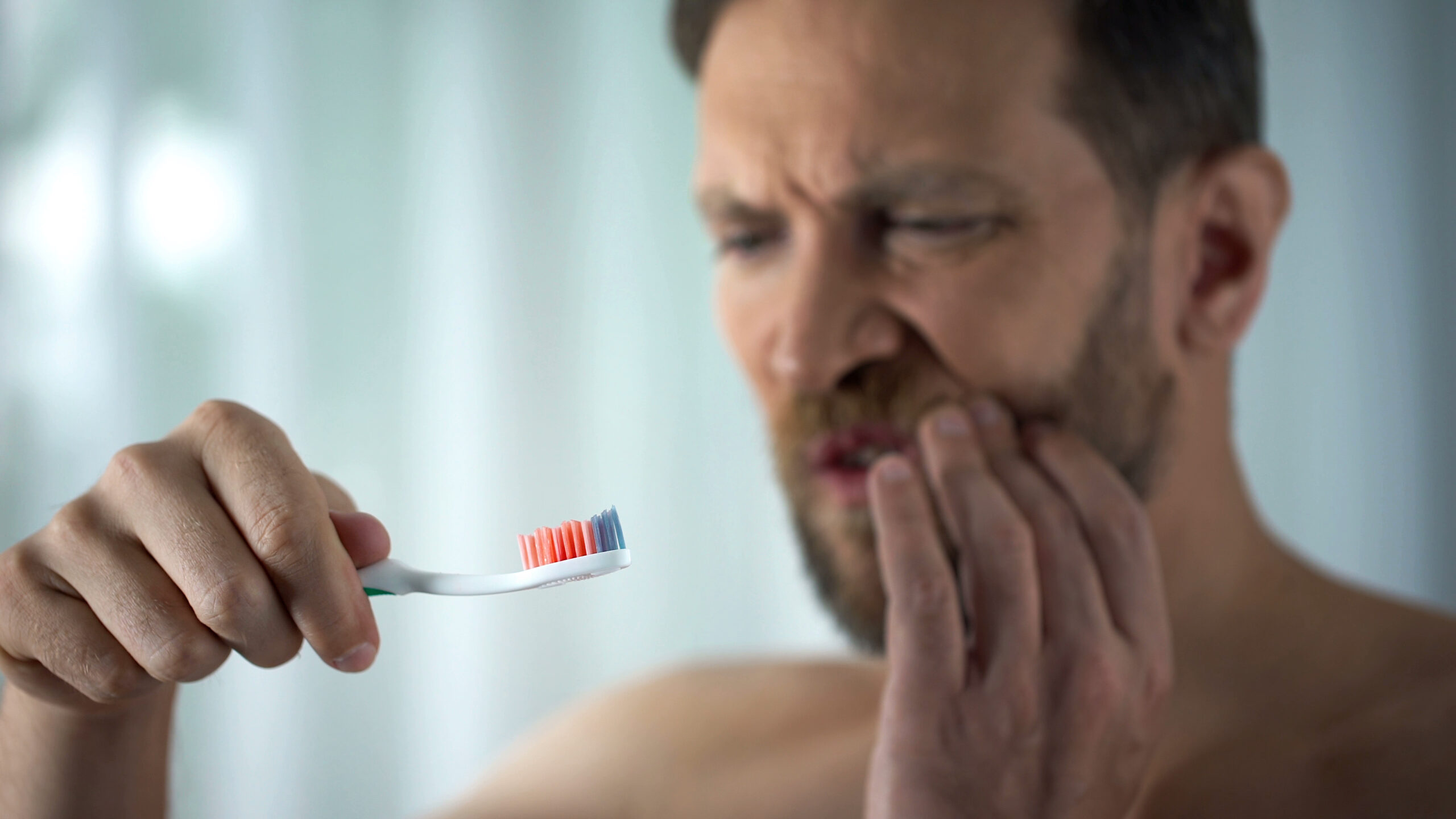
One of the challenges with implant disease is that it frequently develops quietly. Unlike toothache, there may be very little discomfort in the early stages. The first signs are often surprisingly subtle:
Many patients delay seeking advice because the implant still feels perfectly comfortable. Yet inflammation does not always announce itself dramatically. And if left unmanaged, it can eventually contribute to bone loss around the implant.
There is rarely a single explanation. Most commonly, inflammation develops because plaque and bacteria accumulate around the implant over time, particularly in areas that are difficult to clean effectively. Sometimes the shape of the crown or restoration makes certain areas more challenging to access.
In other situations, factors such as grinding, smoking, bite overload, excess cement, previous periodontal disease or restorative design may contribute.
Patients who have previously lost teeth because of gum disease are often at greater risk of developing peri-implant problems later on. This is one reason why long-term maintenance is such an important part of implant dentistry.
One of the biggest misconceptions surrounding implants is the belief that they are maintenance free. In reality, successful implant treatment continues long after the implant has integrated. Professional hygiene appointments.
Regular reviews. Radiographs where appropriate. Early identification of inflammation. These all play an important role in protecting implants over the long term. The surgery may be completed in a day. The maintenance continues for years.
When inflammation is identified early, treatment is usually simpler and considerably more predictable. Peri-implant mucositis, which affects the soft tissues around the implant, can often improve with professional cleaning, improved plaque control and management of contributing factors. Once bone loss develops around an implant, however, treatment becomes significantly more complex.
This is why persistent bleeding should never be dismissed as normal. Many patients only seek advice once the implant becomes uncomfortable or mobile. By then, the disease process may already be advanced.
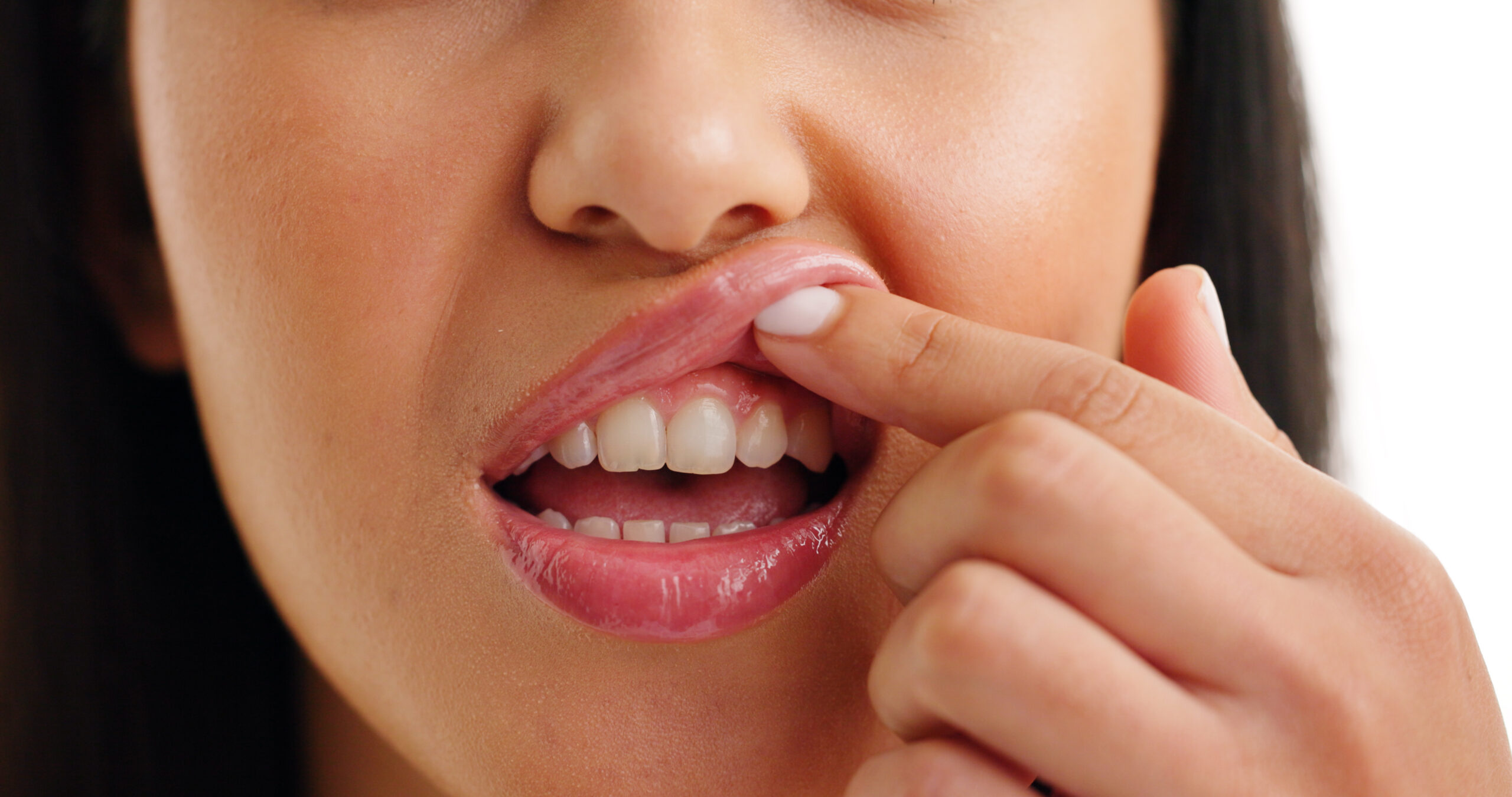
Fortunately, bleeding around an implant does not automatically mean the implant is failing. In many cases, early inflammation can be stabilised successfully when identified promptly and managed appropriately. The important thing is recognising that bleeding is a sign worth investigating rather than ignoring.
One of the challenges with implants is that they often remain comfortable even when inflammation has already started. That is both their strength and occasionally their weakness.
Which is why bleeding should never simply be dismissed as unimportant. Sometimes it is the earliest opportunity we have to protect an implant before more significant problems develop.
At Implant & Perio Clinic in Marylebone, near Harley Street, patients are regularly seen for the assessment and management of bleeding implants, peri-implant mucositis, peri-implantitis and other implant-related concerns. The earlier inflammation is identified, the greater the opportunity to protect the implant and maintain long-term stability.
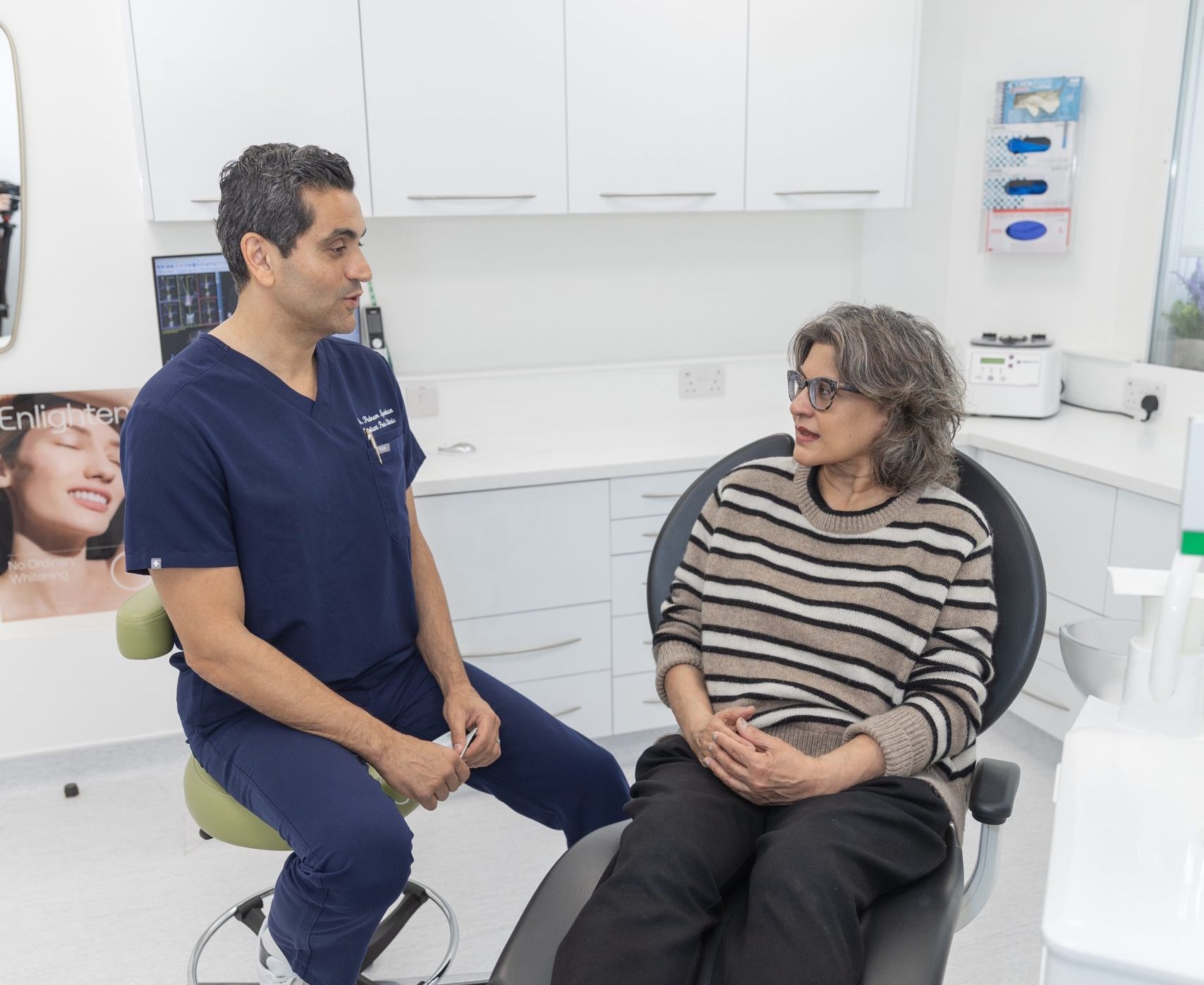
Dr Pedram Negahban, DDS (Germany), is Clinical Director of Implant & Perio Clinic in Marylebone, Central London.
He has a particular interest in long-term implant health and believes that successful implant dentistry depends as much on maintenance and prevention as it does on the treatment itself
Implant & Perio Clinic is located on Portland Place, Marylebone, near Harley Street, London W1