Why I Sometimes Ask Patients to Go Home and Think About It
6 July 2026
Patients are occasionally surprised when I advise them not to make a decision immediately. After all, they have often taken time to attend a consultation, discuss treatment options and ask questions. Some arrive expecting to leave with a firm plan. Others are ready to proceed before the conversation has even begun. Yet there are times when my advice is unexpectedly simple:
“Go home and think about it.”
Not because I am uncertain. Not because treatment is unnecessary. But because some decisions deserve time.
Many of the patients I see are considering treatment that may affect them for years, sometimes decades. Dental implants. Complex restorative treatment. Full-mouth rehabilitation. Solutions that can significantly improve comfort, function and quality of life. These are important decisions. And important decisions should never feel rushed. One of the things I have learned over the years is that patients rarely regret taking time to think. What they are more likely to regret is making a decision they did not fully understand. That is why I encourage questions. Sometimes many questions.
Patients occasionally apologise for asking the same thing more than once. They should not. Understanding matters. Informed patients make better decisions. Some patients need a single conversation. Others need several. Some want to discuss treatment with a partner, family member or close friend. Others simply need time to reflect. All of those responses are entirely reasonable.
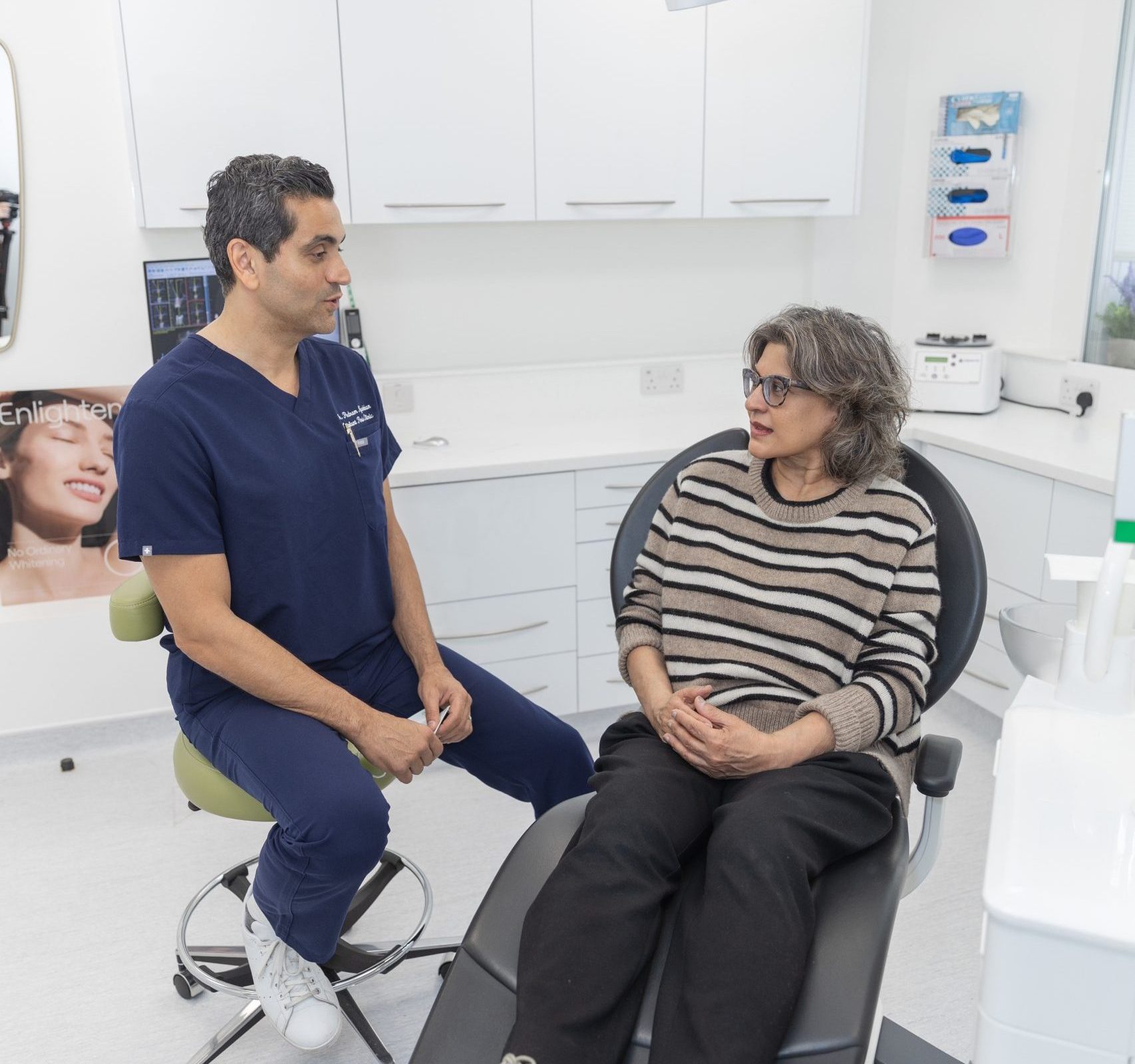
The best treatment plan in the world is of little value if a patient does not feel comfortable with it. One of the responsibilities I take most seriously is helping patients understand not only what can be done, but also what happens if they decide not to proceed. What are the alternatives? What are the risks? What are the benefits? What are the limitations? Good treatment planning is not about presenting a single solution. It is about helping patients understand their options. That process cannot always be completed in one appointment.
Patients sometimes assume that confidence means making a quick decision. In reality, confidence often comes from having enough information to make a thoughtful one. The conversations that matter most are not always about implants, scans or technical details. They are often about expectations. Concerns. Priorities. And understanding what success would look like from the patient’s perspective. No two people define success in exactly the same way. That is why listening remains such an important part of dentistry.

Modern implant dentistry has given us remarkable tools. Digital planning. Advanced imaging. Predictable outcomes. Yet none of these replace the importance of communication. The most successful treatments are not simply those that are performed well. They are the ones that patients feel comfortable choosing. Perhaps that is why I occasionally end a consultation with advice that sounds surprisingly simple. Take your time. Think about it. Write down your questions. Come back and ask more.
The right decision should not only make clinical sense. It should feel right for the person making it.

Dr Pedram Negahban DDS (Germany), DipImpDent RCS (Eng.), AssocFCGDent, is Clinical Director of Implant & Perio Clinic in Marylebone, Central London.
Much of his work involves helping patients make important decisions about their oral health. He believes those decisions should never feel rushed.
Implant & Perio Clinic is located on Portland Place, Marylebone, near Harley Street, London W1