Why Do I Wake Up with Headaches and Jaw Tension?
30 June 2026
Waking up with a headache and a tight, aching jaw is one of the most common signs of night time teeth grinding or clenching, known as bruxism. Here is what causes it, what it does to your teeth and gums over time, and what can be done about it.
One of the things we are seeing increasingly often in practice is the long-term effect of grinding and clenching on otherwise healthy teeth. Many patients come to us because of headaches, jaw tension, sensitive teeth or discomfort around the temples. Others arrive because a filling has fractured, a crown has chipped, or a tooth suddenly feels different. What often surprises them is that all of these symptoms may have the same underlying cause. Teeth grinding and jaw clenching. Very often, it is happening without them even realising it.
One of the reasons bruxism can be so destructive is that it rarely announces itself dramatically. Unlike toothache, it often develops quietly. Patients adapt to the tension. They become accustomed to waking with headaches. They accept jaw discomfort as normal. Sometimes they only discover the problem when a tooth fractures or a restoration fails. By that stage, the effects may already have been developing for many years.
Increasingly, we are seeing signs of grinding and clenching in younger patients as well. Stress undoubtedly plays a role, but so do many aspects of modern life. Long hours at screens, poor posture, interrupted sleep and the constant pace of everyday life can all contribute to increased muscle activity and jaw tension.
The forces generated by the jaw muscles can be remarkable. In some cases, they are significantly greater than those used during normal chewing. Enamel is the strongest substance in the human body, yet even enamel can gradually wear down under constant pressure over time. The signs vary from patient to patient. Some develop fine cracks in otherwise healthy teeth. Others repeatedly chip bonding, crowns or porcelain restorations. Fillings fracture. Teeth become sensitive. In more advanced cases, teeth can gradually shorten as the biting surfaces wear away.
Grinding and clenching can also place significant strain on implants and restorative dental work. Patients are often surprised to learn that the forces involved can affect not only natural teeth, but also crowns, veneers, implants and bridges.

Many patients expect severe pain if something is wrong. Bruxism does not always work that way. The first signs are often relatively minor. Headaches on waking. Tightness around the temples. Jaw muscle fatigue. Clicking joints. Neck tension. A feeling that the face is working harder than it should. Some patients describe waking up feeling as though they have been clenching throughout the night. Others only become aware of it when a partner notices the grinding sounds while they are asleep.
Treatment depends entirely on the individual. Not every patient requires extensive intervention. Sometimes the first step is simply recognising what is happening. Becoming aware of daytime clenching habits, improving posture, reducing unnecessary strain on the jaw muscles and improving sleep quality can already make a meaningful difference for some people. For patients who grind more heavily during sleep, a professionally made night guard often plays an important protective role.
Unlike over-the-counter appliances, custom-made splints are designed specifically around the patient’s bite and can help protect both natural teeth and existing dental work from excessive forces. This becomes particularly important for patients who have invested in crowns, veneers, bonding, implants or orthodontic treatment.
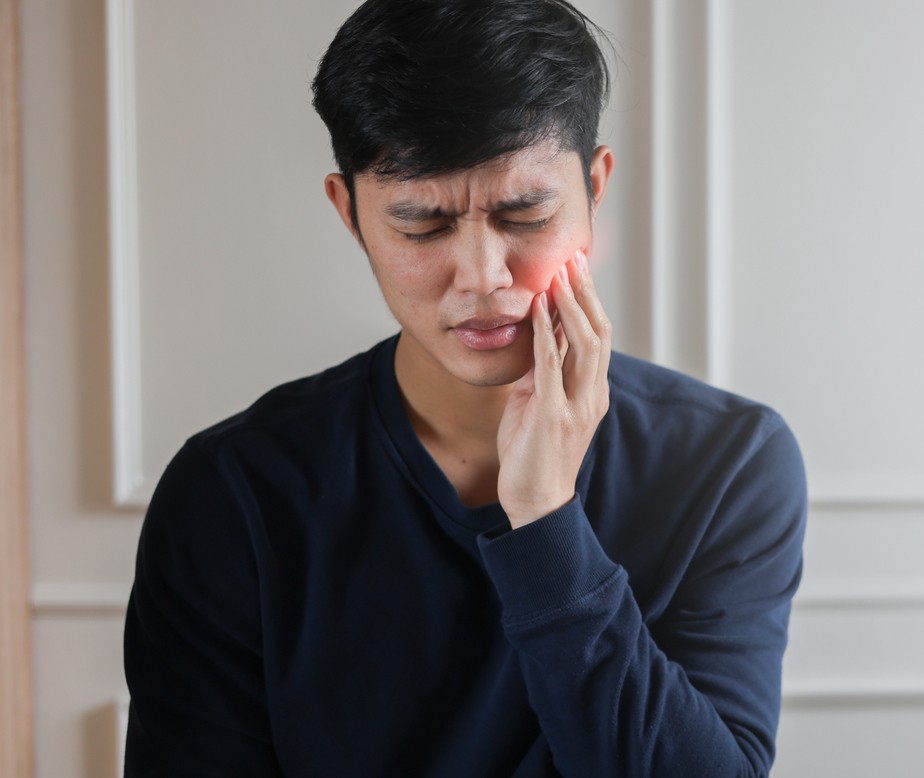
In some patients, years of clenching lead to enlarged and overactive jaw muscles. The masseter muscles at the angles of the jaw are often involved, but the temporalis muscles around the temples frequently contribute as well. This helps explain why some patients experience temple headaches, facial fatigue and a feeling of constant muscular tension. In carefully selected cases, botulinum toxin treatment to the masseter muscles may help reduce the intensity of clenching forces and allow the muscles to relax. Patients often report improvements in headaches, jaw tension and pressure-related discomfort. As always, however, treatment should be tailored to the individual rather than following a one-size-fits-all approach.

One of the most important things about bruxism is recognising it before significant damage occurs. Grinding and clenching are often dismissed as “just stress”, yet over many years they can affect the teeth, muscles, jaw joints and dental work in surprisingly significant ways. The earlier the problem is identified, the more conservatively it can usually be managed. One of the most rewarding moments is when a patient realises that the headaches, jaw tension or repeated breakages they have been living with for years are not simply something they have to accept.
Sometimes understanding the cause is the first step towards protecting the teeth they already have. At Implant & Perio Clinic in Marylebone, near Harley Street, we take a comprehensive approach to assessing tooth wear, grinding patterns, jaw tension and TMJ-related symptoms, helping patients understand not only what is happening, but how to protect their oral health in the years ahead.

Dr Sanaz Tehrani, DDS (Germany), is Principal Dentist and Clinical Director of Implant & Perio Clinic in Marylebone, Central London.
She has a particular interest in recognising the early signs of tooth wear and helping patients protect their natural teeth from the long-term effects of grinding and clenching.
Implant & Perio Clinic is located on Portland Place, Marylebone, near Harley Street, London W1