Why Dentistry Should Age With the Patient
7 September 2026
One of the most interesting things about modern dentistry is that patients are no longer simply asking for healthy teeth. More and more, they are looking for a certain feeling — a fresher smile, a softer appearance, a version of themselves that feels healthier, less tired, or simply more confident. And in many ways, that is entirely understandable.
A smile is deeply personal. It affects confidence, photographs, conversations, relationships, and often how we feel about ageing itself. But after years in practice, one thing becomes very clear: the dentistry that suits somebody at 25 is not necessarily the dentistry that will suit them at 55, 65, or 75. Good dentistry should evolve with the patient, not work against them.
There is a lovely German expression: Schönheit liegt im Auge des Betrachters – beauty lies in the eye of the beholder. That feels particularly true in aesthetic dentistry. There is no universal “perfect smile.” Some patients love bright, very polished Hollywood-style teeth. Others want dentistry that nobody notices at all. Most people sit somewhere in between. None of these preferences are wrong. They are personal.
In recent years, social media has undoubtedly influenced the way many people view cosmetic dentistry. Very white, extremely uniform smiles are often associated with youth and beauty. Some public figures carry this look beautifully. In other cases, dentistry can begin to dominate the face rather than complement it. Interestingly, many of the most elegant smiles are not necessarily the whitest or most “perfect.” Often, they retain softness, texture, small asymmetries, or natural character that make them believable and timeless. In practice, the most sophisticated cosmetic dentistry is often the least obvious.
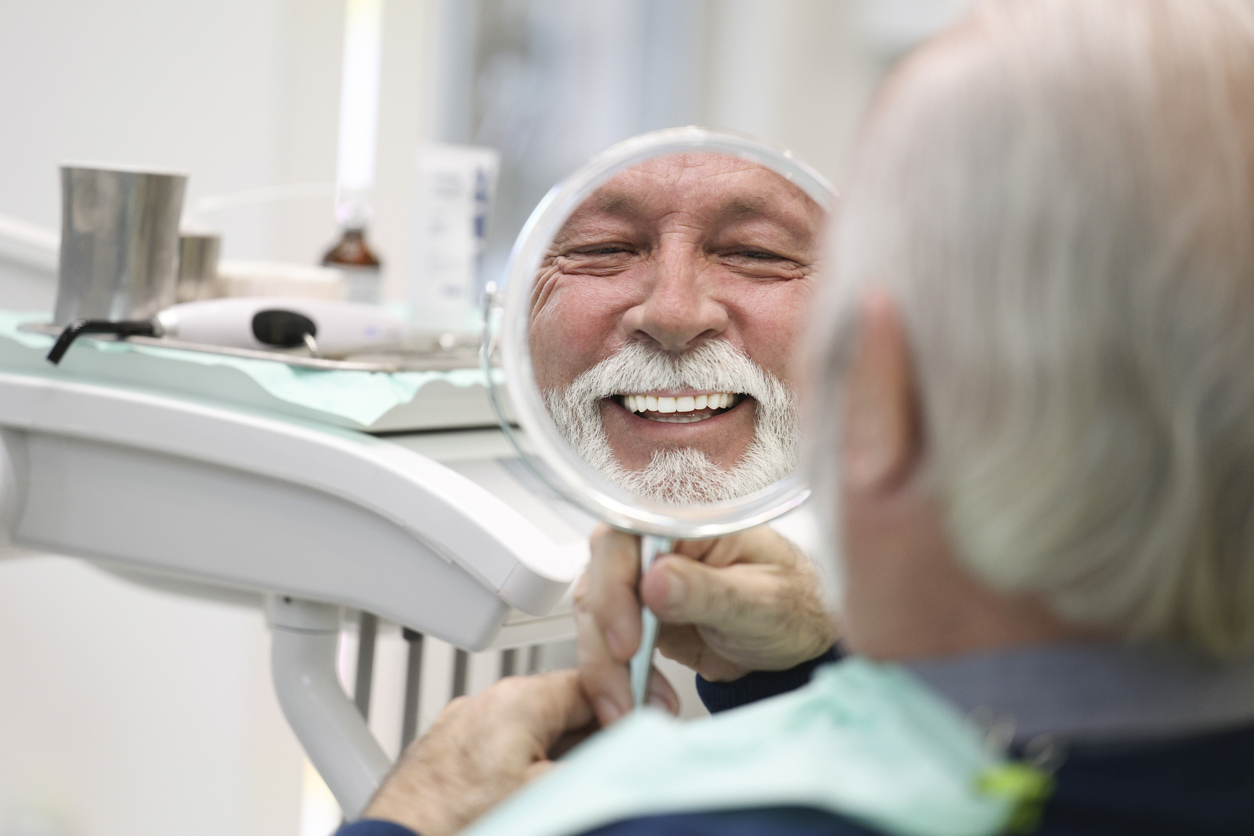
As dentists, we also have to think beyond appearance alone. Teeth and faces change with time. Gum levels alter. Bone support changes. Lips lose volume and support. Bite forces evolve over decades, particularly in patients who clench or grind their teeth. Dentistry that looked ideal twenty years ago may no longer feel harmonious later in life. This is one reason why experience often brings more restraint.
Not every patient benefits from ultra-white veneers. Not every smile should be widened dramatically. Sometimes subtle refinements, replacing old dentistry carefully, improving gum health, or simply restoring balance creates a far more elegant result than aggressive cosmetic treatment. Many patients are surprised when we recommend less treatment than they expected. But knowing when not to intervene is just as important as knowing how to intervene.
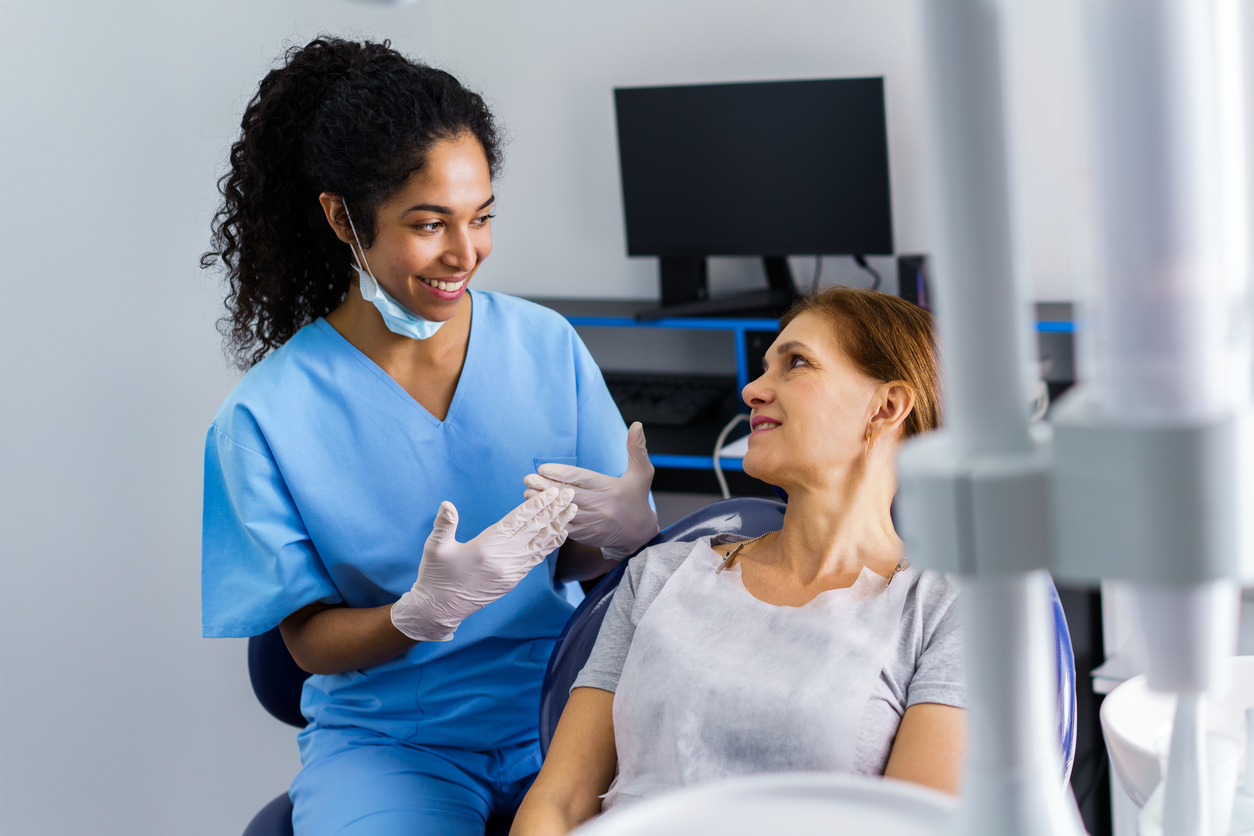
There is also an emotional side to cosmetic dentistry that is rarely spoken about openly. Some patients genuinely want to refresh their appearance. Others are responding to ageing, loss of confidence, divorce, illness, grief, or simply years of neglecting themselves while caring for everyone else first. Dentistry can absolutely improve confidence and quality of life, but it should never erase individuality. The goal should not be to make every patient look the same.
At Implant & Perio Clinic in Marylebone, near Harley Street, we often discuss aesthetics in terms of balance rather than perfection. We look at facial proportions, personality, age, lip movement, gum architecture, and the overall harmony of the smile within the face. Sometimes the most beautiful result is not the brightest or straightest one , but the one that still feels authentically you. Perhaps that is what timeless dentistry really is: not chasing trends, but creating work that still feels natural many years later.
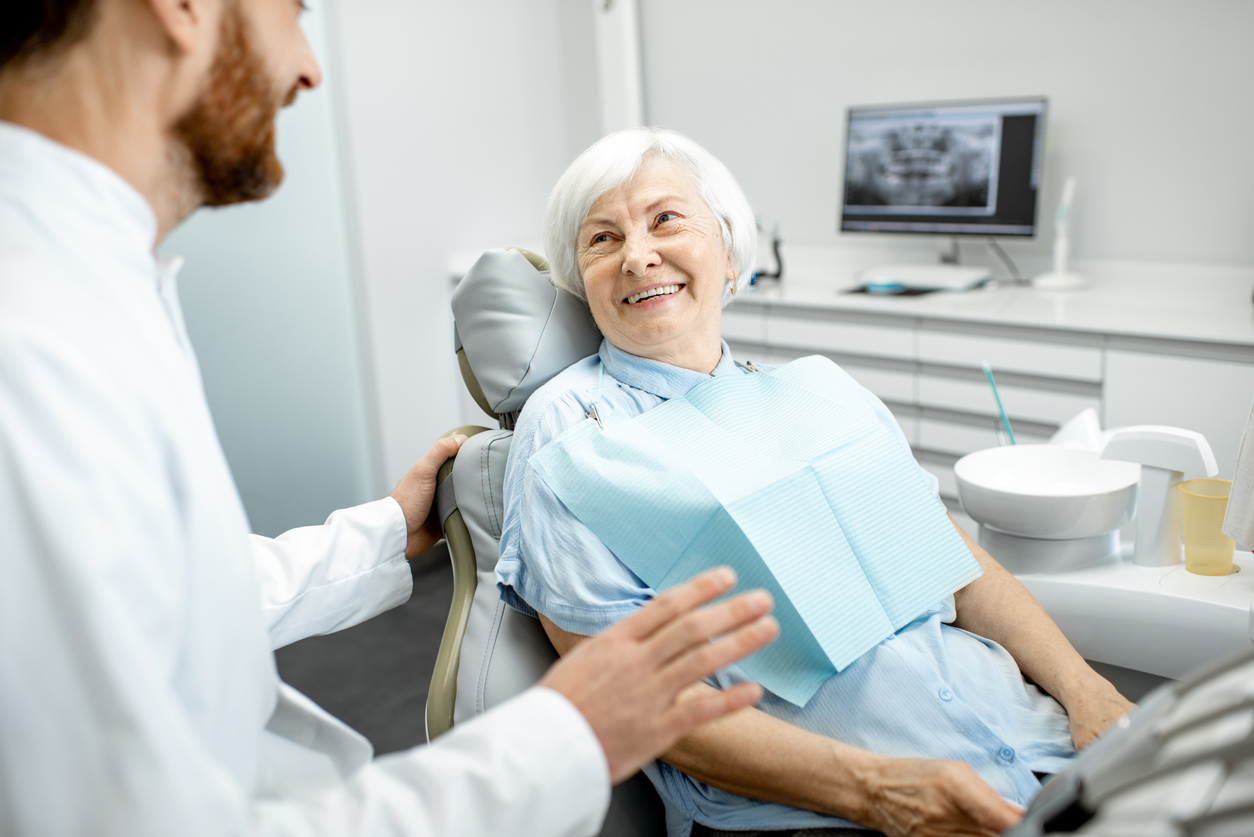
Implant & Perio Clinic is located on Portland Place, Marylebone, near Harley Street, London W1