When Doing Less Is Better Dentistry
20 July 2026
One of the hardest things for a dentist to learn is when not to treat. That may sound surprising. After all, patients come to us looking for solutions. They expect us to identify problems and recommend treatment.
And often that is exactly what we do. But over the years, I have come to believe that some of the best decisions in dentistry involve restraint.
Modern dentistry can achieve remarkable things. We can replace missing teeth with dental implants. We can rebuild worn teeth. We can restore damaged smiles. We can use advanced imaging and digital planning to diagnose problems with an accuracy that previous generations of dentists could only have imagined. These advances have transformed patient care. Yet one principle remains unchanged. Just because we can do something does not always mean we should.
Patients are sometimes surprised when I recommend monitoring rather than treatment. A crack that does not currently require intervention. An old crown that is still functioning well. A tooth that can be maintained rather than replaced. A situation where the best option is simply to review things again in six months. Some assume that this means nothing is being done. In reality, careful observation is often an active clinical decision.

Every treatment has benefits. Every treatment also has consequences. A tooth prepared for a crown can never be returned to its original state. Healthy enamel, once removed, cannot be replaced. A tooth extracted cannot be put back. That is why preserving healthy tissue and natural teeth whenever possible remains one of the most important principles in dentistry. As an implant dentist, I find this particularly important.
Patients are often surprised to hear that I do not spend my days looking for reasons to place implants. In fact, many of my discussions with patients involve the opposite question: Can we keep this tooth? Sometimes the answer is yes. Sometimes it is no. Sometimes the answer is not yet. Those distinctions matter. Dental implants are an excellent solution when they are needed. But a healthy natural tooth will always be difficult to improve upon. That is why careful diagnosis and treatment planning remain so important.
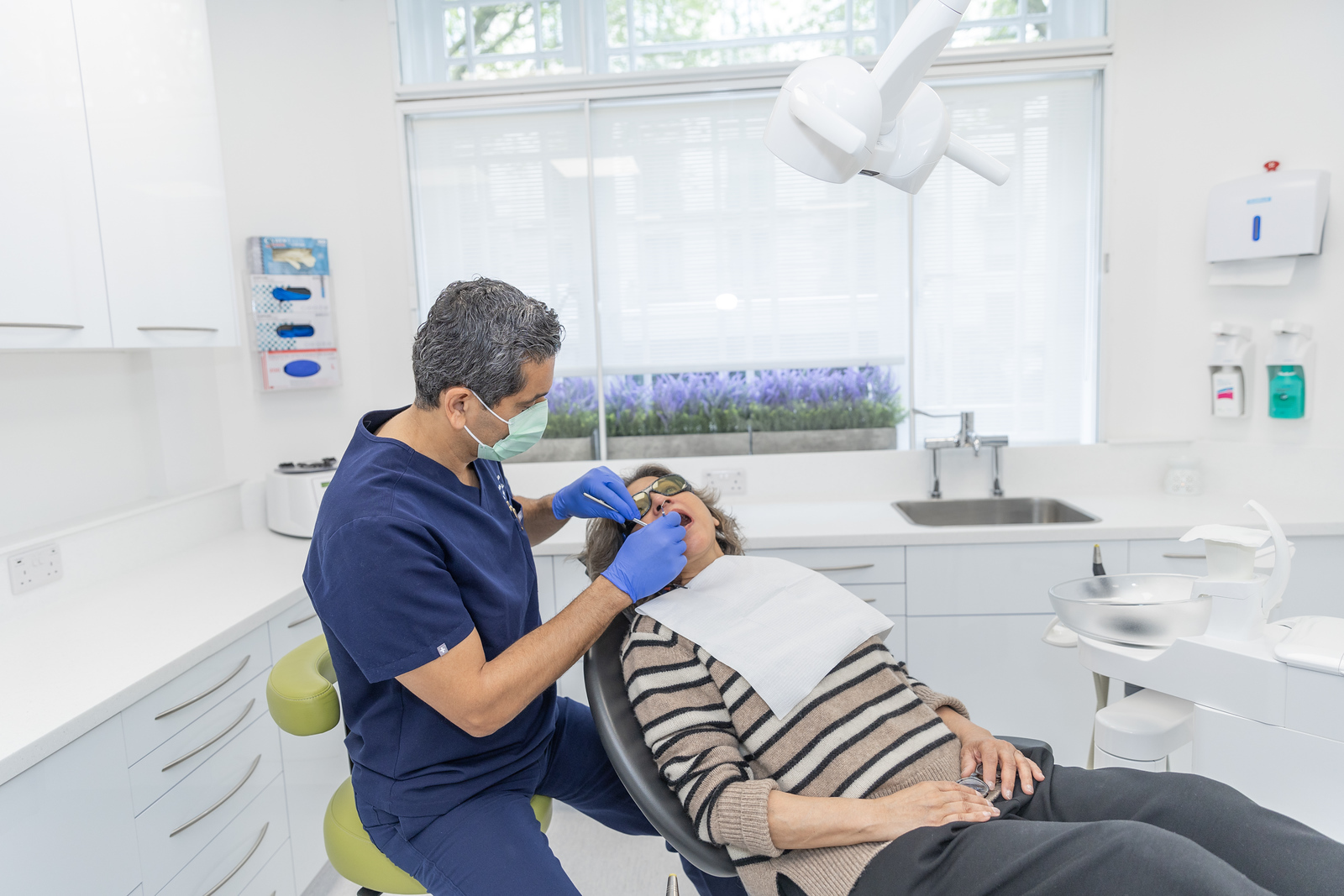
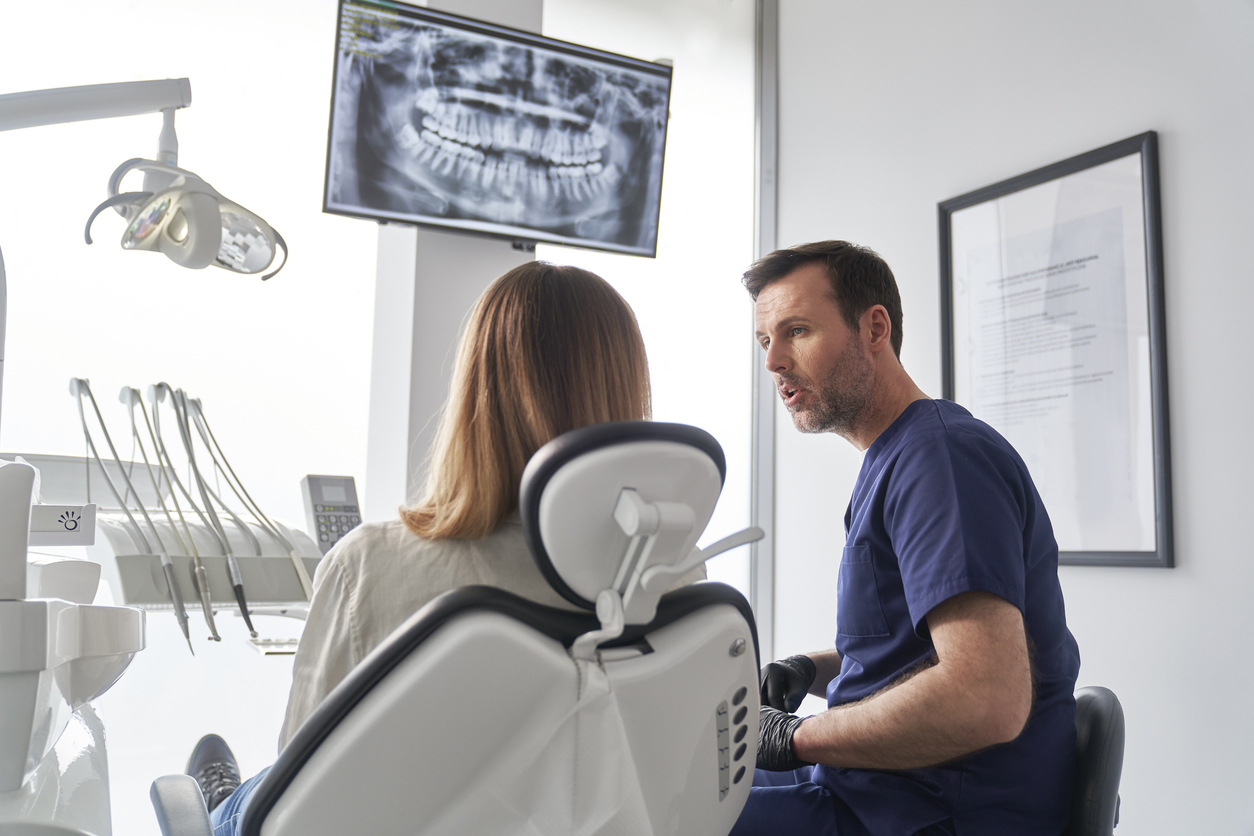
Many of the conversations I have with patients are not about treatment itself. They are about timing. Is intervention necessary now? Would monitoring be more appropriate? Are there alternative options? What happens if we wait? These questions deserve thoughtful answers. Patients should never feel rushed into decisions that may affect them for many years. One of the most valuable phrases in dentistry is:
“Let’s review it in six months.”
Not because we are avoiding a decision. But because experience teaches us that not every situation needs an immediate solution.

Some conditions remain stable for years. Some become clearer with time. Some reveal that treatment is needed after all. The key is knowing the difference. That judgement comes not only from clinical knowledge, but from experience, patience and understanding the individual patient sitting in front of you. Perhaps that is one reason I continue to enjoy dentistry after all these years.
The most satisfying treatment plans are not always the most complex. They are the ones that genuinely serve the patient’s best interests. Sometimes that means treatment. Sometimes it means less treatment. And occasionally, it means no treatment at all. Good dentistry is not about doing more. It is about doing what is appropriate.
Dr Pedram Negahban DDS (Germany), DipImpDent RCS (Eng.), AssocFCGDent, is Clinical Director of Implant & Perio Clinic in Marylebone, Central London.
Much of his work involves helping patients rebuild smiles and restore missing teeth, but he remains just as passionate about preserving healthy natural teeth whenever possible.
Implant & Perio Clinic is located on Portland Place, Marylebone, near Harley Street, London W1