What Matters to You?
10 July 2026
One of the first things we often ask patients is surprisingly simple:
“What would you like to change?”
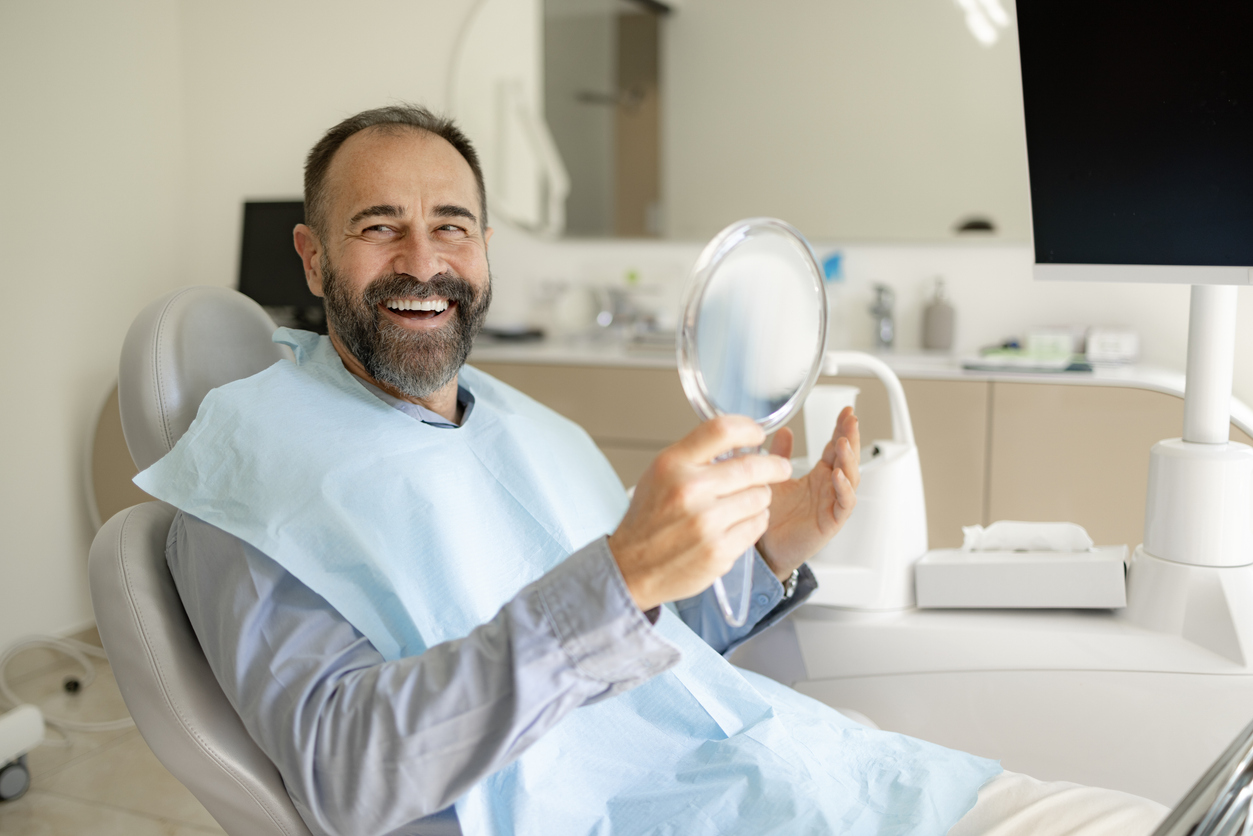
We then hand them a mirror and listen.
That question may sound straightforward, but over the years we have come to believe it is one of the most important parts of any consultation.
As dentists, we are trained to notice things. We see wear, crowding, recession, old fillings, missing teeth and subtle changes that many patients would never notice themselves. But our role is not simply to tell patients what we see. It is to understand what they see. Sometimes the two are exactly the same. Sometimes they are completely different. A patient may be concerned about a small gap between their teeth that nobody else would ever notice. Another patient may have significant wear, damage or disease that concerns us far more than it concerns them. Neither perspective is wrong. The important thing is understanding what matters to the person sitting in front of us.
Every patient arrives with their own experiences, priorities and expectations. Some want to improve the appearance of their smile. Some want to eat comfortably again. Some are worried about a tooth that has been troubling them for years. Some simply want reassurance that everything is healthy. And some are perfectly happy with their smile exactly as it is. All of those patients deserve to be heard.

Over the years, we have become increasingly cautious about assuming that our priorities should automatically become a patient’s priorities. Modern dentistry can achieve remarkable things. We can replace missing teeth. We can straighten teeth. We can rebuild worn teeth. We can transform smiles. But not every possibility needs to become a recommendation. Just because something can be changed does not always mean it should be.
One of the things we try hard to avoid is creating concerns that were never there in the first place. Patients place an enormous amount of trust in healthcare professionals. That trust should be respected. Our responsibility is to explain what we see, discuss the options available and help patients make informed decisions. Not to persuade them that they need treatment they never wanted. Patients are sometimes surprised when we recommend monitoring rather than treatment. Or when we tell them that a particular imperfection is entirely normal. Or when we explain that the best option may simply be to leave something alone. Those conversations are every bit as important as treatment itself. Because good dentistry is not about finding more to do. It is about understanding what is genuinely beneficial for the patient.
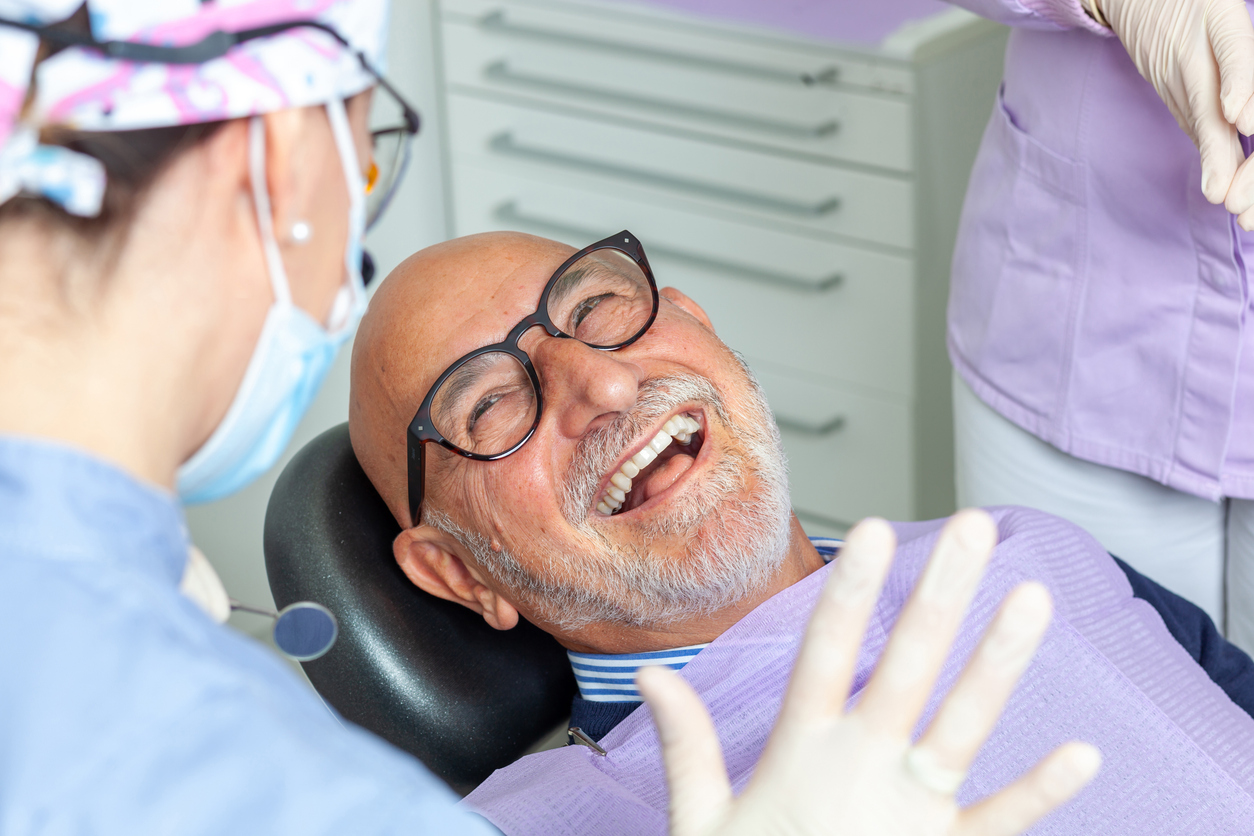
The most rewarding outcomes are not always the most dramatic. Sometimes they involve rebuilding a smile after years of difficulty. Sometimes they involve replacing a missing tooth. Sometimes they involve helping somebody regain confidence after a challenging period in their life. And sometimes they involve reassuring a patient that no treatment is needed at all. Perhaps that is why we continue to begin so many consultations in exactly the same way. With a mirror. A question. And a willingness to listen. Because before we tell patients what we see, we believe it is important to understand what they see first.
Dr Sanaz Tehrani, DDS (Germany), and Dr Pedram Negahban DDS (Germany), DipImpDent RCS (Eng.), AssocFCGDent, are the Clinical Directors of Implant & Perio Clinic in Marylebone, Central London.
They believe that the best treatment plans begin with listening and that good dentistry should always be guided by what is genuinely in the patient’s best interests.
Implant & Perio Clinic is located on Portland Place, Marylebone, near Harley Street, London W1