Turkey teeth vs long term implant dentistry, what can go wrong
6 August 2026
Cheap dental treatment abroad, often called Turkey teeth, is tempting on price. This article sets out what specialist dentists in the UK see when it goes wrong, what repairs cost, and how to weigh the risks before you book.
Over the last few years, there has been a significant rise in patients travelling abroad for cosmetic dental treatment and implant dentistry, often drawn by heavily advertised smile makeover packages and considerably lower prices. At Implant & Perio Clinic in Marylebone, near Harley Street, we increasingly see patients seeking advice after treatment overseas — sometimes simply wanting reassurance, and sometimes because problems have started to develop months or years later.
It is important to say that excellent dentists exist all over the world, including Turkey. This is not about criticising treatment carried out abroad. In many cases, patients are genuinely pleased with their initial results. The difficulty is that dentistry cannot really be judged properly immediately after treatment. The real test is often how the dentistry functions, feels, and remains maintainable years later.
One of the biggest misconceptions surrounding cosmetic dentistry and implants is the idea that the visible result is the finished result. In reality, complex dental treatment should ideally still function comfortably many years after it has been completed. Good implant dentistry involves far more than placing implants or creating a brighter smile. Bite forces, gum health, long-term maintenance, bone stability, cleansability, jaw function, and biological health all play a major role in whether treatment remains successful over time.
Very often, patients are surprised by how much time is normally invested into diagnostics and planning before treatment even begins. In practice, comprehensive implant assessment may involve:
The planning phase is often just as important as the treatment itself.

One of the concerns occasionally seen with heavily marketed smile makeover treatments is that the focus can become directed primarily towards achieving dramatic visual change quickly. Aesthetic improvement is obviously important, but long-term biological stability matters equally. Modern dentistry has gradually moved towards more conservative approaches wherever possible. Preserving healthy tooth structure remains extremely important, particularly in younger patients.
In practice, many patients are unaware of how much healthy enamel or tooth structure may sometimes be removed during aggressive full-coverage cosmetic treatment. This is why treatment should always be approached individually rather than through a “one treatment fits all” philosophy.
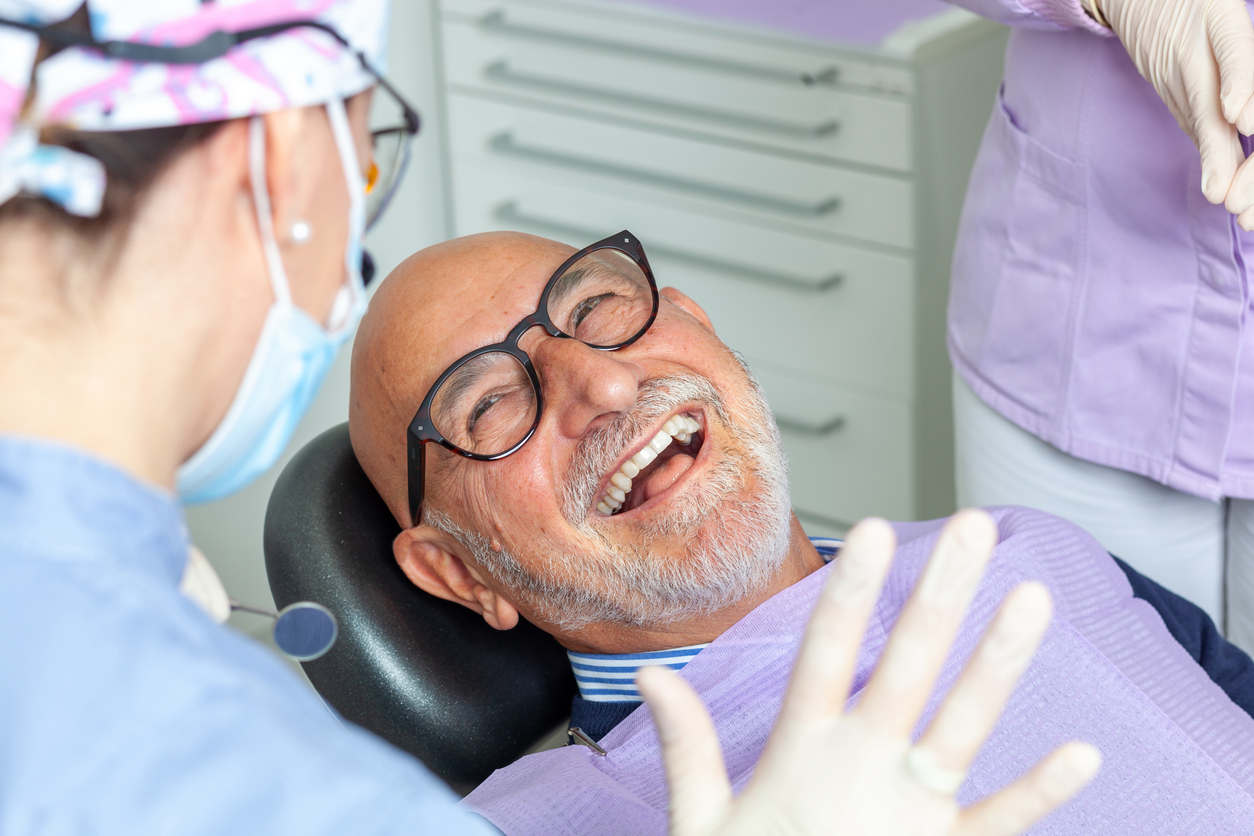
One of the most overlooked aspects of implant treatment is maintenance. Dental implants require long-term professional care, regular monitoring, and ongoing hygiene maintenance in much the same way natural teeth do. Conditions such as peri-implantitis — inflammation and bone loss around implants — can develop gradually and sometimes without significant symptoms initially.
Patients are often surprised to learn that implant dentistry is not truly “finished” once the crowns are fitted. Long-term success depends heavily on maintenance, cleansability, bite stability, and ongoing reviews over many years. This becomes particularly important in full-mouth cases where the forces placed on the restorations can be extremely significant.
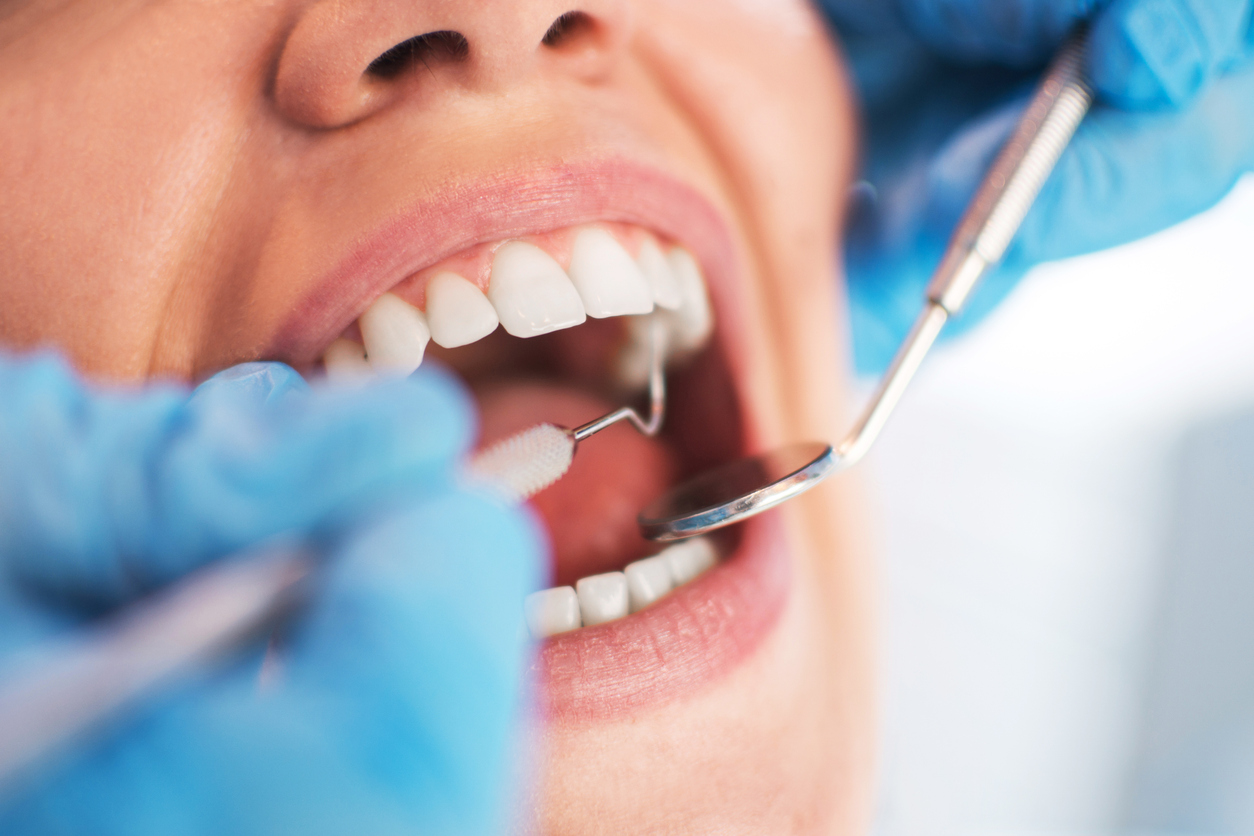
One of the most technically demanding aspects of full-mouth dentistry is managing the bite correctly. Teeth may initially look aesthetically pleasing in photographs, but long-term comfort and durability depend heavily on functional planning and force distribution. Patients who grind or clench heavily may place enormous pressure on implants, crowns, and ceramic restorations over time.
At Implant & Perio Clinic, many patients referred to Dr. Pedram Negahban for corrective treatment following previous implant work present not because the treatment initially “looked bad,” but because biological or functional complications developed later. Sometimes the issues involve:
Dentistry is rarely a one-time event. Even beautifully executed treatment may occasionally require adjustments, maintenance, repairs, or monitoring over time. Having ongoing access to the clinician and team who originally planned the treatment can make this process considerably easier and more predictable. For patients considering treatment abroad, it is worth thinking not only about the initial procedure itself, but also about:
These conversations are just as important as the treatment plan itself.

Ultimately, successful dentistry should not only look good immediately after treatment. It should remain healthy, functional, comfortable, maintainable, and biologically stable years later. Whether treatment is carried out in the UK or abroad, patients deserve clear information, realistic expectations, careful planning, and dentistry that prioritises long-term oral health as much as aesthetics.
At Implant & Perio Clinic in Marylebone, close to Harley Street, treatment planning is always approached conservatively, individually, and with long-term stability in mind.
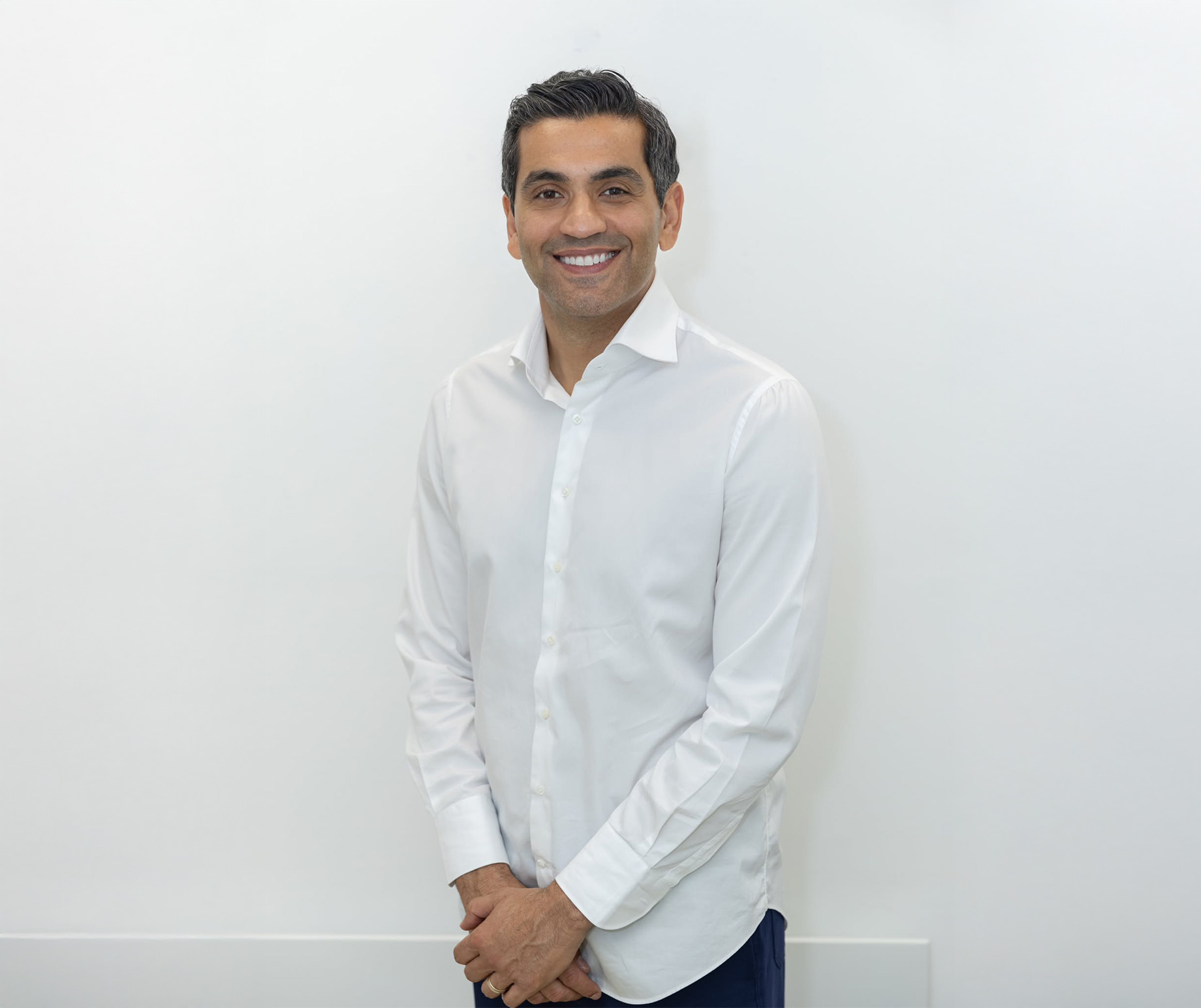
Dr. Pedram Negahban
Implant & Perio Clinic is located on Portland Place, Marylebone, near Harley Street, London W1