My child is missing an adult tooth, when is an implant the right option?
22 June 2026
If your child has a missing adult tooth, the first thing to know is that dental implants are not placed until the jaw has finished growing, usually in the late teens. This guide covers what happens in the meantime, the options, and when an implant becomes the right choice.
One of the more difficult conversations in implant dentistry is explaining why a patient who would benefit from an implant is not quite ready for one. I often meet young people who are missing a front tooth, either because the adult tooth never developed, because it was lost through trauma, or because it could not be saved. By the time they arrive, parents have usually done their research. Orthodontic treatment may already have been discussed, spaces may have been opened or maintained, and naturally the question becomes:
“When can we place the implant?”
The surprising part is that we often spend more time talking about timing than implants themselves.
Parents are sometimes surprised when I say this. The challenge is rarely deciding whether an implant could replace the missing tooth. Modern implant dentistry is highly successful and, in many situations, an implant may ultimately be the best long-term solution. The more difficult question is knowing when to place it. In young patients, that timing can make a significant difference to the final result.
One of the things many people do not realise is that implants behave differently from natural teeth. Natural teeth continue to adapt subtly as the face and jaws mature. Implants do not. Once integrated into the bone, an implant remains fixed in position. This means that placing an implant too early may create challenges later, particularly in the front of the mouth where small changes can become noticeable over time. Parents are often hoping for a clear age at which implants become possible. Unfortunately, it is rarely that simple.

One of the most common questions I hear is:
“Can my daughter have an implant at 17?” or, “My son is 18 now. Is he ready?”
The honest answer is that age alone is not particularly helpful. Growth patterns vary enormously between individuals. Although growth often finishes earlier in girls than boys, implant planning should never be based on a birthday alone. In practice, I am often more cautious than patients expect. The implant may be expected to last for decades. Waiting an extra year or two is often a very small price to pay for a result that remains stable and natural-looking for many years to come.
This is another important part of the conversation. Families sometimes hear the word “wait” and understandably worry that nothing can be done. In reality, a great deal of planning often happens during this period. Orthodontic treatment may be used to create or maintain the ideal space. Temporary solutions can often help preserve appearance and confidence. Growth and development can be monitored carefully over time. Very often, these years are not a delay in treatment. They are part of the treatment.
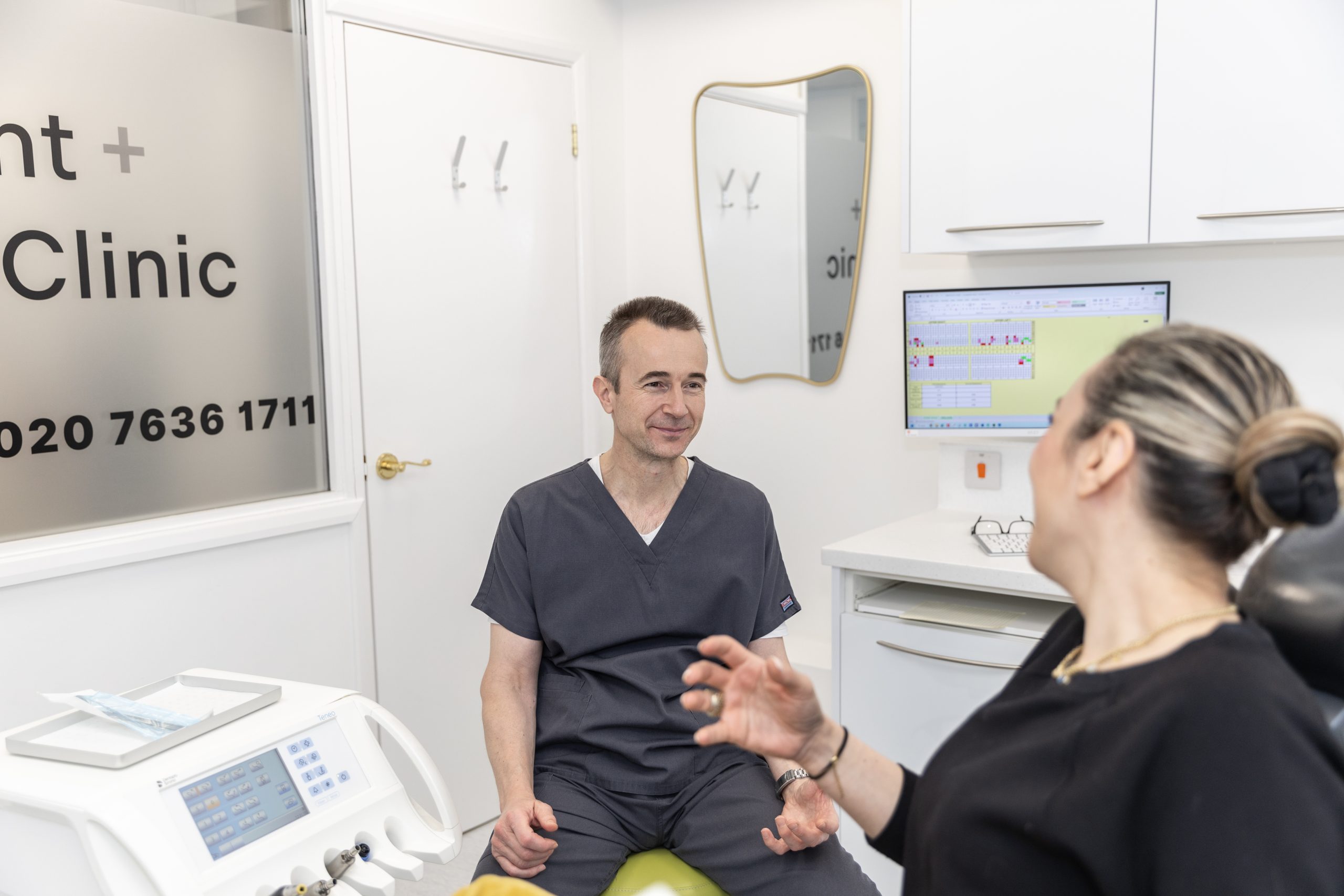
One of the things I enjoy most about implant dentistry is that it encourages long-term thinking. When planning treatment for a teenager or young adult with a missing tooth, we are not simply planning for next year. We are thinking about how that result will look and function ten, twenty or even thirty years from now. Sometimes that means moving forward. Sometimes it means waiting. Both decisions require judgement.
Parents are often reassured when they realise that delaying an implant is not necessarily a setback. Quite often, it is the decision that gives us the best chance of achieving a predictable and natural-looking result in the future. At Implant & Perio Clinic in Marylebone, near Harley Street, treatment planning for young patients with missing teeth often involves careful collaboration between implant dentistry, orthodontics and restorative dentistry. Because sometimes the most important decision is not where to place the implant. It is knowing when to place it.
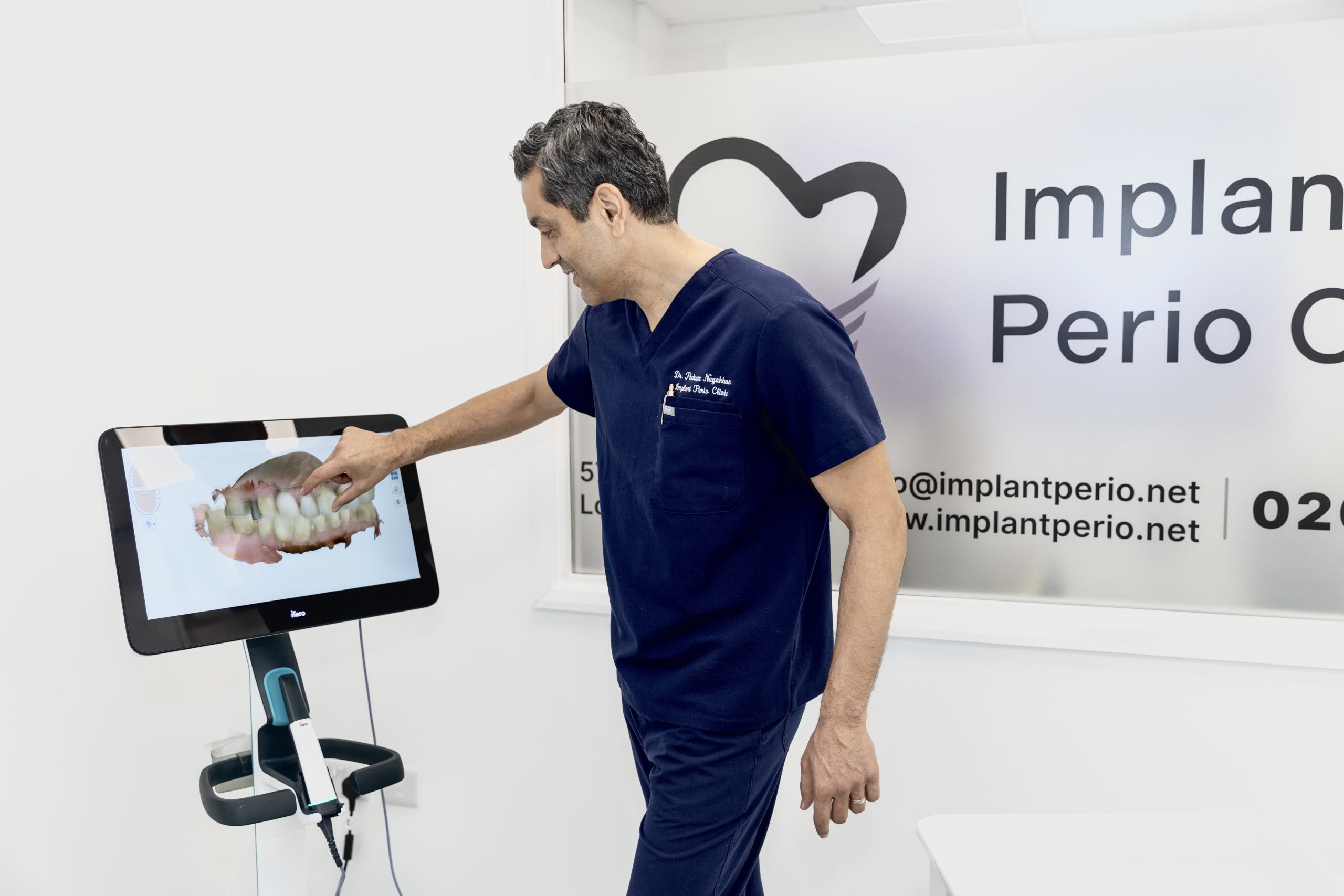
Dr Pedram Negahban, DDS (Germany), is Clinical Director of Implant & Perio Clinic in Marylebone, Central London.
His approach to implant dentistry is centred on careful planning, long-term stability and helping patients make informed decisions with confidence. He believes that successful treatment is often as much about timing and judgement as it is about technical skill.
If your child is missing an adult tooth and you would like to understand the right timing for treatment, you can book a consultation with our team.
Implant & Perio Clinic is located on Portland Place, Marylebone, near Harley Street, London W1.