Is Expensive Toothpaste Really Better?
27 October 2026
Every now and then, dentistry has its fashion moments. At the moment, one of them seems to be toothpaste. Patients have recently been asking me about beautifully packaged “designer” toothpastes, some costing £13, £30, even £65. They look elegant in the bathroom, they smell sophisticated, and they often come with very confident promises about whitening, enamel repair, microbiome balance or luxury oral care.
But the honest dental answer is this: a toothpaste does not become more effective simply because it is expensive. One of my professors at university in Germany used to say that toothpaste is, in many ways, a luxury. What he meant was not that toothpaste is useless, but that the real work is done by brushing properly. The toothbrush, the technique, the time spent, and the consistency matter far more than the branding on the tube.
That view may sound a little old-fashioned, but clinically, I still think there is a lot of truth in it. A good toothpaste should support your brushing. It should not be expected to compensate for poor brushing, irregular cleaning, frequent sugar intake, untreated gum disease, or missed hygiene visits.
For most adults, the most important ingredient is still fluoride. NHS and UK preventive guidance recommends brushing twice daily with toothpaste containing 1,350 to 1,500 ppm fluoride, and spitting rather than rinsing afterwards so the fluoride remains on the teeth for longer. Cochrane evidence also supports fluoride toothpaste in reducing tooth decay compared with non-fluoride toothpaste.
So before being impressed by a luxury toothpaste, I would first turn the tube over and look for the basics.

Some toothpastes genuinely do have a role. For example, sensitivity toothpastes can be very helpful when used consistently. Products such as Sensodyne Pronamel, or similar enamel/sensitivity toothpastes, can work well for many patients with exposed dentine, acid wear or sensitivity. There is evidence supporting several desensitising ingredients, including potassium compounds, stannous fluoride, arginine and calcium sodium phosphosilicate.
But these toothpastes need time. They are not usually instant miracles. They work best when used every day, gently, and not rinsed away immediately.
Whitening toothpastes are a different discussion. Most do not truly “whiten” teeth in the way professional whitening does. They may help remove surface stain from tea, coffee, red wine or smoking, but they do not change the deeper colour of the tooth. Some rely more heavily on abrasives, which can be a problem if someone brushes too hard or already has recession, sensitivity or thin enamel. Reviews of whitening toothpastes describe their main role as removing extrinsic surface stains rather than bleaching the internal tooth colour.
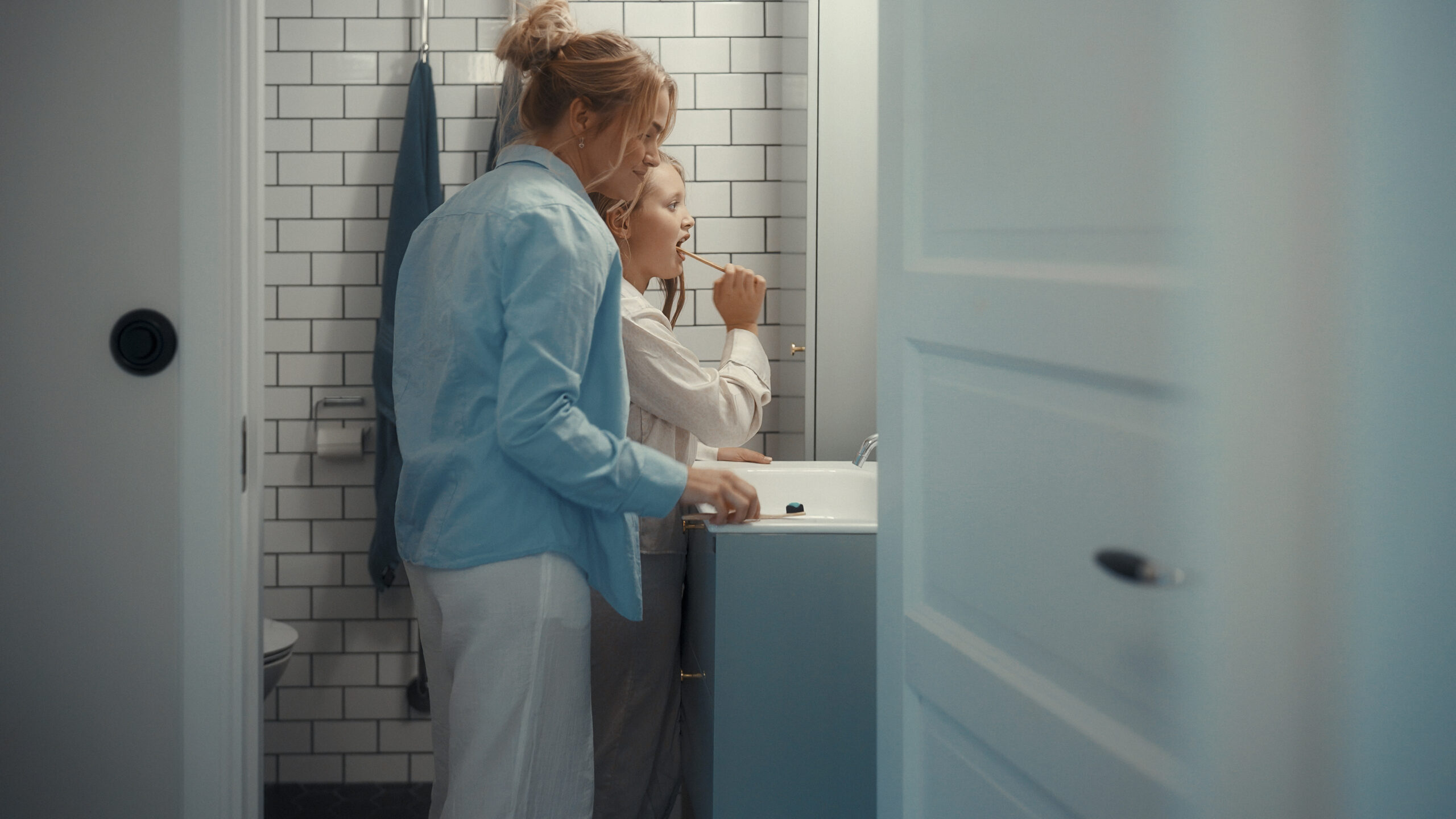
Charcoal toothpastes are one of the areas where I am more cautious. They can feel clean and look dramatic, but the evidence for whitening is limited and some studies raise concerns about abrasiveness. I would not recommend using them regularly, especially in patients with sensitivity, recession, exposed roots or acid erosion.
Hydroxyapatite toothpastes are more interesting. There is growing evidence that hydroxyapatite may help with remineralisation and caries prevention, and newer reviews suggest it may be a useful ingredient, particularly in fluoride-free formulations. But for most patients, I would still be careful about replacing a well-proven fluoride toothpaste unless there is a clear reason to do so.
Then there are the luxury toothpastes. The ones with beautiful packaging, unusual flavours, and a price that feels more like skincare than oral hygiene.
Are they harmful? Not necessarily. Are they pleasant to use? Often, yes. Are they usually clinically superior to a well-chosen £3 to £6 fluoride toothpaste? In most cases, no.
My concern is not that patients enjoy a nice toothpaste. If someone likes the flavour and it makes them brush more consistently, that has value. But I would not want patients to believe that an expensive toothpaste can replace good technique, interdental cleaning, fluoride, dietary control, or proper periodontal maintenance. In dentistry, the unglamorous things are often the most important.
That will usually do far more for your oral health than a beautiful tube on the bathroom shelf.
At Implant & Perio Clinic in Marylebone, near Harley Street, we are always happy to recommend specific products when they are genuinely useful. For sensitive teeth, acid wear, gum disease, implants, dry mouth, whitening maintenance or high decay risk, the “best” toothpaste may be different from one patient to another.
But as a general rule, I would say this: choose toothpaste for its ingredients, not its price tag. A luxury toothpaste may make brushing feel nicer.
It does not make brushing optional.
By Dr Sanaz Tehrani
Implant & Perio Clinic, Marylebone, near Harley Street
Implant & Perio Clinic is located on Portland Place, Marylebone, near Harley Street, London W1