Invisalign for Adults
14 August 2026
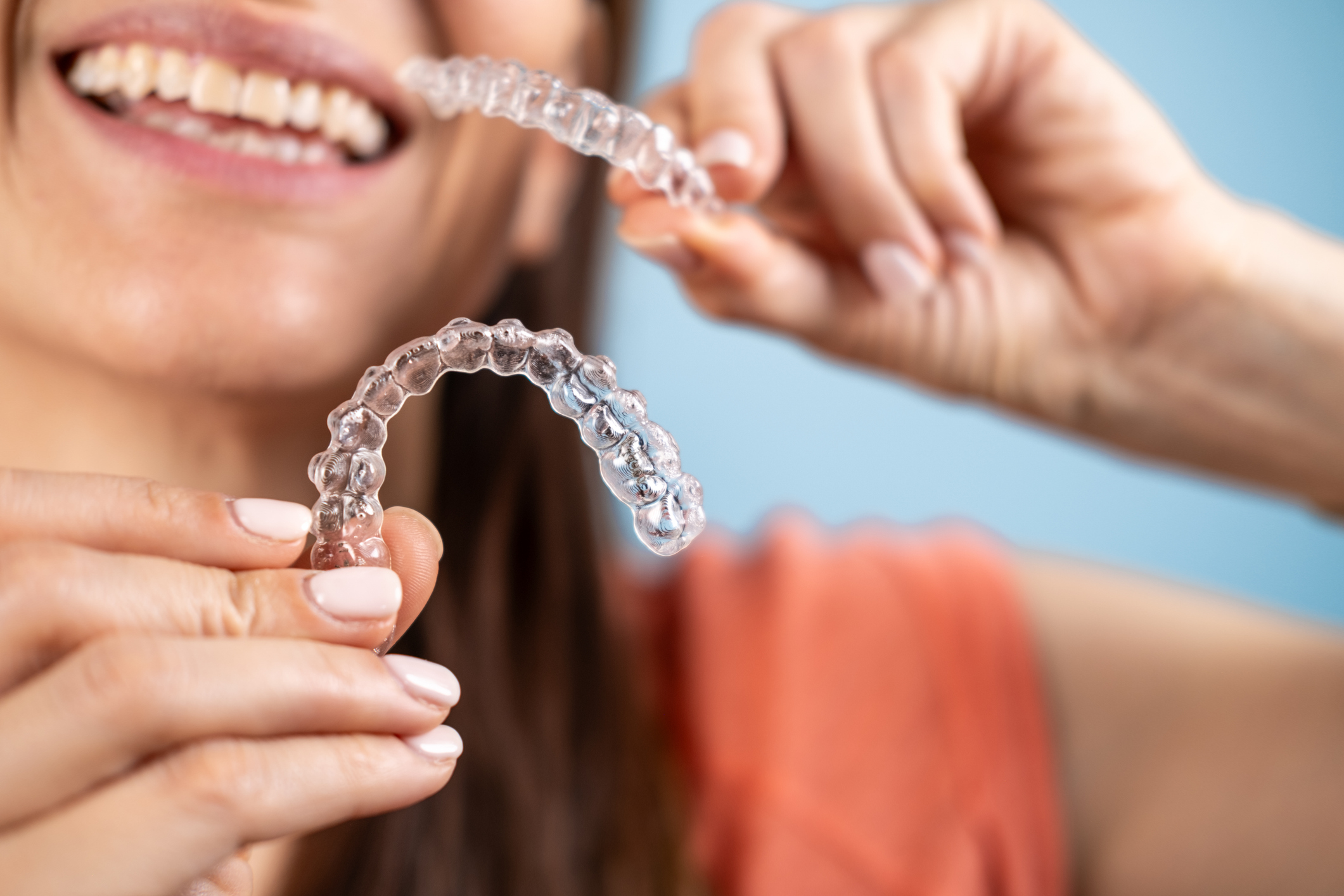
One of the things I enjoy most about Invisalign treatment at Implant & Perio Clinic in Marylebone, near Harley Street, is that the changes are often subtle rather than dramatic. Very often, patients are not necessarily looking for a completely different smile. They simply want to feel fresher, more confident, or more comfortable smiling again. Sometimes it is mild crowding that has slowly worsened over the years. Sometimes teeth have shifted after previous orthodontic treatment. Occasionally it is wear, chipping, or difficulty cleaning crowded areas properly.
What I probably say most during consultations, however, is this: Not everybody is automatically a suitable Invisalign patient. And honestly, I think patients appreciate hearing that. Social media has made Invisalign appear very simple and almost lifestyle-driven. In reality, orthodontic treatment is still a biological process involving bone, gums, bite forces, long-term stability, and patient compliance. The planning behind it matters enormously.
One of the first things I always assess is gum health and periodontal stability. Teeth ideally need to be moved within a healthy and stable periodontal environment. If there is active gum disease or significant inflammation present, this usually needs to be stabilised first before considering orthodontic movement. Previous orthodontic treatment is another very common conversation.
Many adult patients seeking Invisalign have actually already had braces earlier in life. Over time, teeth can naturally relapse if retainers are no longer worn consistently, and patients are often surprised by how much movement can slowly occur over the years. In many of these cases, Invisalign can work beautifully. But equally, understanding why the relapse happened is important, otherwise the same pattern may simply repeat itself later on. One of the realities of Invisalign treatment is that it depends heavily on compliance.
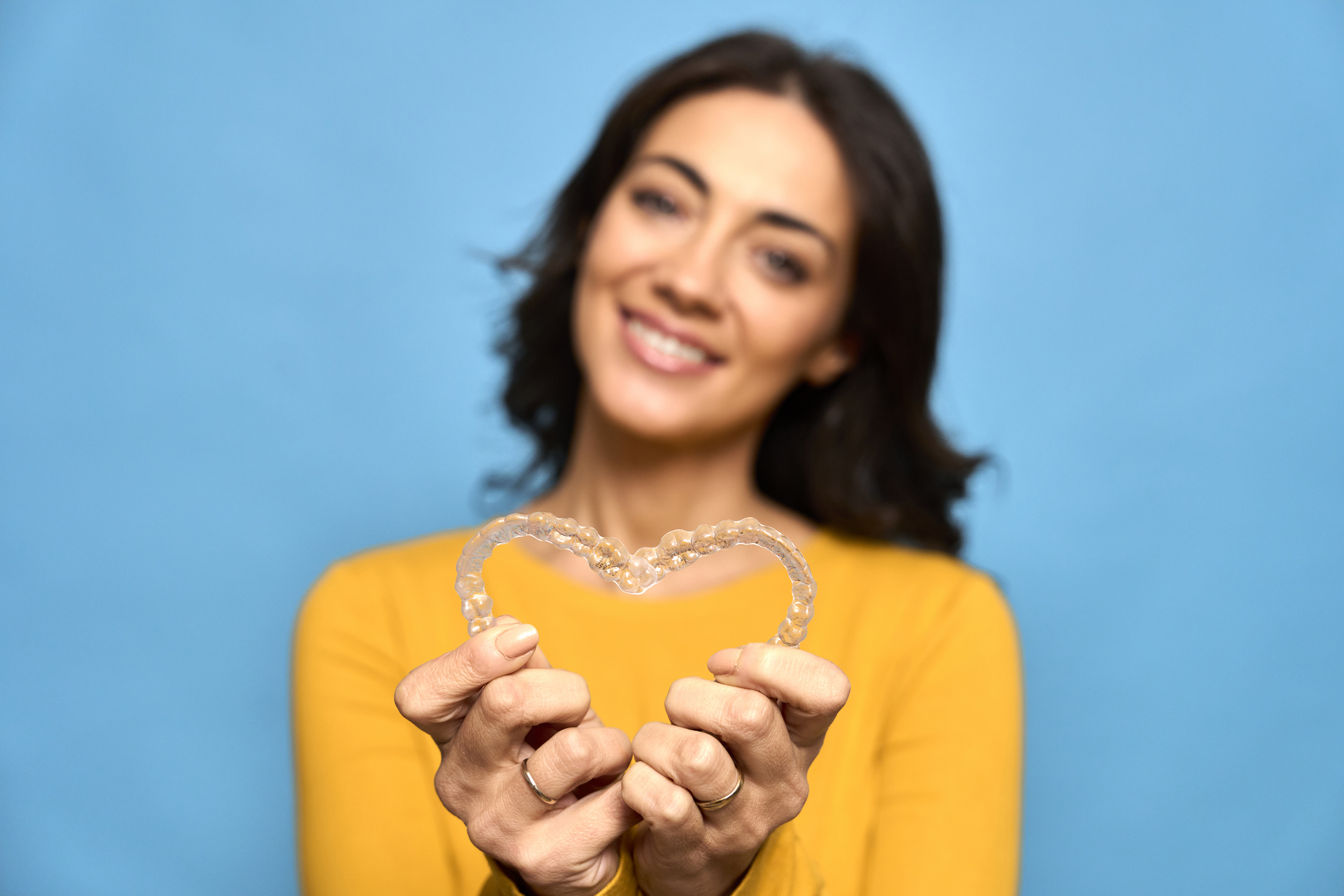
Unlike fixed braces, aligners only work properly when they are actually being worn consistently. In practice, patients generally need to wear them for most of the day and night — usually around 20 to 22 hours daily — for tooth movement to progress predictably. Adults are often excellent Invisalign patients because they are motivated and understand the investment they are making.
Teenagers can absolutely achieve excellent results as well, but only when they are genuinely compliant. Personally, I am relatively selective with younger Invisalign patients because I do not want parents investing significant time and money if the aligners are unlikely to be worn consistently enough for treatment to succeed properly. Very often, Invisalign is not difficult biologically — it is difficult behaviourally. Forgotten trays, inconsistent wear, social events, travelling, or simply losing motivation midway through treatment can all affect how the teeth track.
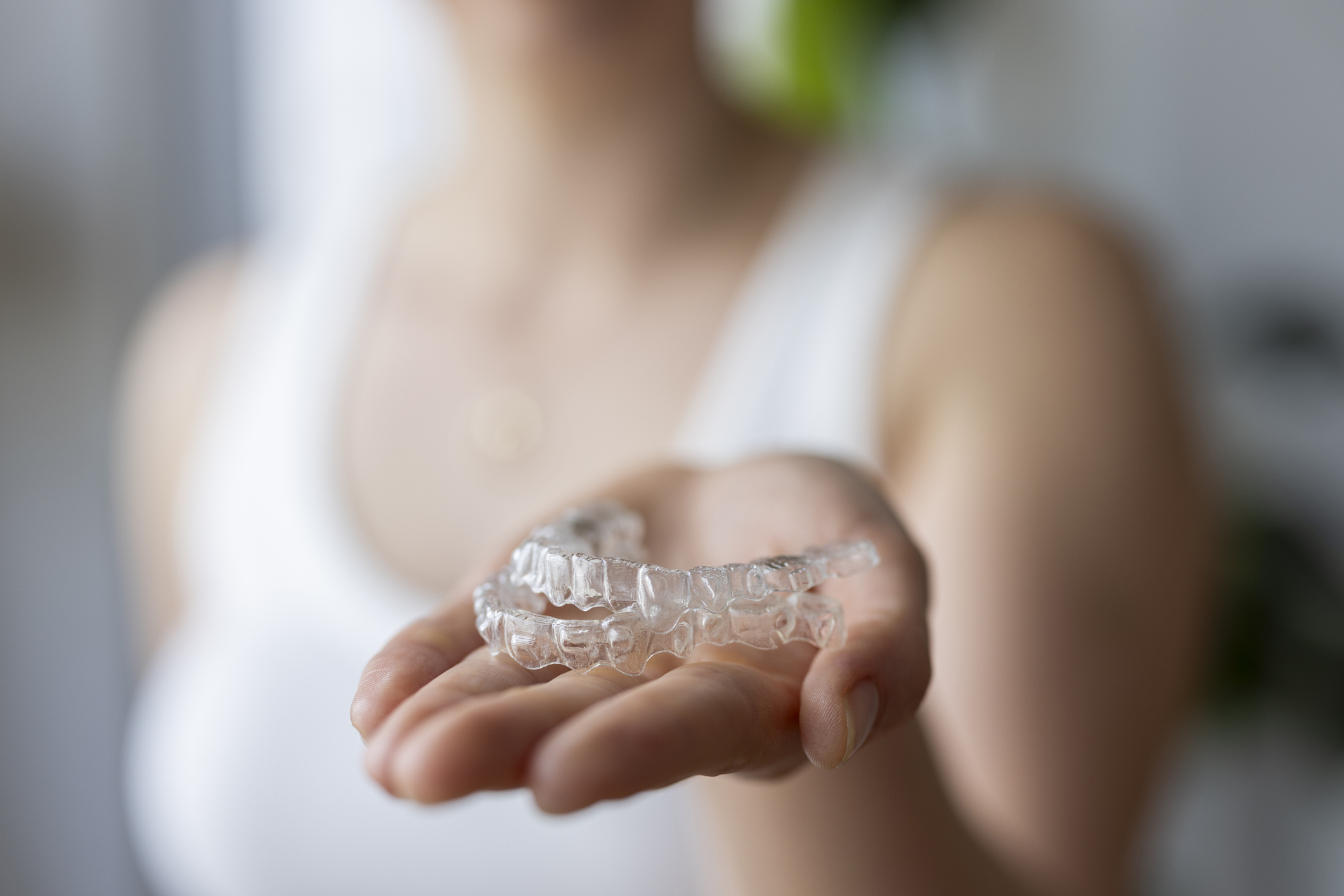
Patients sometimes worry if treatment takes longer than originally expected, but teeth do not always move perfectly according to the initial digital simulation. Refinement stages are actually very normal in orthodontics and often form part of achieving a more balanced final result. For many adult patients, Invisalign treatment commonly takes somewhere between roughly nine and eighteen months, although this varies considerably depending on the complexity of the case, bite correction, previous orthodontic relapse, and compliance throughout treatment.
One of the things I feel strongly about is that Invisalign should still look natural at the end. Increasingly, patients are not necessarily looking for “perfect Hollywood teeth.” Very often, the most beautiful outcomes are simply healthier, softer, more balanced versions of the patient’s original smile. Sometimes Invisalign alone is enough. Sometimes combining Invisalign with whitening or very minimal bonding creates the most conservative and natural-looking result. And occasionally, I advise patients not to proceed at all.
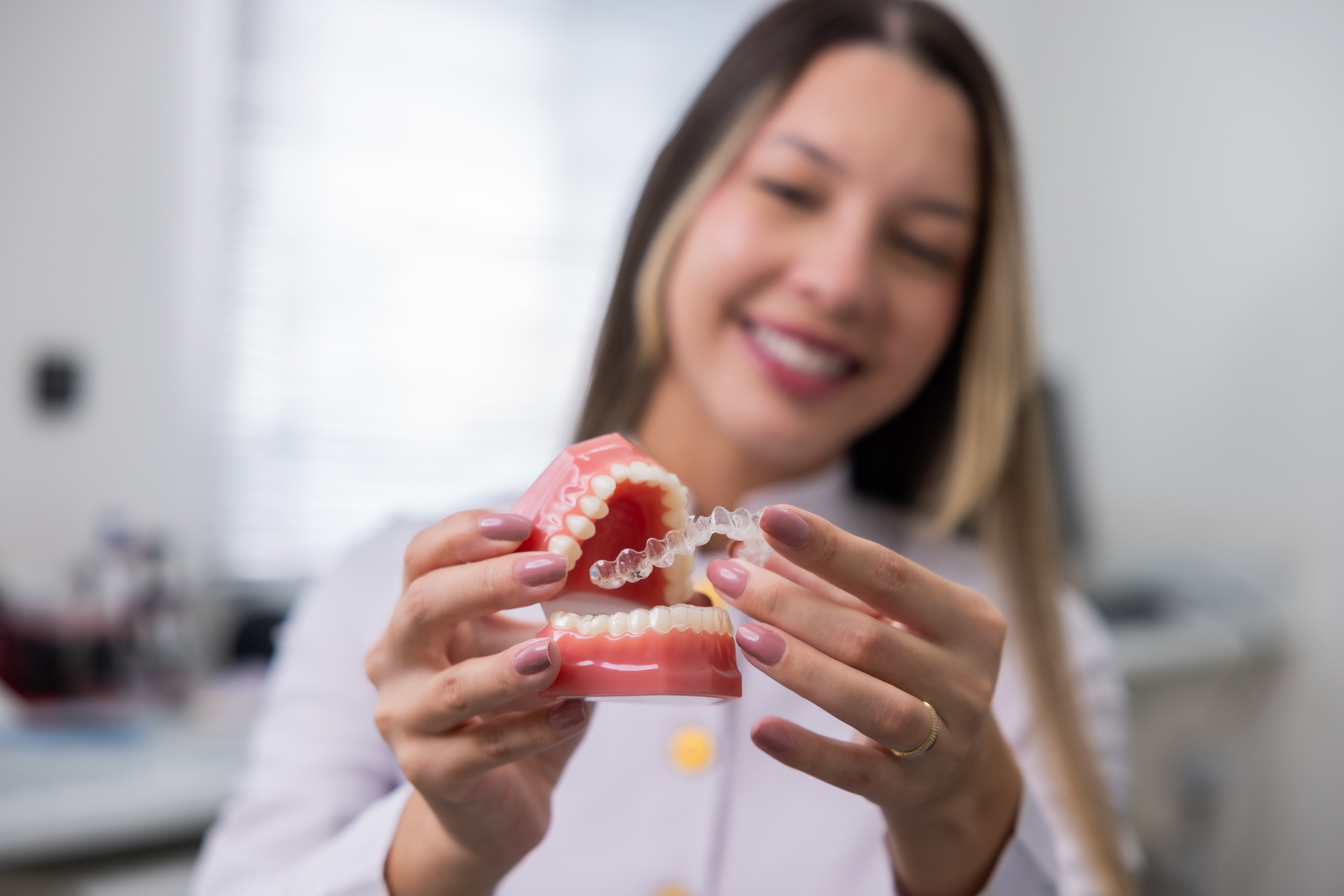
Good dentistry is not simply about whether treatment can technically be done. It is also about whether the teeth and gums are healthy enough, whether the patient is likely to manage the treatment well, and whether the result is likely to remain stable long-term. At Implant & Perio Clinic, Invisalign treatment is always approached carefully and individually, with long-term gum health, bite stability, and maintainability in mind rather than simply short-term aesthetics. Very often, the best cosmetic dentistry is the dentistry that still allows patients to look completely like themselves.
Implant & Perio Clinic is located on Portland Place, Marylebone, near Harley Street, London W1