Immediate Front Tooth Implants: Will I Be Left Without a Tooth?
30 July 2026
The first question most people ask about a front tooth implant is whether they will be left with a gap. In most cases the answer is no. Here is how immediate implants and temporary teeth work, and when same day placement is suitable.
One of the most difficult conversations patients face is being told that a front tooth cannot be saved. The reason may be a fracture. A failing root canal treatment. Advanced infection. Trauma. Or sometimes years of gradual deterioration that have finally reached a point where keeping the tooth is no longer predictable. Yet despite the clinical diagnosis, most patients tend to ask the same question:
“Will I be left with a gap?”
It is an entirely understandable concern.
Front teeth are not just important for eating and speaking. They are part of how we present ourselves to the world. For many patients, the thought of losing a front tooth is often more worrying than the treatment itself. The good news is that in suitable cases it may be possible to remove a failing front tooth, place a dental implant immediately and provide a temporary tooth on the same day. This approach is commonly known as immediate implant placement. However, despite the name, successful immediate implant treatment is rarely about speed.
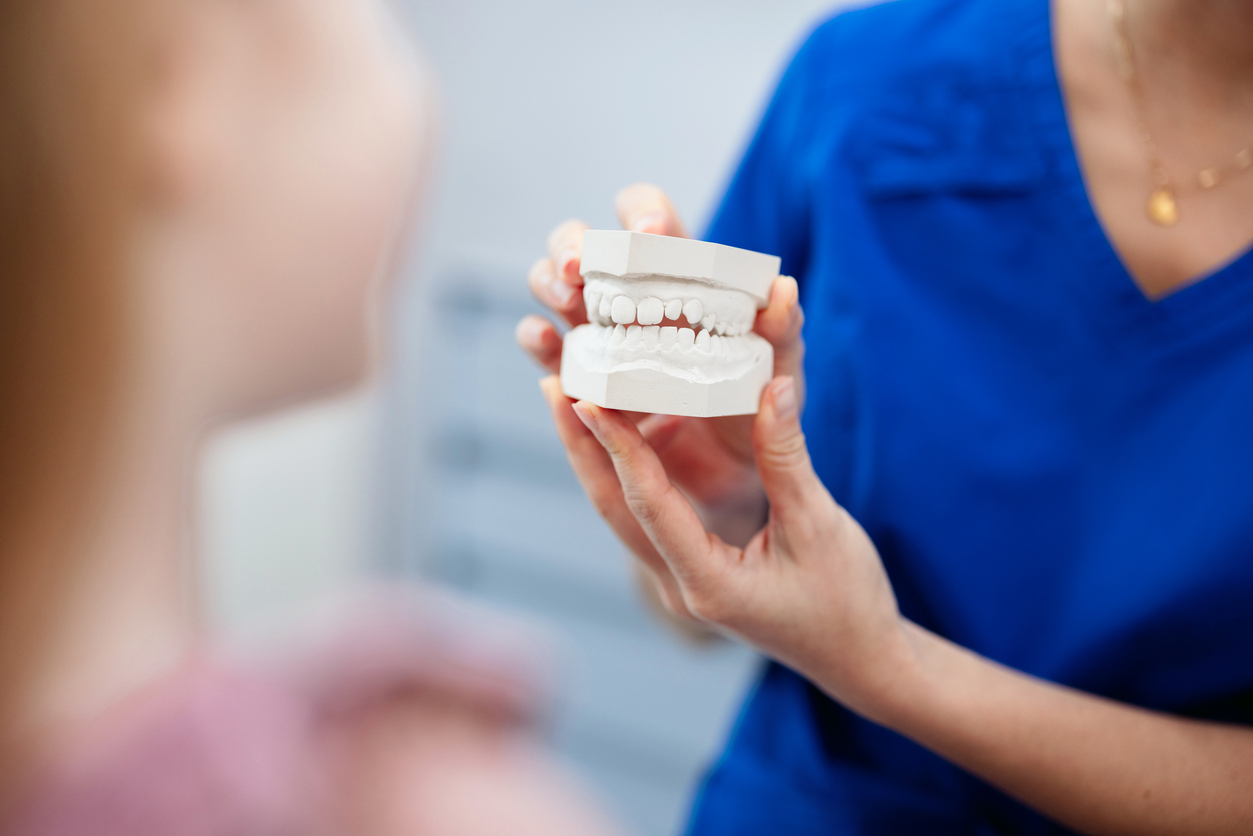
One of the biggest misconceptions in implant dentistry is that immediate treatment is simply the faster option. In reality, some of the most careful planning often takes place before the procedure begins. When replacing a front tooth, the challenge is not simply placing an implant. The challenge is preserving what nature has already created. The surrounding gum tissue. The underlying bone. The symmetry of the smile. The small details that people may never consciously notice but immediately recognise when they are missing.
This is why immediate implant treatment requires careful assessment and case selection. The goal is not simply to replace a tooth quickly. It is to achieve a result that remains stable and natural-looking for many years.
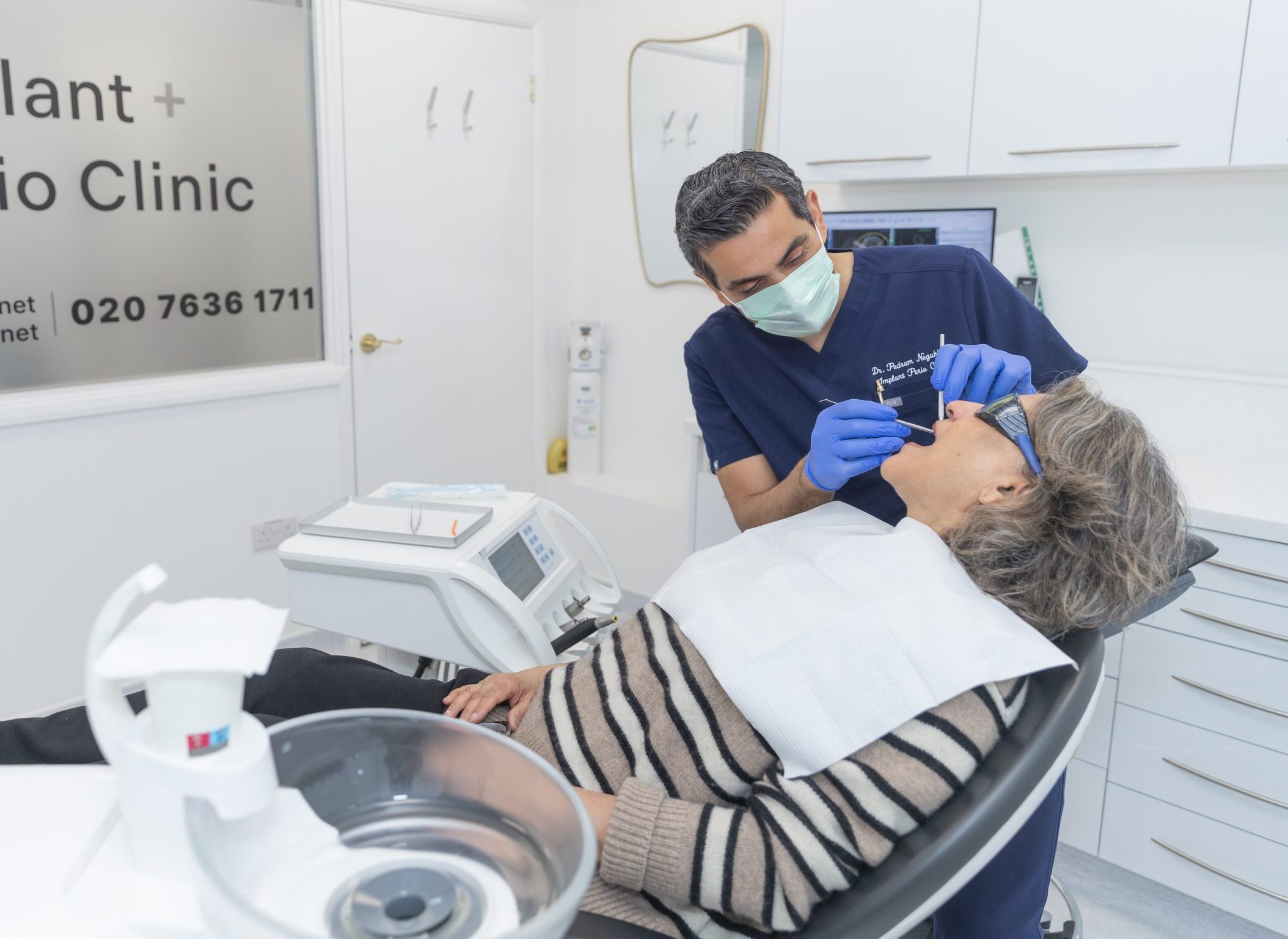
One of the advantages of immediate implant placement is that, in carefully selected cases, it may help preserve the existing gum and bone architecture following extraction. This can be particularly important in the aesthetic zone, where even small changes to the tissues can affect the final appearance of the smile.
The implant itself is only one part of the treatment. The surrounding tissues are often just as important. In many ways, successful implant dentistry is as much about preserving biology as it is about replacing teeth.

Patients are often relieved to hear that they may not need to wear a removable denture or leave with a visible gap during healing. In suitable cases, a temporary tooth can frequently be fitted immediately after implant placement. While this provides an obvious aesthetic benefit, its role extends beyond appearance alone. The temporary restoration helps support and guide the healing soft tissues around the implant. This stage of treatment is often underestimated. Yet the way the tissues heal during the first few months can have a significant influence on the final result.

One of the most important parts of any consultation is deciding whether immediate placement is genuinely the right option. Factors such as bone quality, gum thickness, infection, smoking, grinding habits and the position of the failing tooth all influence long-term predictability. For some patients, immediate placement may be an excellent option. For others, a staged approach may provide the safer and more predictable outcome. This can occasionally be disappointing for patients who arrive hoping for immediate treatment. However, good implant dentistry is not about doing what is quickest. It is about doing what is most likely to succeed.
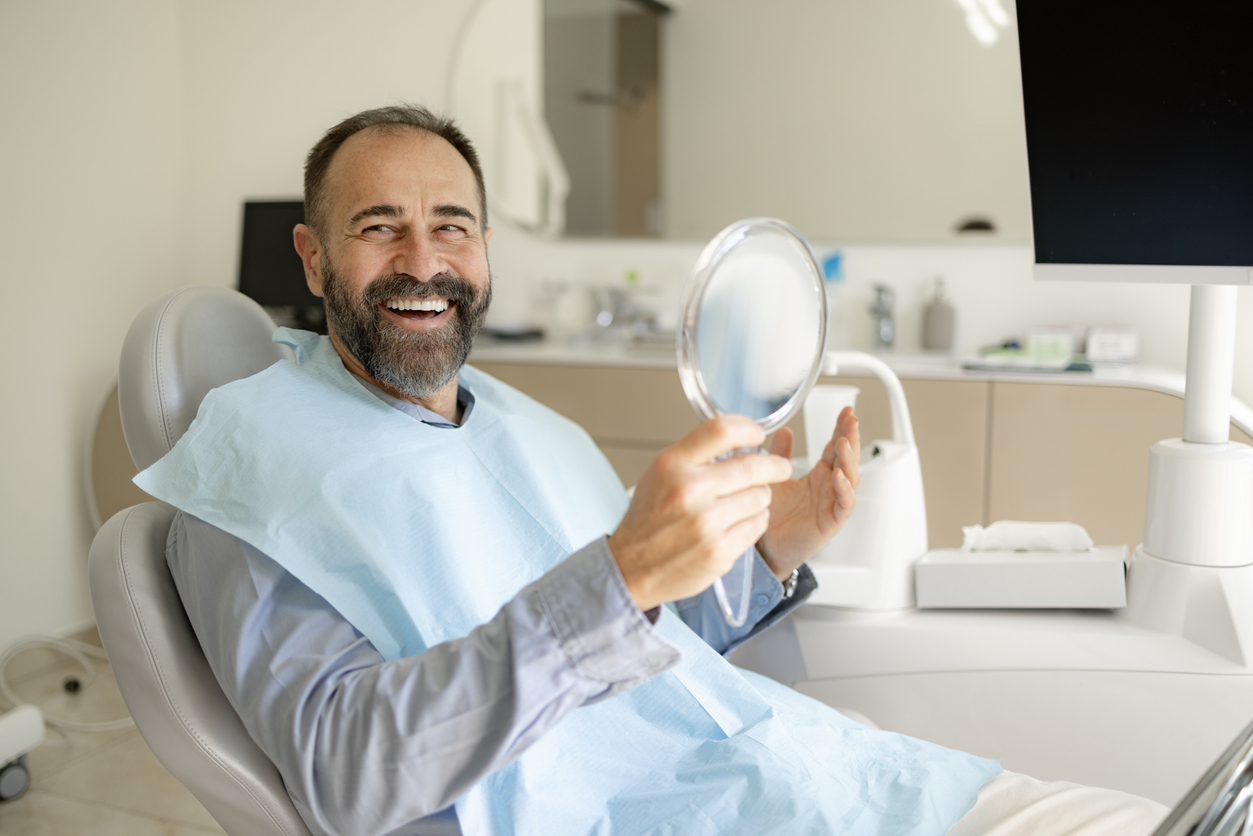
This may sound surprising coming from an implant dentist. But the goal is not simply to replace a tooth. The goal is to restore confidence, function and appearance in a way that feels natural and remains stable over time. Some of the most challenging cases in implant dentistry involve single front teeth. Patients compare them directly to the natural teeth beside them.
Tiny differences in gum shape, tooth position or symmetry can become noticeable. The aim is not merely to fill a space.
It is to create a result that belongs naturally within the smile. In many cases, the best implant work is the dentistry nobody notices.

Patients understandably focus on what happens immediately after treatment. As clinicians, we also think about what happens five, ten and fifteen years later. Long-term gum health. Bite stability. Oral hygiene. Maintenance. These factors often play just as important a role in success as the surgery itself. At Implant & Perio Clinic in Marylebone, near Harley Street, every immediate implant consultation begins with careful assessment, digital planning and a discussion about what is realistically achievable.
Sometimes immediate placement is possible. Sometimes a staged approach is the wiser decision. The most important thing is not replacing a tooth quickly. It is replacing it well.
Dr Pedram Negahban, DDS (Germany), is Clinical Director of Implant & Perio Clinic in Marylebone, Central London.
A significant part of his work involves replacing failing teeth in the aesthetic zone. He believes that successful implant dentistry is not measured by how quickly a tooth is replaced, but by how naturally it functions and feels for years afterwards.
Implant & Perio Clinic is located on Portland Place, Marylebone, near Harley Street, London W1