Dental Emergencies: What Actually Needs Urgent Treatment?
28 September 2026
One thing I have noticed over the years is that patients are often unsure what actually counts as a dental emergency. Some people apologise for calling us with severe pain because they “didn’t want to bother anyone.” Others understandably panic over something that turns out to be relatively minor. In reality, dental emergencies cover quite a wide range of situations. Some require treatment immediately. Others are uncomfortable rather than dangerous, but still worth seeing sooner rather than later.
Pain is probably the most common reason patients contact us urgently. Sometimes it is a deep throbbing toothache that appears in the middle of the night. Sometimes it is swelling around a tooth or gum. Occasionally patients cannot even tell us which tooth is responsible. They simply know that something feels wrong. One of the challenges with dental pain is that it often creates anxiety as well as discomfort. Patients are not only worried about how much something hurts. They are worried about what it means.
Many patients are surprised to learn that antibiotics are not always the treatment they expect. A significant amount of dental pain comes from inflammation inside the nerve of a tooth rather than a spreading infection. In those situations, antibiotics alone often do very little because the problem is mechanical rather than medical. The pressure inside the tooth needs to be relieved. This is where treatments such as root canal treatment sometimes become necessary.
Root canal treatment has acquired an unfortunate reputation over the years. In reality, it is often simply a way of removing an inflamed or infected nerve and allowing patients to keep a tooth comfortably for many years to come. Very often, patients arrive far more worried about the treatment than the treatment itself ultimately justifies.
One of the things we explain regularly is that relieving pain and making long-term decisions are not always the same appointment. Sometimes an emergency visit is about stabilising the situation first. Getting a patient comfortable. Reducing inflammation. Draining an abscess if necessary. Protecting a broken tooth. Creating breathing space. Once the immediate problem is under control, decisions about the longer-term future of the tooth can often be made much more calmly.

Some of the emergencies we see are not painful at all.
These situations may not always be medical emergencies, but they are still significant for patients. A broken front tooth before a wedding, presentation or family event can feel every bit as urgent as a toothache.
One situation I always advise patients to take seriously is swelling. Particularly if it begins spreading into the face or affects swallowing. Fortunately, most dental infections can be managed successfully when treated appropriately and early enough. However, delaying treatment rarely improves the situation. If swelling is increasing, seeking professional advice promptly is always sensible.
Something else that surprises many patients is how often stress contributes to dental emergencies.
Grinding and clenching can place enormous forces on teeth and restorations over time.
These are often linked to excessive bite forces, sometimes without patients being aware they are clenching at all.

In practice, emergency dentistry is often less dramatic than patients imagine. Most situations can be managed predictably once the cause is properly identified. Usually, the hardest part for patients is not the treatment itself. It is not knowing what is happening. Pain creates uncertainty. Uncertainty creates anxiety. Very often, patients arrive worried that the situation is far worse than it actually is. One of the most important parts of emergency dentistry is helping people understand what is happening and what the next step should be.
Once that uncertainty is removed, patients usually feel considerably more in control. At Implant & Perio Clinic in Marylebone, near Harley Street, emergency appointments are approached with the same philosophy as all treatment: careful diagnosis, clear communication and helping patients make informed decisions about their long-term dental health.
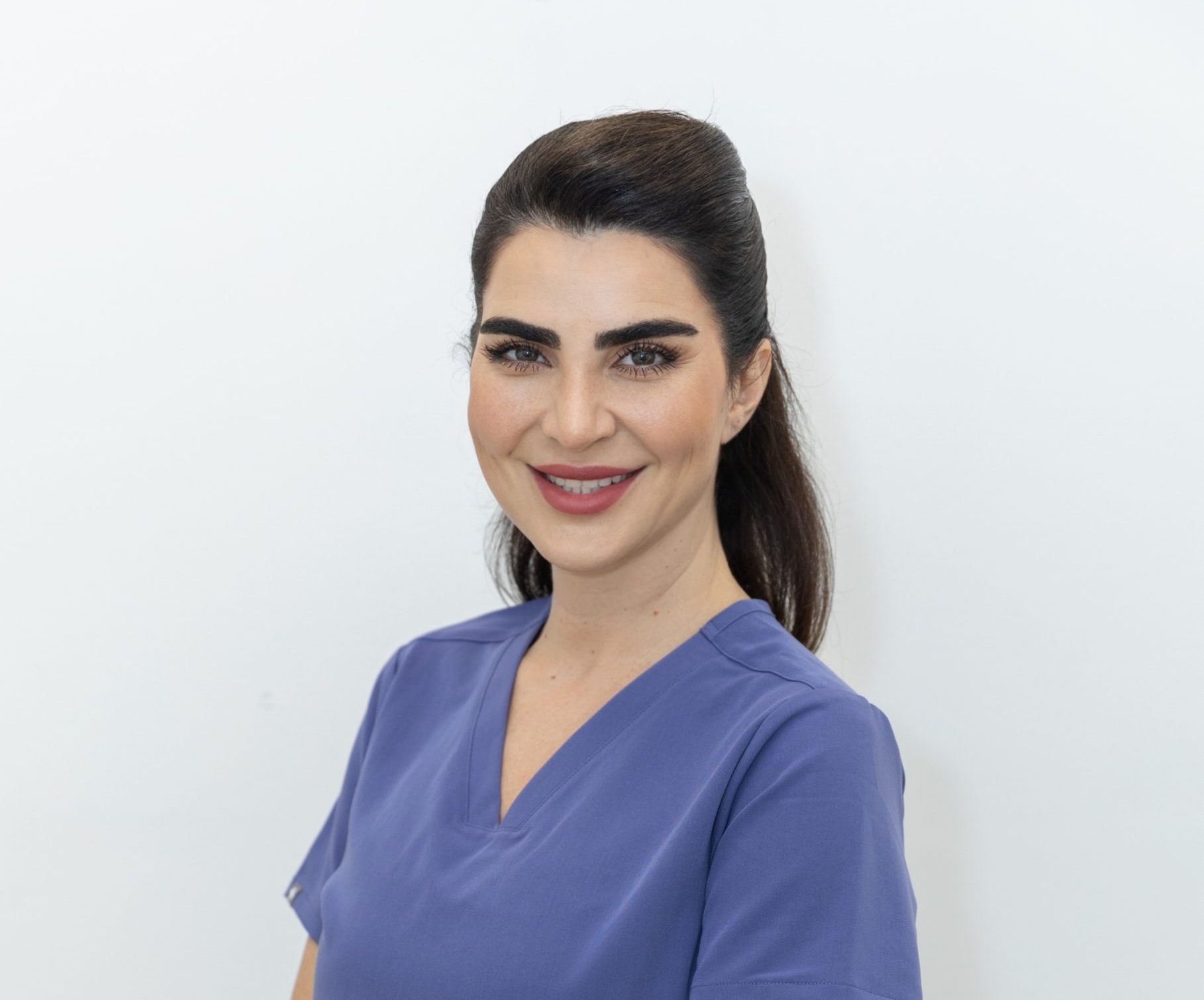
Dr Sanaz Tehrani, DDS (Germany), is Principal Dentist and Clinical Director of Implant & Perio Clinic in Marylebone, Central London.
Having spent many years treating both routine and emergency dental problems, she believes that helping patients understand what is happening is often the first step towards helping them feel better.
Implant & Perio Clinic is located on Portland Place, Marylebone, near Harley Street, London W1