Composite Bonding vs Veneers: Which treatment is actually right for your smile?
21 August 2026
One of the most common conversations we have at Implant & Perio Clinic in Marylebone, near Harley Street, is whether a patient would be better suited to composite bonding or porcelain veneers. Many patients arrive convinced they “need veneers,” often after seeing dramatic smile transformations online, when in reality a far more conservative approach may sometimes be possible. Equally, there are situations where bonding repeatedly chips or stains over time and porcelain becomes the more predictable long-term solution.
There is rarely one universal answer. The right treatment depends not only on aesthetics, but also on the condition of the teeth, enamel quality, bite forces, grinding habits, long-term stability, and ultimately what is healthiest for the patient over time.
One of the reasons composite bonding has become so popular is that, in suitable cases, it can often be carried out with very little or sometimes no drilling at all. For patients with healthy teeth who simply wish to improve small imperfections — such as uneven edges, minor spacing, asymmetry, or subtle wear — bonding can be a very conservative and beautiful option. The composite material is applied directly onto the teeth and carefully shaped by hand before being polished to blend naturally with the surrounding enamel. When done well, the results can look extremely natural and elegant rather than obviously “cosmetic.”
Patients also often appreciate that bonding can usually be completed relatively quickly and, in many cases, without the need for anaesthetic. In practice, however, bonding is not always the right solution simply because it is the more conservative one. Patients who grind heavily, have unstable bites, or already place significant forces on their teeth may experience repeated chipping or wear over time. This is where a proper clinical assessment becomes important rather than choosing treatment based purely on trends or social media.
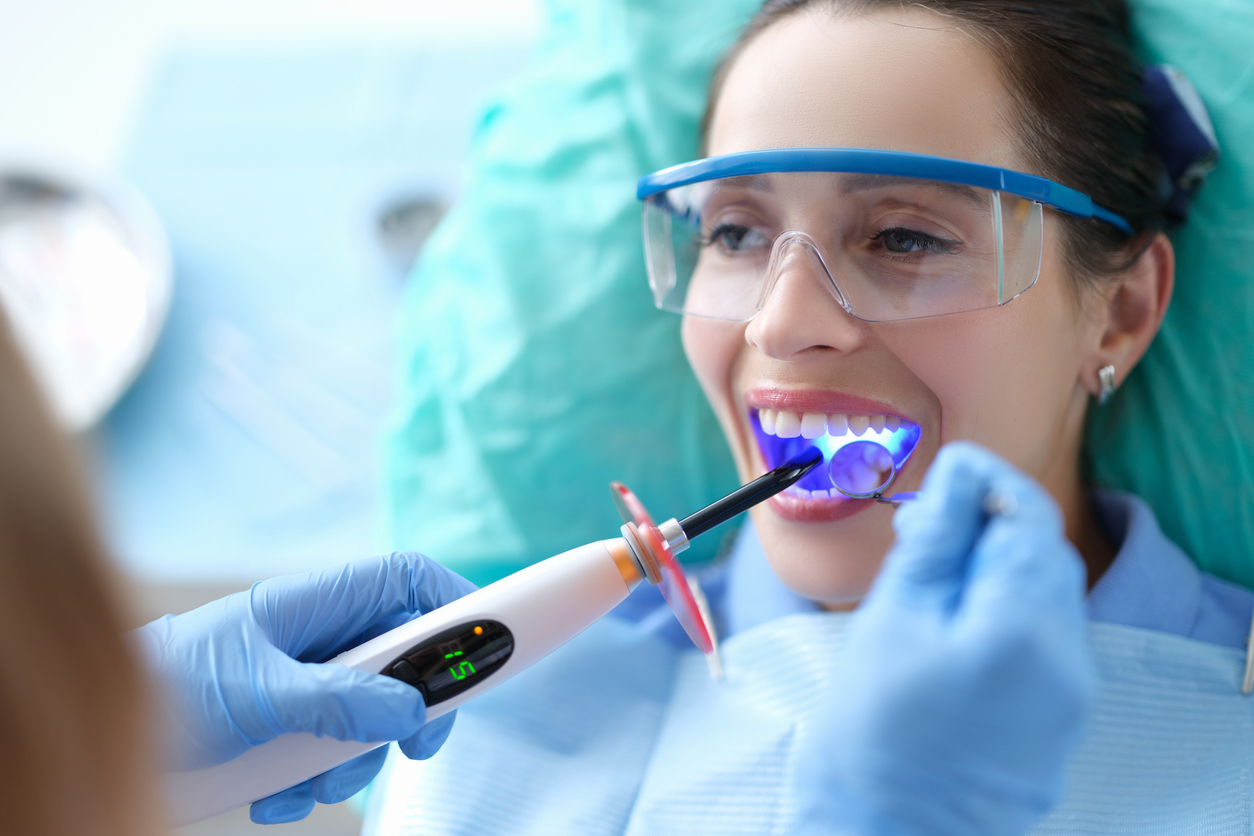
Porcelain veneers sometimes carry the reputation of being overly destructive, largely because of older techniques or highly exaggerated cosmetic cases seen online. Modern porcelain dentistry is often far more conservative than patients expect. In suitable cases, veneers can provide beautifully natural, long-lasting results with only minimal preparation of the teeth. They are individually designed in the laboratory to complement the patient’s face, smile, proportions, and bite rather than simply creating an unnaturally white “perfect” appearance.
Veneers may become the more predictable option where there is:
They also tend to be more resistant to long-term staining compared to composite materials. That said, good cosmetic dentistry should never look excessive or artificial. The best veneer work is usually the kind patients do not immediately notice as veneers at all.
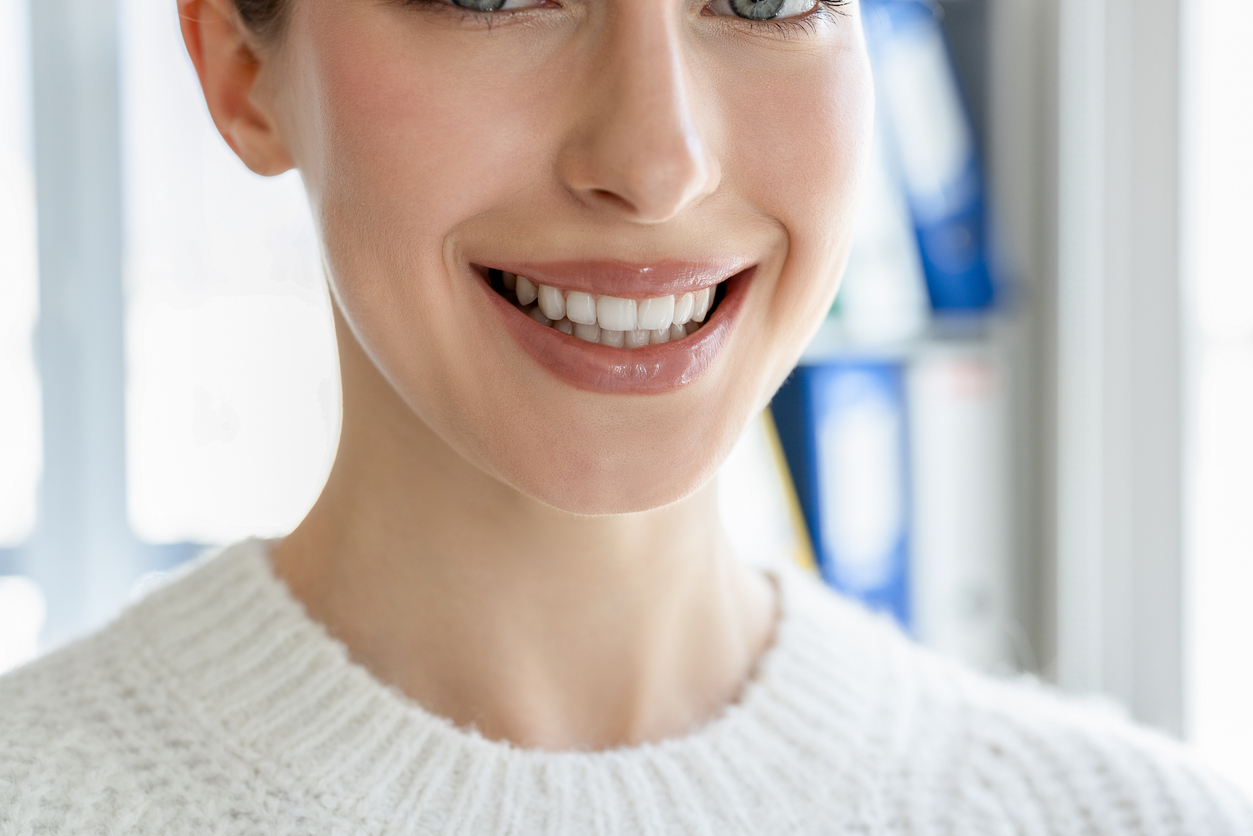
In reality, the more important question is: Which option is most appropriate for this particular patient? Some patients are excellent candidates for very minimal bonding and whitening alone. Others may benefit more from porcelain restorations because of the condition of the teeth, the bite, or the long-term predictability required. Sometimes the best outcome may even involve combining treatments rather than choosing only one approach. Increasingly, modern cosmetic dentistry is moving towards preserving healthy tooth structure wherever possible. In many cases, the most sophisticated dentistry is actually the least invasive dentistry.

One of the biggest misconceptions patients often have is that cosmetic dentistry is purely about appearance. In reality, healthy gums, stable bite relationships, muscle function, grinding habits, and long-term maintenance are equally important. A smile may initially look beautiful, but if the bite is unstable or excessive forces are present, problems often develop later. This is why planning matters so much. At Implant & Perio Clinic in Marylebone, close to Harley Street, smile consultations with Dr. Sanaz Tehrani focus not only on aesthetics, but also on long-term oral health and stability. Photographs, digital scans, tooth proportions, facial balance, wear patterns, gum health, and bite dynamics all help guide the decision-making process.
Over the years, cosmetic dentistry has gradually moved away from overly artificial smiles towards more refined, natural-looking results. Most patients today are not necessarily looking for teeth that appear obviously “done.” They simply want to look fresher, healthier, more balanced, and more confident. Very often, the most beautiful smiles are the ones that still retain some individuality and character. Whether the treatment involves bonding, veneers, whitening, Invisalign, or a more comprehensive smile makeover, the goal should always be dentistry that harmonises naturally with the patient rather than overpowering their appearance.

Dr. Sanaz Tehrani
Implant & Perio Clinic is located on Portland Place, Marylebone, near Harley Street, London W1