Can You Save a Tooth That Feels Loose?
27 July 2026
One of the most common things I hear from patients is:
“I think this tooth needs to come out.”
Often they say it before I have even examined them. Sometimes the tooth feels loose. Sometimes they have noticed movement when eating. Sometimes they have been told elsewhere that they may need an implant. And very often, they arrive expecting the worst. What usually surprises patients is that a loose tooth does not automatically mean the tooth is beyond saving. In reality, the situation is often far more nuanced. One of the most important parts of any consultation is understanding why the tooth has become loose in the first place.
The most common cause is periodontal disease. As the supporting bone and gum tissues around a tooth gradually deteriorate, the tooth may begin to move. The challenge is that periodontal disease is often remarkably quiet. Many patients experience little or no pain. In fact, one of the most common things I hear is:
“It doesn’t hurt.”
Unfortunately, that is often exactly why the problem has gone unnoticed for so long. However, gum disease is not the only cause of mobility. Grinding and clenching can place enormous forces on teeth over many years. Trauma can damage the supporting structures. Root fractures, infection and bite overload can all contribute to movement. This is why proper diagnosis matters. The treatment depends entirely on the reason the tooth has become loose.
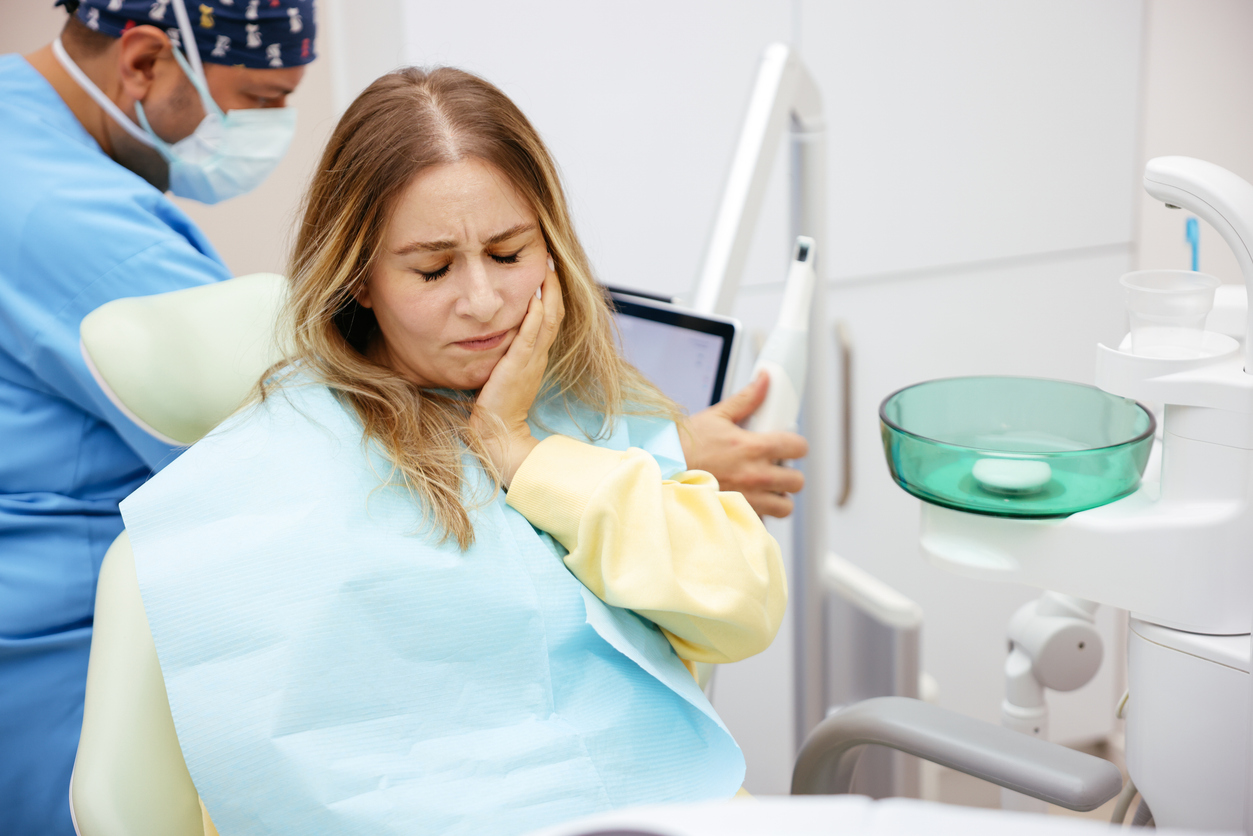
As an implant dentist, people are sometimes surprised when I say this: Not every loose tooth should be replaced. Modern implant dentistry has transformed what we can offer patients, and there are situations where replacing a tooth is unquestionably the right decision. However, one of the most important lessons I have learned over the years is that an implant is not necessarily an upgrade from a healthy natural tooth.
Whenever a tooth can be maintained comfortably, predictably and without ongoing disease, preserving it deserves serious consideration. Natural teeth remain incredibly valuable. That is why treatment planning should never begin with the assumption that extraction is inevitable.
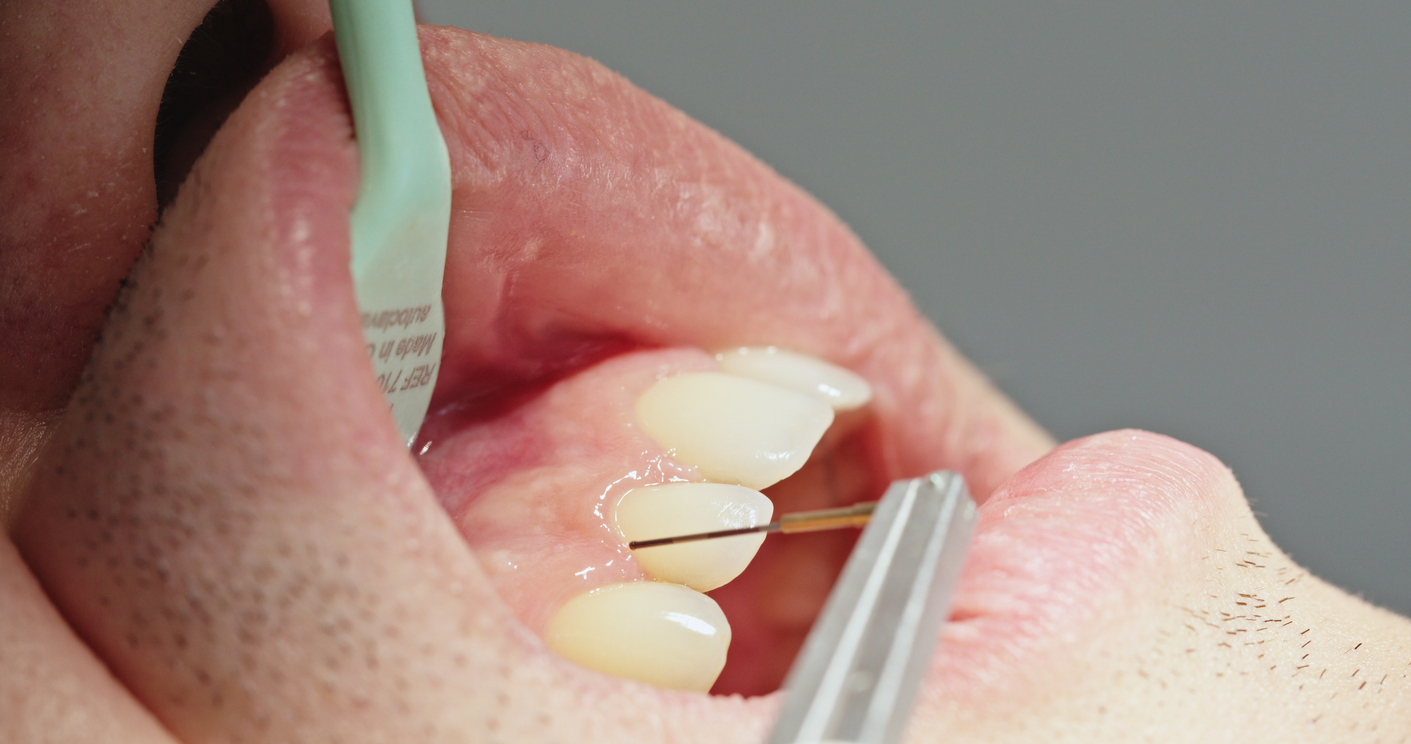
In some situations, mobility can be improved or stabilised. Treatment may involve managing periodontal disease, reducing inflammation, improving oral hygiene, adjusting bite forces, addressing grinding habits or temporarily splinting mobile teeth together. In many cases, close collaboration with experienced hygienists plays an important role in maintaining long-term stability. Where more advanced periodontal treatment is required, patients may also be assessed by our specialist periodontist, Dr Federico Tinti. The objective is always the same: To preserve teeth whenever doing so remains biologically sound and predictable.
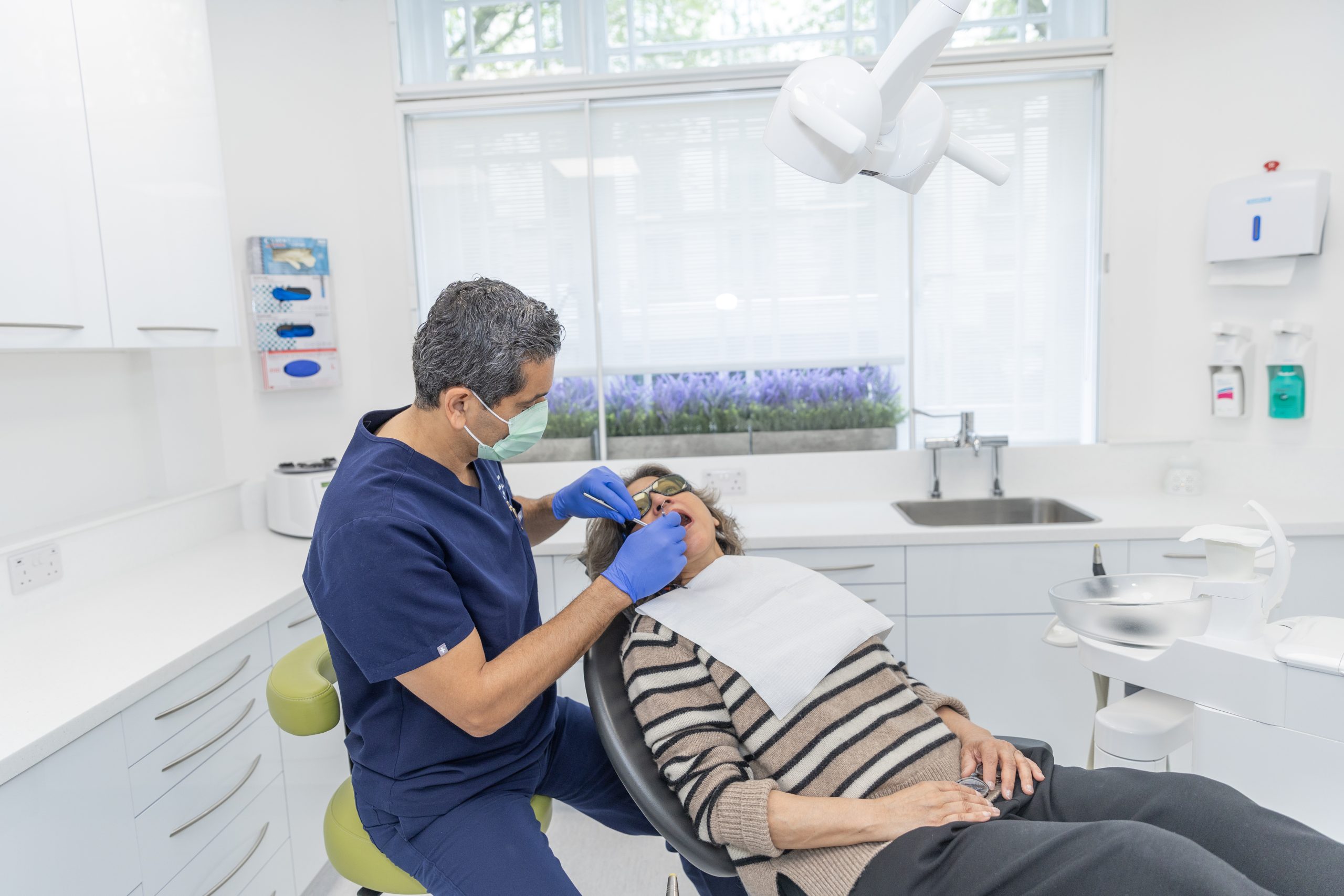
Equally, there are situations where honesty becomes just as important as optimism. Some teeth have unfortunately reached a point where the long-term prognosis is very poor. Severe bone loss. Advanced mobility. Root fractures. Recurrent infection. Situations where ongoing treatment may prolong the life of the tooth for a short period but cannot realistically provide long-term stability. In these circumstances, carefully planned replacement may ultimately provide the healthier and more predictable outcome. The important thing is making that decision thoughtfully rather than reactively.
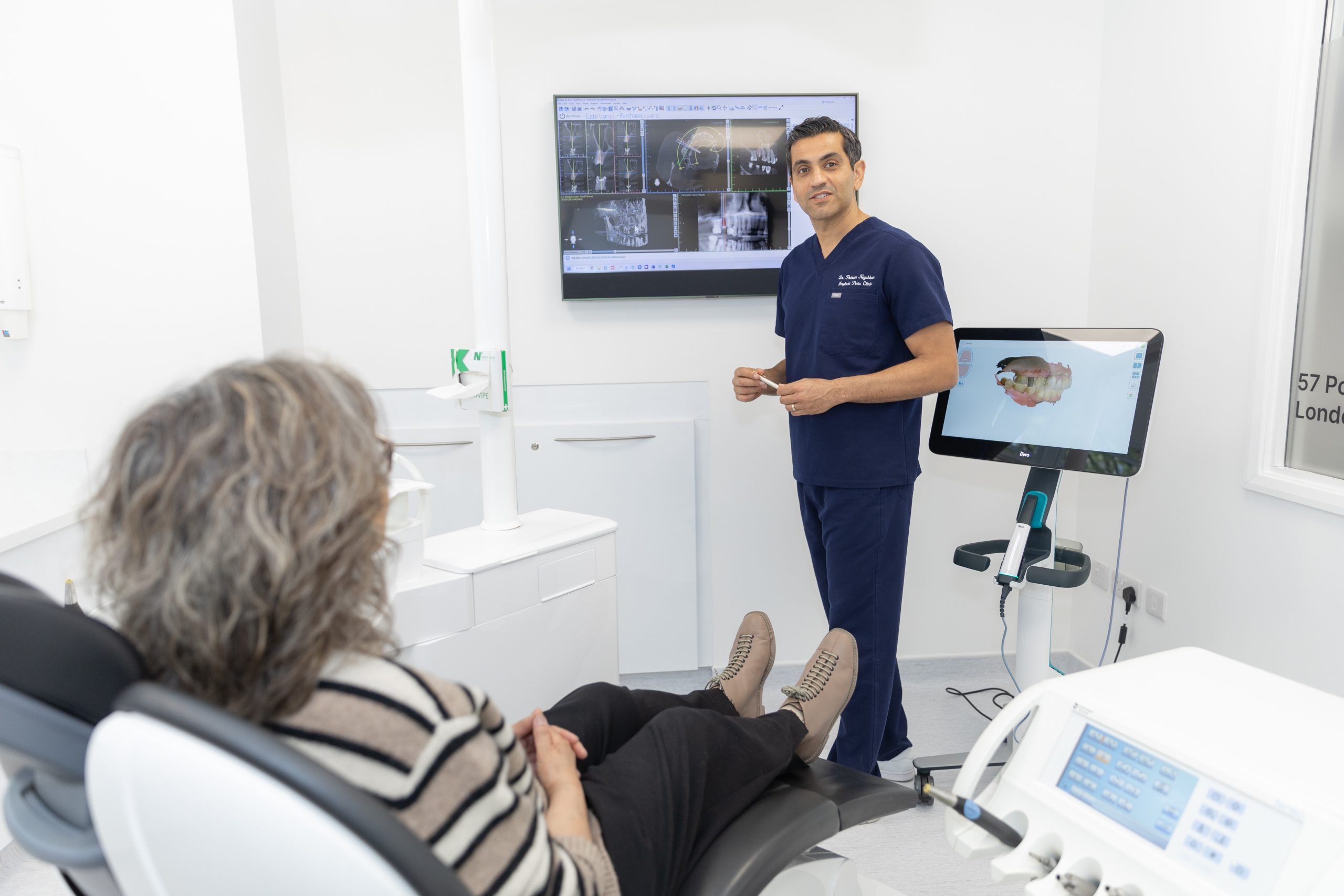
What most patients are really looking for is clarity. Can the tooth realistically be maintained? What would treatment involve? What are the long-term expectations? And what happens if nothing is done? Those questions matter far more than whether a tooth is simply loose today. Some of the most satisfying moments in dentistry are not when we replace a tooth. They are when we realise we do not have to. Because whenever a natural tooth can be preserved safely, comfortably and predictably, it remains one of the best things we can give a patient.
At Implant & Perio Clinic in Marylebone, near Harley Street, every assessment begins with careful diagnosis, discussion and long-term planning. Sometimes a tooth can be saved. Sometimes it cannot. The important thing is making that decision based on biology, evidence and long-term health rather than fear alone.
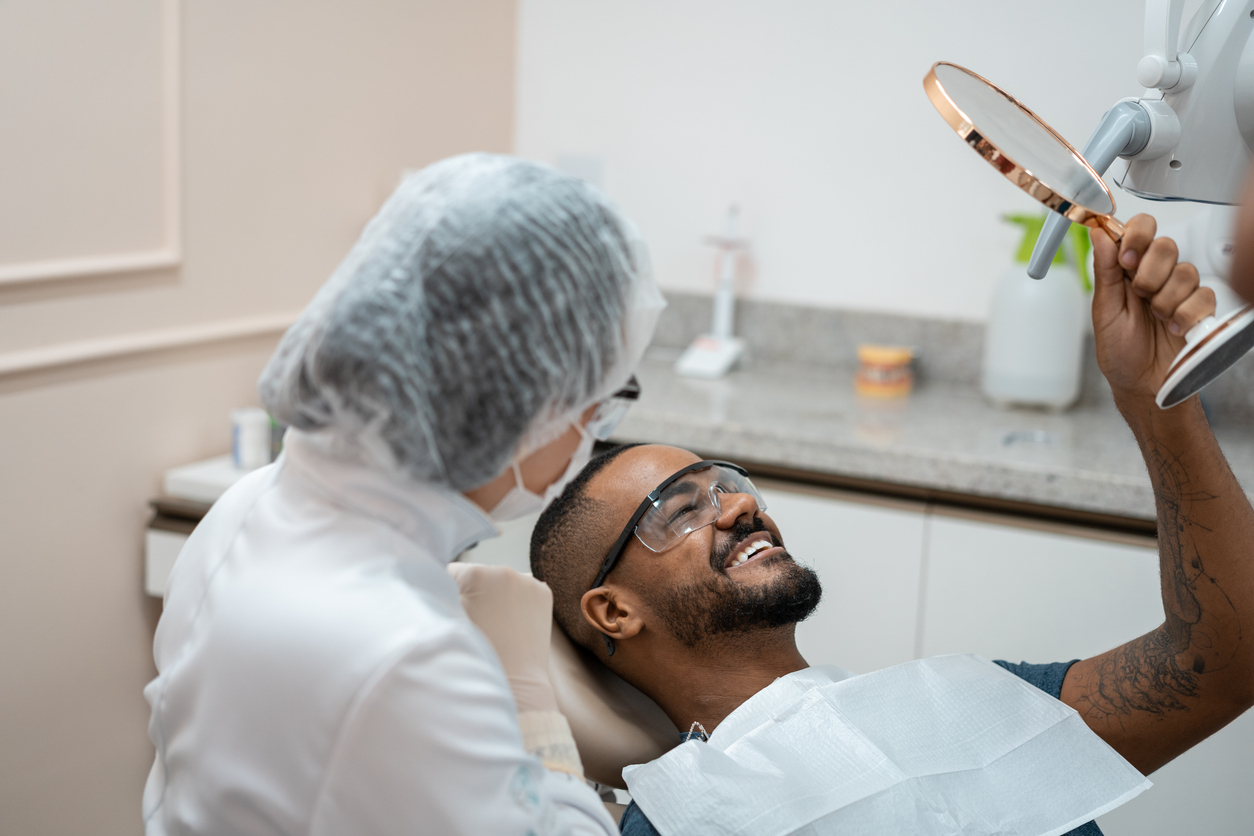
Dr Pedram Negahban DDS (Germany), DipImpDent RCS (Eng.), AssocFCGDent, is Clinical Director of Implant & Perio Clinic in Marylebone, Central London.
Although much of his work involves replacing missing teeth with dental implants, he believes that preserving healthy natural teeth whenever possible remains one of the most important principles in dentistry.
Implant & Perio Clinic is located on Portland Place, Marylebone, near Harley Street, London W1