Can Teeth Shift Again After Invisalign or Braces?
14 September 2026
One of the most common things adult patients tell me at Implant & Perio Clinic in Marylebone, near Harley Street, is:
“My teeth used to be straight.” Very often, they had braces years ago, sometimes as teenagers, and slowly start noticing changes again later in life. Usually it begins subtly. Slight lower crowding. One tooth turning a little. A retainer no longer fitting quite the same.
Patients are often disappointed when this happens because they assumed orthodontic treatment would permanently “fix” the problem forever. In reality, teeth can continue moving throughout life. Ageing, grinding, bite forces, gum health, relapse after previous orthodontics, and simply natural long-term changes within the mouth can all contribute. This is why retention after Invisalign or braces matters so much.
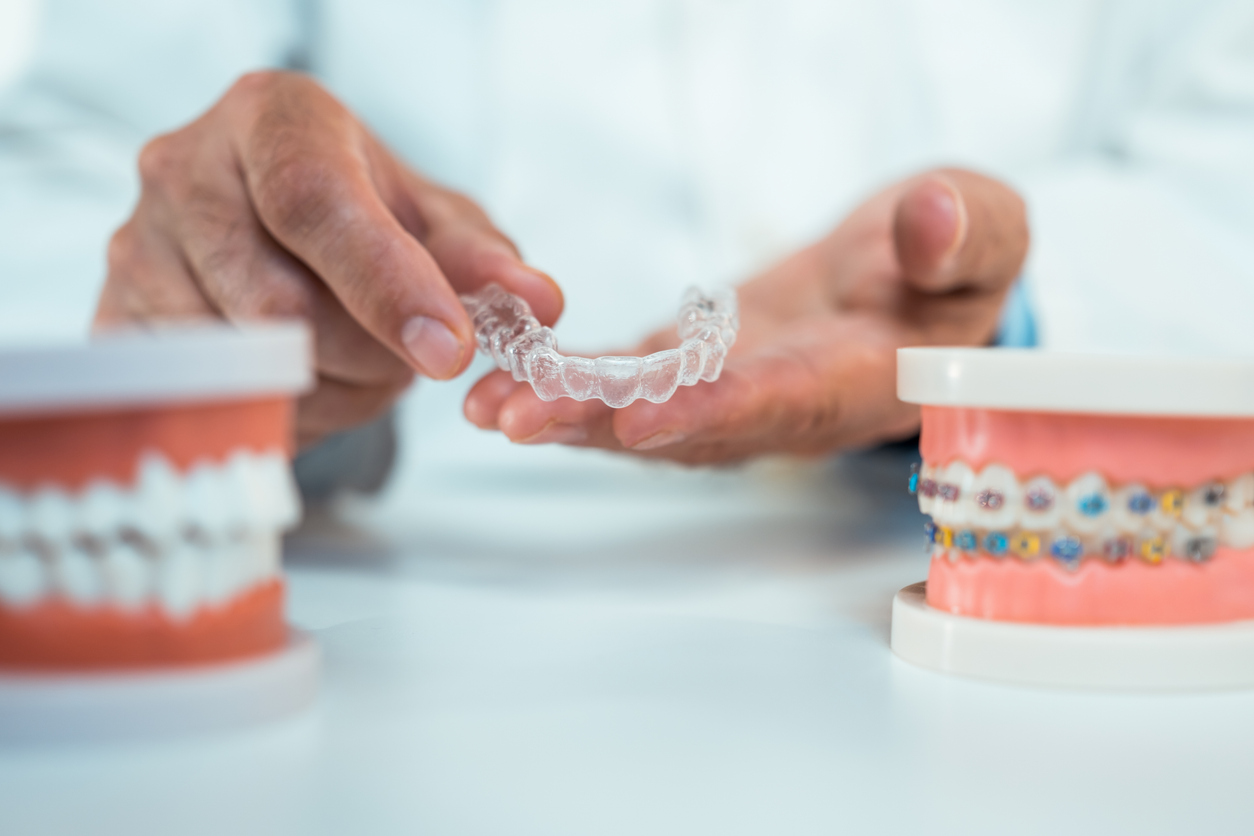
Honestly, I often feel the retention phase is not discussed enough. Most patients focus heavily on getting their teeth straight, but the real challenge is often maintaining the result long-term afterwards. With Invisalign treatment, patients usually receive a set of retainers once treatment is completed. Invisalign commonly provides three sets of Vivera retainers, which are designed to be more durable than the aligners themselves and form part of the long-term retention plan.
Initially, retainers are normally worn much more consistently before gradually moving towards nighttime wear. In practice, however, long-term nighttime retention is usually recommended indefinitely if patients want to maintain the alignment as predictably as possible. Patients are sometimes surprised when I tell them retainers are realistically lifelong. But teeth do tend to drift over time once retention stops completely, even years after orthodontic treatment. There are different approaches to retention depending on the individual patient.
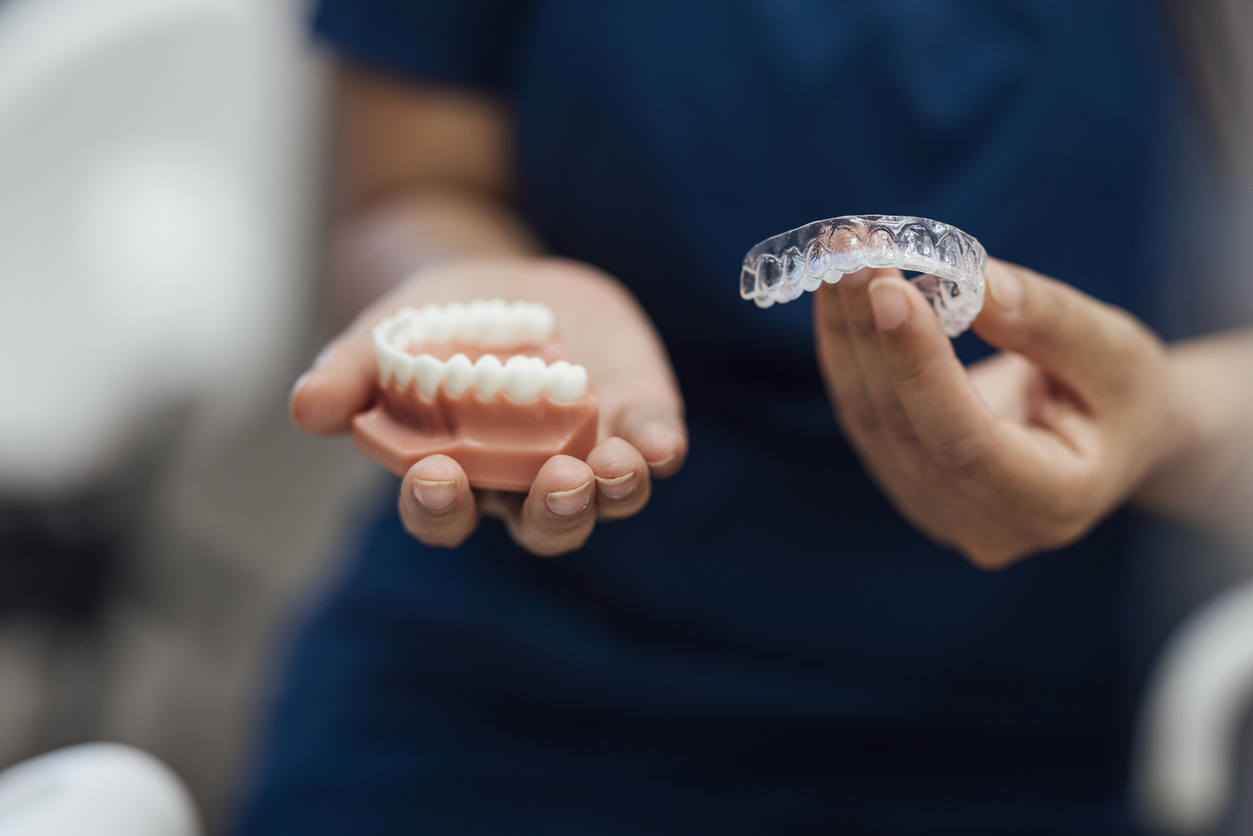
Some patients benefit from removable retainers alone. Others may also have fixed retainers bonded discreetly behind the front teeth. Quite often, combining both approaches provides the best long-term stability, particularly where there was significant crowding or relapse to begin with. Fixed retainers can work extremely well, but they still need maintenance and monitoring. Occasionally they partially detach without patients noticing immediately, allowing small amounts of movement to begin again gradually.
Retainers themselves also wear over time. How often they need replacing depends very much on the patient. Somebody grinding heavily at night may wear through retainers far more quickly than somebody wearing them more gently. In practice, many patients replace retainers somewhere around every nine to twelve months, whilst others may keep them longer depending on wear and fit.
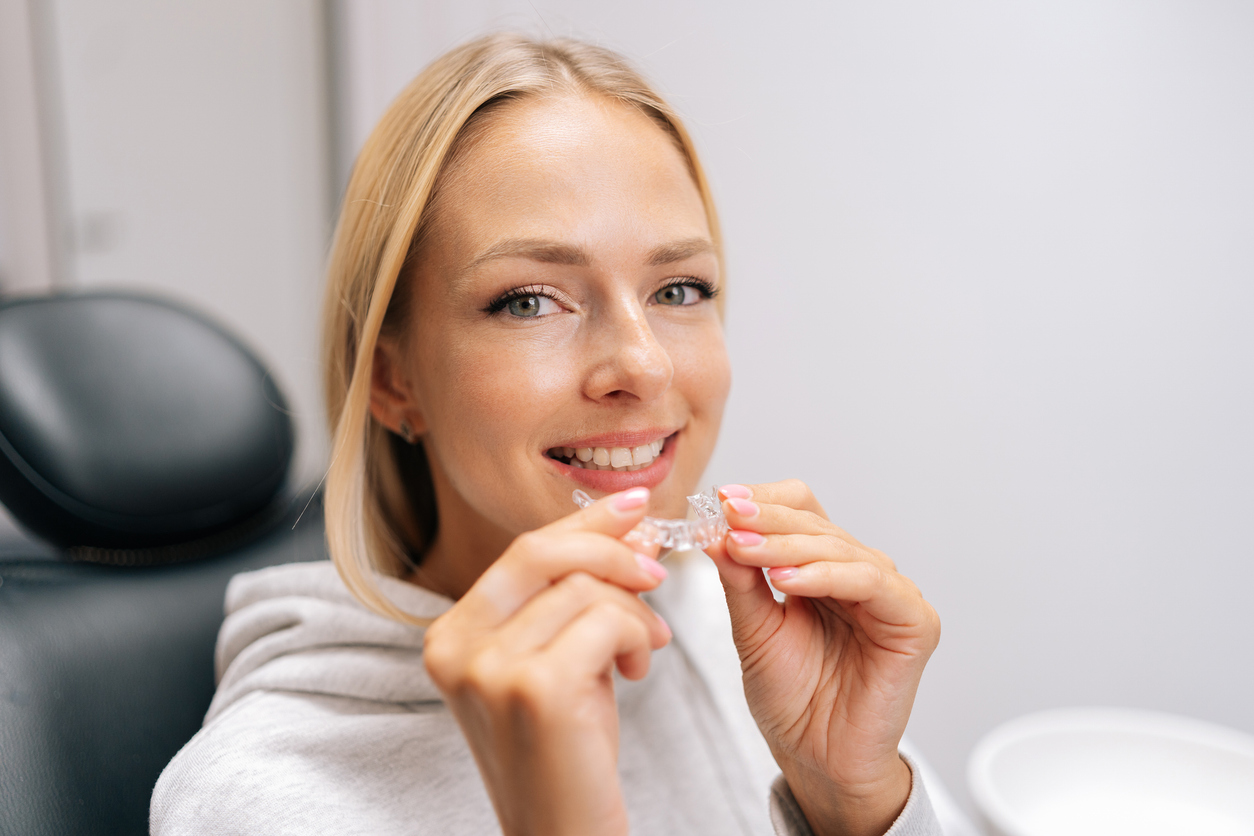
One of the things I have become increasingly aware of over the years is how many adults seeking Invisalign have actually already had orthodontic treatment before. Very often, the issue is not that the original treatment failed. Life simply happens. Retainers are forgotten during university, travelling, pregnancies, stressful periods, or simply over time. And honestly, many patients only realise how much movement has happened once they see older photographs of themselves. The reassuring thing is that small relapse can often be corrected relatively conservatively when identified early enough.
At Implant & Perio Clinic, Invisalign treatment is always planned with long-term gum health, bite stability, and retention in mind from the beginning rather than simply focusing on the short-term cosmetic result. Because ultimately, beautifully finished orthodontic treatment only remains beautiful if it can be maintained long-term in a healthy and realistic way.
Implant & Perio Clinic is located on Portland Place, Marylebone, near Harley Street, London W1