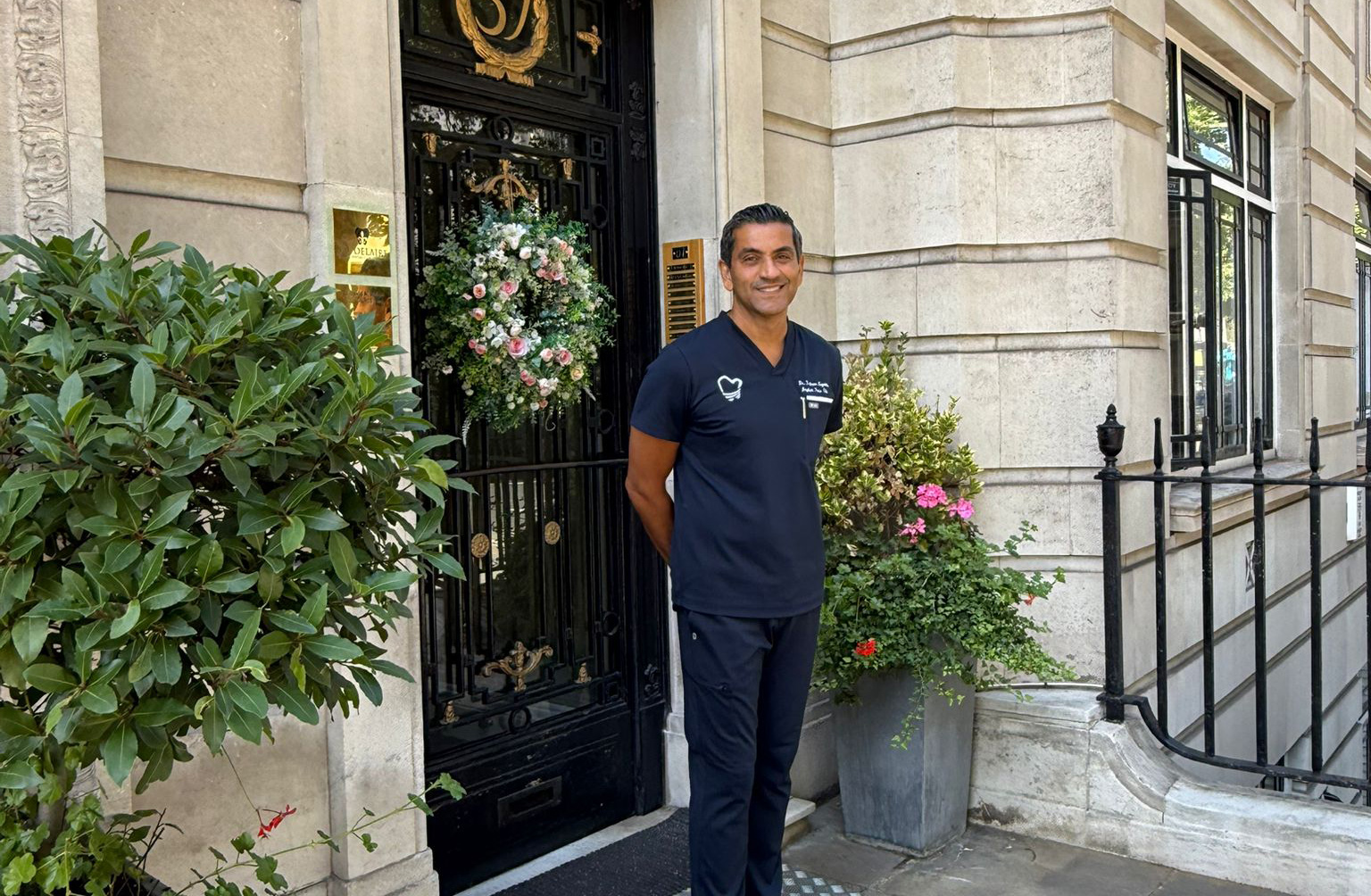
Am I Suitable for Teeth in a Day?
13 October 2026
One of the questions we are asked most frequently at Implant & Perio Clinic in Marylebone, near Harley Street, is whether a patient is suitable for “Teeth in a Day” treatment. For many people, the idea understandably sounds life-changing — arriving with failing teeth or loose dentures and leaving with fixed teeth on the same day.
In the right circumstances, same-day implant treatment can indeed be transformative. However, one of the most important things patients should understand is that not everybody is automatically suitable, and successful treatment depends heavily on careful planning rather than speed alone.
The term itself can sometimes be slightly misleading. Although patients may receive fixed temporary teeth on the day of surgery, the planning process behind successful full-mouth implant treatment is often extensive. Long before treatment begins, careful assessment is required to evaluate:
At Implant & Perio Clinic, treatment planning for full-mouth rehabilitation typically involves detailed clinical examination, digital scans, photographs, and 3D CBCT imaging before decisions are made. Very often, patients are surprised by how much thought goes into the planning stage before implants are even placed.
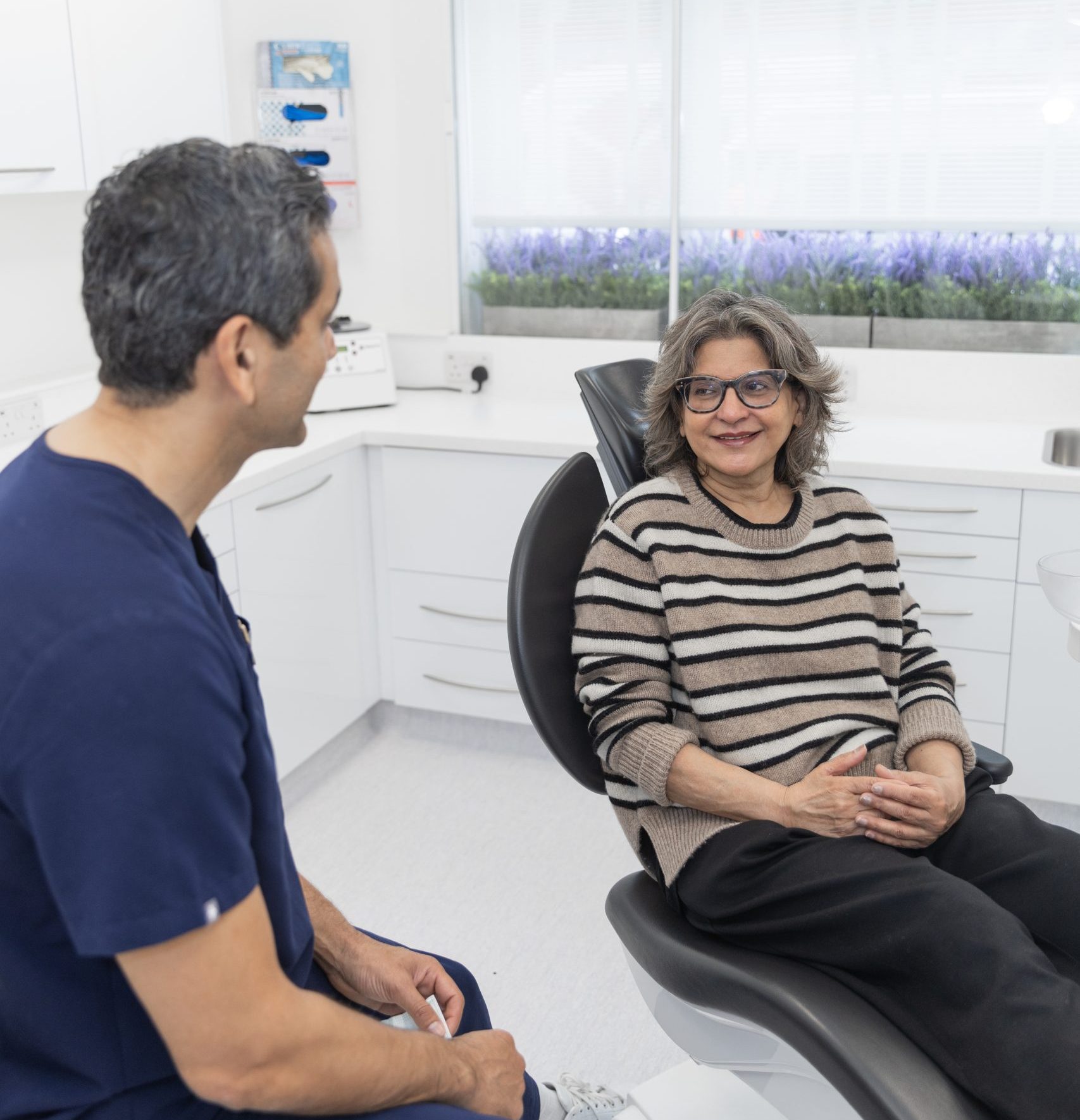
Another common misconception is that the teeth fitted on the day of surgery are the final teeth. In reality, the immediate bridge is usually a carefully designed temporary restoration worn during the healing phase while the implants integrate with the bone. This healing period is extremely important.
It allows the implants to stabilise biologically before the final restorations are designed. During this time, the bite, speech, smile line, facial support, and aesthetics can all be carefully assessed and refined further if necessary. In many ways, the temporary phase provides valuable information that helps create a more stable and natural long-term final result.
Some patients are excellent candidates for immediate implant treatment. Others may require a staged or more conservative approach. Factors such as severe bone loss, active gum disease, uncontrolled grinding, smoking, unstable medical conditions, or significant infection can all influence whether same-day loading is advisable. Equally important is the patient’s ability to maintain the treatment long-term.
Implant dentistry does not end once implants are placed. Ongoing maintenance, professional hygiene care, and regular reviews remain essential parts of long-term success. Patients are sometimes surprised to learn that the long-term maintenance phase is just as important as the surgery itself.
One of the most technically demanding aspects of full-mouth implant treatment is not necessarily placing the implants — it is managing the bite correctly over time. Patients who clench or grind heavily can place enormous pressure on implant restorations, particularly in full-arch cases. Teeth may initially look aesthetically impressive in photographs, but long-term comfort, durability, and implant stability depend heavily on careful functional planning.
This is why full-mouth rehabilitation should never be approached as purely cosmetic dentistry. The implants, the bone, the jaw joints, the muscles, the bite, and the patient’s ability to clean and maintain the restorations all need to work together harmoniously.
At Implant & Perio Clinic, many patients referred to Dr. Pedram Negahban for advanced implant treatment have often already experienced years of dental difficulties before considering full-mouth rehabilitation. For many, the emotional impact of deteriorating teeth can be significant — affecting confidence, comfort, eating, and social situations long before treatment begins.
Well-planned implant dentistry can genuinely improve quality of life enormously. However, the aim should never simply be to create an immediate cosmetic transformation. The goal is long-term stability, comfort, maintainability, and health.
The honest answer is that suitability can only be determined after a careful clinical assessment. Some patients are ideal candidates for same-day implant treatment, while others may benefit from a slower or more staged approach in order to improve long-term predictability and biological stability.
At Implant & Perio Clinic in Marylebone, close to Harley Street, treatment recommendations are always based on what is safest, healthiest, and most predictable long-term for the individual patient — not simply on achieving the fastest possible result.
Dr. Pedram Negahban
DDS (Germany)
Implant Dentist
Marylebone, London, near Harley Street
Implant & Perio Clinic is located on Portland Place, Marylebone, near Harley Street, London W1